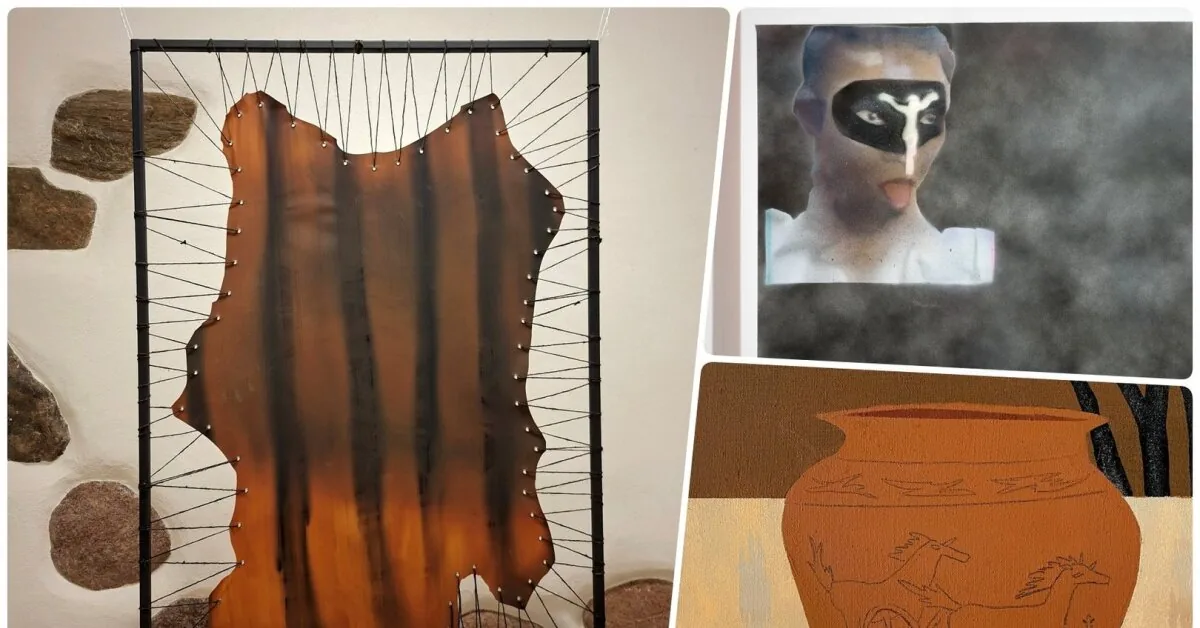
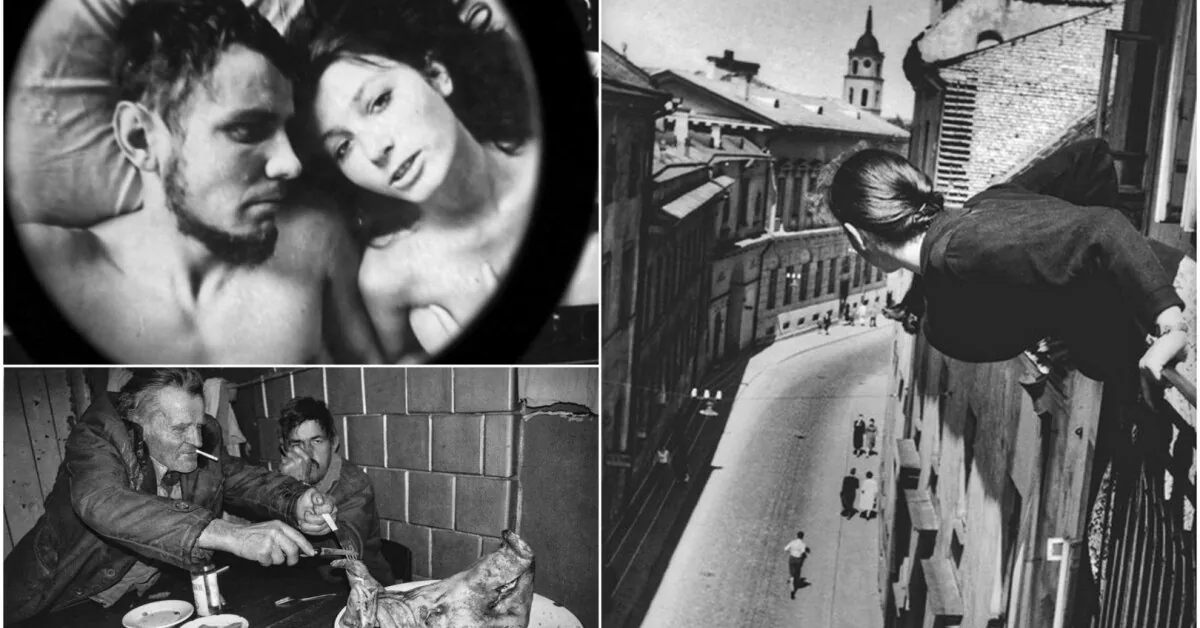
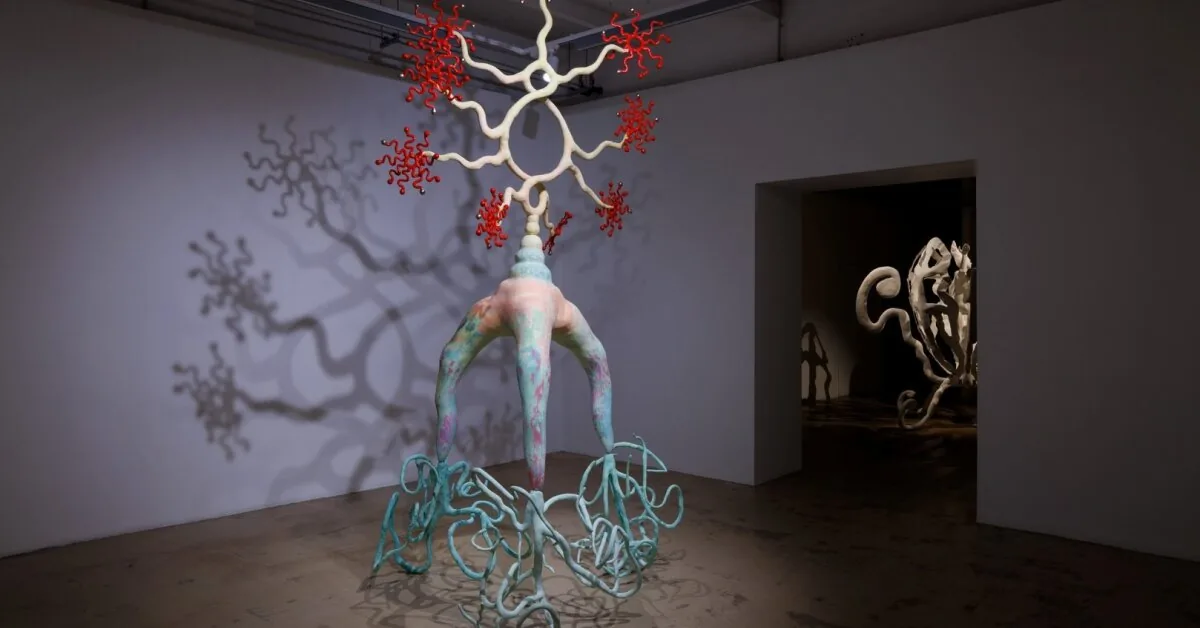
The two-part exhibition KONTRA-ORTAS invites viewers to look at the phenomenon of smuggling from different perspectives. The exhibition consists of two thematically related segments: “Smuggling Warehouses” (curator Rasa Noreikaitė-Miliūnienė) and “States of Permeability” (curator Lina Albrikienė).
Read more Teenager behaving dangerously? One mistake can only make the situation worse
KONTRA-ORTAS is a combination of the words “contraband” and “resort,” created by the exhibition’s idea author, painter Birutė Lemke. “The title deliberately juxtaposes two opposite states: the calm, rest, and safety typical of a resort, and the secret movement, risk, and border crossing typical of the world of smuggling. This paradox is especially vivid in Druskininkai – a resort located very close to the Lithuania-Belarus border,” says the idea’s author.
From “Smuggling Warehouses” to the exhibition space
Curator Rasa Noreikaitė-Miliūnienė’s segment “Smuggling Warehouses” comes to Druskininkai as a modified and expanded version of the 2021 exhibition held in the underground of the LDS St. John’s Gallery in Vilnius. The curator has explored the theme of smuggling in her practice more than once – the first exhibition “On the Way. Art Contraband” was held in 2019 during Museum Night in the old Vilnius Railway Museum’s diesel train.
The curator of “Smuggling Warehouses” states that the idea was born from the desire to “store” various types of contraband in one place: not only objects directly related to the illegal transportation of goods but also social, historical, artistic, domestic, documentary, utopian, and other meanings of the phenomenon.
“In Druskininkai, this exhibition changes its form. The 2021 underground, dark installation tied to a specific space is now moved to the bright Druskininkai cultural space ‘Lelija.’ Previously organically merged with the cellar environment, the works here seem to ‘deinstall’ – unfolding into individual art objects and their groups. The atmosphere of darkness, hiding, and storage is replaced by publicity, but the idea of ‘storage’ remains,” says Rasa Noreikaitė-Miliūnienė.
The “Smuggling Warehouses” part of the exhibition features artists: Rasa Brazauskaitė, Zita Filimonovienė, Gustas Jagminas, Jurgita Jasinskaitė, Gražina Jurgelevičiūtė, Laura Milevičiūtė-Černiauskienė, Kristijonas Miliūnas, Rasa Noreikaitė-Miliūnienė, Kristina Norvilaitė-Geniušienė, Ieva Paltanavičiūtė, Tania Serket, and Eglė Vertelkaitė.
One of the more striking works in the exhibition is Laura Milevičiūtė-Černiauskienė’s “To the Ichthyander” (2021). Created with mixed media, the work can be perceived as a kind of monument to the so-called ichthyanders – cigarette smugglers who transported cargo by water, along the Nemunas River. The artist is interested in risk, failure, and borderline situations, and the use of old wooden boxes also highlights the aspect of sustainability.
The motif of hiding and storing contraband is continued by Ieva Paltanavičiūtė’s “Boxes” (2026) – a composition of three objects made of glass, plastic, and sand. The artist explores what lies behind the encrypted content of illegally transported goods and does not aim to accuse or judge. She captures the paradox: in a free society, a person chooses to take risks for cheaper goods, and smuggling routes today stretch by water, land, and air.
“States of Permeability”: when not only objects cross the border
The second segment of the exhibition, “States of Permeability,” curated by Lina Albrikienė, offers an even broader view of smuggling – not only from the perspective of criminal law but also from culture, ethics, and political philosophy. According to the curator, history reminds us that illegal border crossing was not always perceived as a crime. During the Lithuanian press ban, book smugglers illegally transported Lithuanian press across the Prussian border, thus contributing to the preservation of language and cultural identity. During the Soviet era, banned Western music, literature, magazines, films, jeans, and other symbols associated with freedom and alternative reality crossed borders and information barriers.
“States of Permeability” raises the question: is smuggling always about the movement of forbidden objects? Or perhaps sometimes ideas, images, memories, desires, and meanings themselves cross borders?” – ponders Lina Albrikienė.
This segment features artists Barbora Matonytė, Liudvikas Kesminas, Paulius Šliaupa, Augustynas Sinkevič, Elinga Garuolytė, Lukas Dovydėnas, Lina Albrikienė, Algimantas Rokas Černiauskas, and Jūratė Kazakevičiūtė.
Paulius Šliaupa’s video installation “Balloons forget the sky” aptly reflects today’s issues. Using artificial intelligence, personal archives, and photographs found online, the artist explores the boundary between reality and fiction. The balloons here also become a sign of hybrid war: disrupting normal movement, they turn the sky into a space of political tension and waiting. However, fallen balloons lose their mystery and become banal trash in the landscape. The work raises the question of how the meaning of an object changes as it transitions from one state to another.
According to the organizers, this theme is especially close to Druskininkai. Balloons with smuggled cargo arrive in Lithuania from Belarus, and their flights have already affected air traffic. The border region must directly face other forms of illegal movement. What once seemed a distant topic of criminal chronicles today becomes part of everyday border reality. In “States of Permeability,” this boundary is understood not only geographically. It can exist between the body and the environment, between material and object, between reality and fiction, between what is allowed and what is forbidden. The exhibition asks what happens when the boundary becomes permeable and what first penetrates through it.
Contraband as an art object
Both parts of KONTRA-ORTAS differ in their approach but focus on one essential question: what happens when the phenomenon is “extracted” from criminal chronicles and turned into an object of artistic inquiry?
The exhibition does not seek to provide a single answer to what contraband is. On the contrary, it expands this concept. From cigarettes transported along the Nemunas or by meteorological balloons to books, music, and ideas for which borders were once closed. From real objects and documentary evidence to subconscious images that, as one of the exhibition’s authors Kristijonas Miliūnas states, can “illegally” cross the mind’s guarded border. In this context, contraband becomes not only the movement of objects but a metaphor for boundaries and permeability.
The group contemporary art exhibition KONTRA-ORTAS will be held at the Druskininkai cultural space “Lelija” from September 4 to 29. Admission to the exhibition is free. Address: Kudirkos St. 39, Druskininkai.
Read more Autonomous cars are entering Europe: it has been revealed when they will start carrying passengers