The proportion of respondents reporting such symptoms increased from 42% in February to 49%. The share of respondents mentioning hard-to-control anxiety rose from 27% to 33%, while those reporting strong symptoms of both anxiety and depression increased from 31% to 36%.
Researchers mainly link these worsening indicators to pessimism about the economy and fading hopes that Russia’s war against Ukraine will end soon.
Among the groups with the worst psychological condition were people aged 25–34 and those with low incomes.
The survey also showed that anxiety about finances remains high: at the beginning of July, 56% of Russians said they were worried about their financial situation.
The report also revealed a sharp decline among Russians in the feeling that they control their own lives.
Read more EQT-related companies allowed to acquire a stake in Vinted Pay
In July, only 38% of respondents said that what happens to them mostly depends on their own actions, although in April 2022 the corresponding share was 67%.
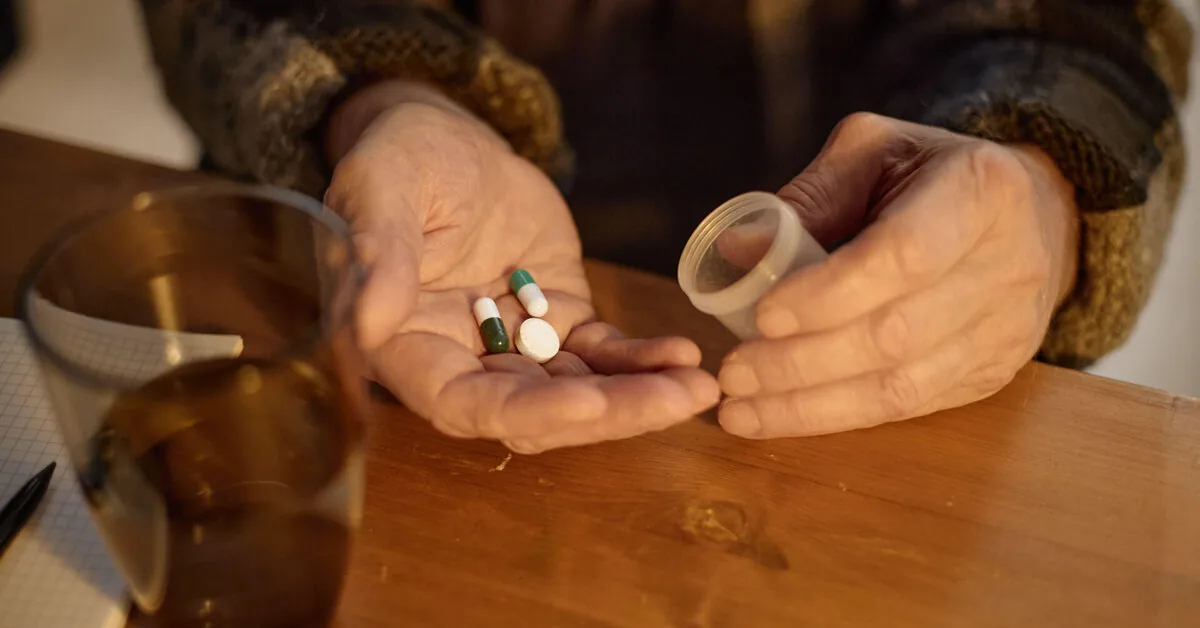
According to pharmaceutical market data cited by the independent publication The Moscow Times, demand for antidepressants in Russia continues to grow, with record sales of these drugs recorded for the third consecutive year, and in 2025, 41% more packages were sold than in 2022.
Researchers note that long-term anxiety and a weakening sense of control may also exacerbate Russia’s demographic problems, as more young people may postpone having children.
Read more Will you answer 10 general knowledge questions about European history?