An important stage of this transformation will be the international urban vision competition planned to be announced at the end of this year, organized by the Vilnius Development Company, a public interest object development and management company of the capital.
Read more Two «Samsung» and one «Huawei» flew over the fence in Marijampolė
The area near Panerių Street is not fully integrated into the city’s urban structure today. Railway infrastructure limits connections between the rapidly growing and intensively transforming Naujamiesčio, Naujininkai districts, and the central part of the city. The dominant railway, industrial, and storage functions in the area limit its interaction with the surrounding districts.
The transformation will open the area to the city, improve the urban structure of southern Naujamiesčio, create new connections, public and green spaces, and address today’s fragmentation and connectivity issues.
“This area is one of the strategically most important directions for Vilnius development. We aim to create a vibrant, attractive district for people in a currently underutilized part of the city, which will strengthen the city’s competitiveness, create new opportunities for business, innovation, and communities. The international competition will attract the best urban ideas and find the most ambitious and highest quality vision for the area’s development,” says Vilnius Mayor Valdas Benkunskas.
New part of the city – a growing innovation district and multifunctional center
The southern part of Naujamiesčio has already become one of the most dynamic transformation areas in Vilnius. Successful Lithuanian technology businesses and unicorns located here attract international talents, while creative industries, cultural initiatives, and new forms of city life gather nearby.
“The potential of this area is much greater than just the conversion of former railway and industrial territories. A strong ecosystem of technology, creative industries, and innovation is naturally forming in southern Naujamiesčio, so our task is to use urban tools to create conditions for its growth and simultaneously develop a fully-fledged part of the city. This should not become a closed business or office district. The diversity of city life must appear here – workplaces, housing, services, culture, public and green spaces, and most importantly – new connections with Naujamiesčio, Naujininkai, the station, and the rest of the city. We have a unique opportunity to turn the infrastructure that currently divides the city into a connecting territory,” says Vilnius Chief Architect Laura Kairienė.
The area should bring together business, science, technology, culture, and creative industries, and conditions for new partnerships and ideas should arise between different fields, organizations, and people. These spaces should serve not only the community operating here but also all Vilnius residents and city visitors.
Strategic location and local identity
The central location, railway station, and connection to the airport create conditions for the area to become an important part of the city’s, country’s, and even international infrastructure and one of the new gates of Vilnius city.
Read more CV rejected again: experts advise how to finally get the dream job
“By implementing railway modernization projects, we are creating more efficient infrastructure and simultaneously opening new opportunities for urban development. In areas where our activities will be needed less in the future, we aim to create conditions for changes that will create value not only for railways but also for the city. We understand the importance of this area for Vilnius, so together with the municipality, we are looking for the best solutions on how to integrate it into city life, create spaces for people, business, and innovation. This is an opportunity to turn an area long dedicated to technical functions into a significant part of the capital’s growth and development,” says Arūnas Rumskas, Acting CEO of the LTG group.
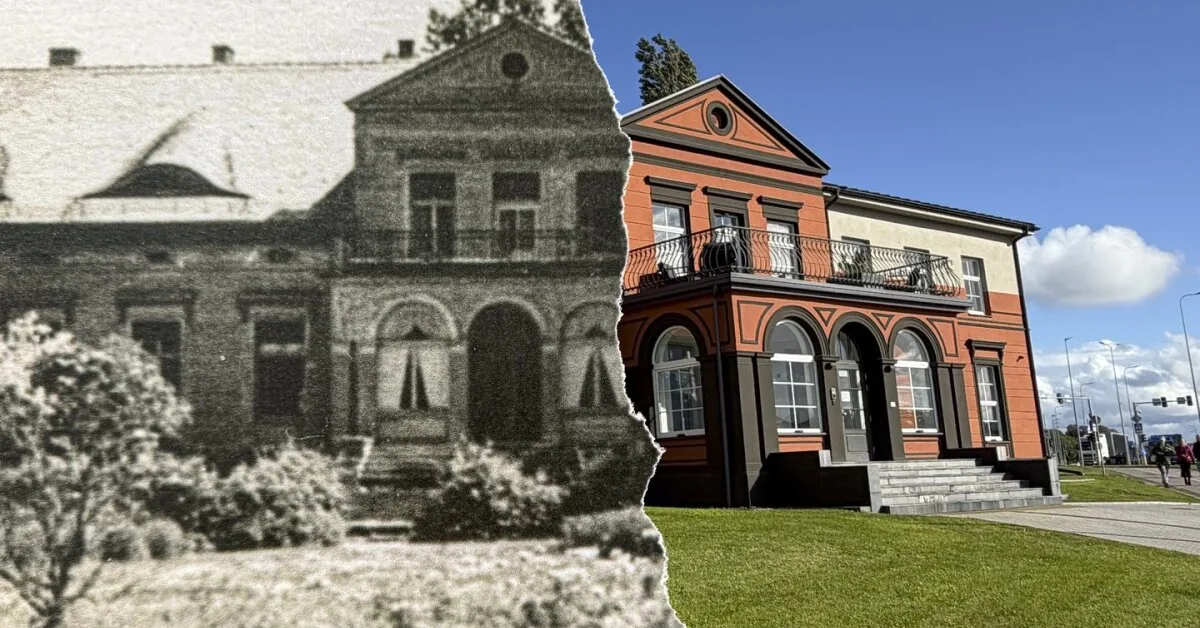
The transformation of the area should also give meaning to its history. Valuable historic railway and industrial buildings could be adapted for new functions and integrated into the modern urban structure, and the local history would become part of the new district’s identity.
International competition – a coherent vision for the area
As early as 2022, the Vilnius city municipality and LTG agreed to cooperate in transforming railway areas and gradually relocating activities from the city center, and in 2024, the preparation of a detailed plan was initiated. Now the goal is to form a coherent urban vision that will serve as a basis for further planning decisions.
An international urban vision competition for the transformation of approximately 55 ha of territory between Panerių Street and the railway is planned to be announced at the end of 2026.
Participants in the competition will be tasked with proposing the area’s urban structure, public spaces and greenery system, mobility solutions, and principles for integration into surrounding city parts. One of the most important tasks is to overcome the barriers created by the railway, create new physical, functional, and social connections, integrate cultural heritage, and ensure flexibility in the area’s development.
A transformation of this scale requires a complex and interdisciplinary solution covering urban planning, architecture, landscape, mobility, cultural heritage, and social and economic aspects. It is expected that the competition results will help form a clear direction for the area’s transformation and become the basis for one of the most important urban projects of the capital in the coming decades.
Read more Putin forces Armenia to choose: dispute flares up with Pashinyan