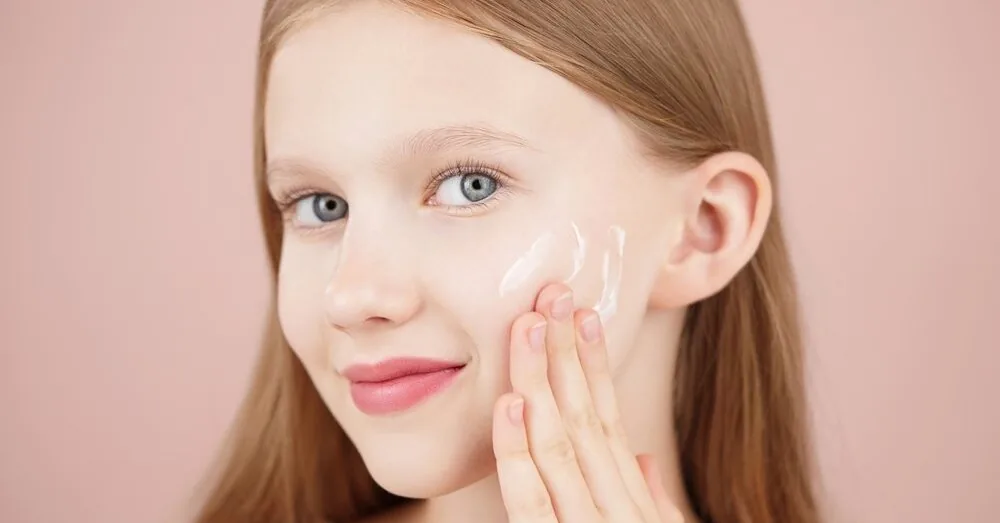
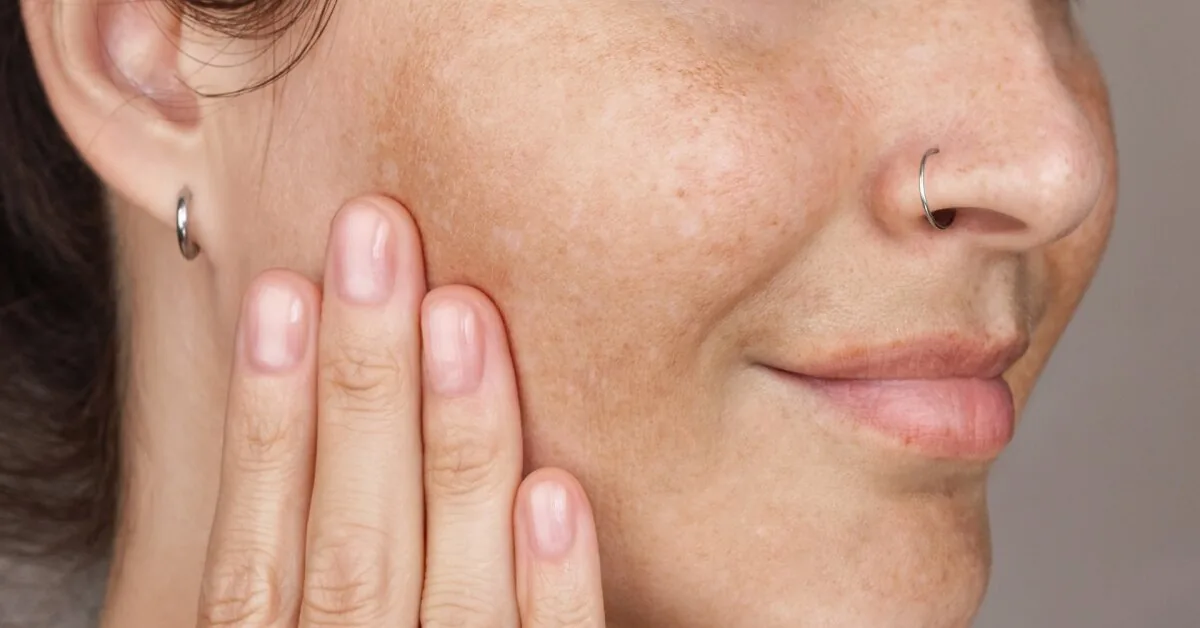
However, dermatologist Iveta Gylienė warns in the “Eurovaistinė” press release: although retinol can be beneficial for addressing various skin problems, rushing often does more harm than good. A too strong product, too frequent use, or combining several active ingredients at once can result not in more beautiful skin, but redness, flaking, and irritation, the press release states.
Read more EK leader promises full solidarity with Germany over Russia’s hybrid attack
Who benefits from retinol and when to expect results?
Retinol is a derivative of vitamin A that converts into active retinoic acid in the skin and affects various cellular processes. According to I. Gylienė, it stimulates epidermal renewal, can help correct pronounced pigmentation, or be useful for skin rejuvenation – i.e., an “anti-aging” effect.
“This is especially relevant for mature skin, where signs of sun damage or photoaging appear – fine wrinkles, uneven skin texture, roughness, pigmentation, more visible pores. However, today we aim not only to correct consequences but also to act preventively, so it is reasonable to include retinol in the routine around the age of 30–40,” says the dermatologist.
Although retinol can help manage various skin challenges, the specialist emphasizes that quick effects should not be expected. More noticeable changes in texture, pigmentation, or fine wrinkles usually require at least 12 weeks and longer consistent use. The effect of retinol is cumulative, so it is a long-term care product, not an “overnight result” solution.
There is also an important caveat: retinoids are not recommended during pregnancy, so the routine should be discussed with a doctor at that time. During breastfeeding, according to the specialist, this active ingredient can be used.
The biggest mistakes when starting to use retinol
The most common mistake, according to the specialist, is the expectation that applying a retinol product more often and in larger amounts will yield better results. In practice, she encounters cases where retinol is started at the strongest concentrations and applied every evening immediately. Such people eventually consult a dermatologist due to side effects of retinol use: skin redness, tightness, burning sensation, and flaking.
“Retinol is always recommended to start with lower concentrations (0.1%) and less frequent use, gradually increasing the frequency. Beginners often only need to apply it every third evening, and if well tolerated after 2–3 weeks – every other evening. With good tolerance and need, we can eventually start using retinol daily,” advises I. Gylienė.
Also, do not overdo the amount: usually, about a pea-sized amount of product is enough for the entire face.
Another common mistake is for beginners to start using several active ingredients at once: retinol, glycolic or salicylic acid, strong exfoliants, etc. Here, according to the dermatologist, an important nuance: there is no rule that these substances are chemically incompatible with retinoids. However, several more aggressive ingredients for the skin barrier at once significantly increase the risk of irritation in beginner skin.
“It is also a mistake to expect that strong redness and burning mean the product is working. Retinol-induced dermatitis is not the treatment goal. Slight dryness at the beginning of adaptation is possible and normal, but significant discomfort indicates that the usage intensity is too high for the skin,” says I. Gylienė.

Why autumn is a convenient time to start
It is often said that autumn is a good time to start using retinol products. Autumn is indeed convenient for starting, but not mandatory, notes I. Gylienė. With reduced UV radiation and less direct sun exposure, the skin can more easily pass the first adaptation phase, when it may be drier or more sensitive.
“There is a myth that retinol use should be stopped in summer – this is not true, only more careful sun protection is necessary during the warm season. Retinol can be used year-round, and more important than the season is to start gradually, not overload the routine with irritants, and never forget SPF daily,” explains the specialist.
Pharmacist Toma Gečienė emphasizes that to maintain good skin condition, sun protection products should be used every day – even on cloudy days.
“This rule is even more relevant when using retinol products – daily sun protection is essential then. The reason is simple – retinol accelerates skin cell renewal, making the skin especially sensitive to UV rays. Without SPF products, the skin can burn, develop pigmentation spots, and photoaging accelerates,” warns the pharmacist.
How to choose the first product
When deciding to include retinol in the routine, T. Gečienė first advises choosing a product with a low concentration and light consistency. Additional moisturizing ingredients are valuable.
“It is worth choosing products that contain ingredients like ceramides or hyaluronic acid alongside retinol – they help prevent skin dryness and irritation,” she explains.
She advises using the product in the evenings, initially 1–2 times a week, and applying only on dry skin. Retinol can absorb more intensively on damp skin, increasing the risk of irritation.
“Do not be surprised if you notice slight redness or flaking at first – this is a normal skin reaction. If the skin is very sensitive, the ‘sandwich’ method can be used. First, apply a thin layer of moisturizing cream, then the retinol product, and ‘lock’ it again with cream. This method can soften the effect of retinol and possible skin irritation,” advises the pharmacist.
Read more Rafael Nadal Tennis Academy tournament — Butvilas’ victory and opponent’s injury