Lithuania maintains the fastest growth rate in the region
“Lithuania’s economy grew by 2.8% in the first quarter of 2026 compared to the same period last year, and growth accelerated to 3.8% in the second quarter – the fastest pace since Q4 2024. The country’s economy has been growing for thirteen consecutive quarters, with an average growth of about 3% over the past two years,” said A. Izgorodinas.
Read more Not speed and not the lowest installment: what is most important to Lithuanians when choosing a loan
The economic sentiment indicator – a measure of business and consumer expectations based on surveys – rose to 103.3 points in July, the highest value in the past six months and clearly above the long-term average of about 97 points. Sentiment is improved by the services sector and consumers, industrial indicators remain stable, and construction sector sentiment is well above the historical norm.

Industrial production (excluding oil products) reached a record level in June – the six-month trend shows a 5.3% annual growth, the fastest in the past year. At the same time, records were set in the food and tobacco, plastics, ferrous and non-ferrous metal products, electronics, and machinery repair sectors, while textiles, leather goods, and pharmaceuticals performed the weakest.
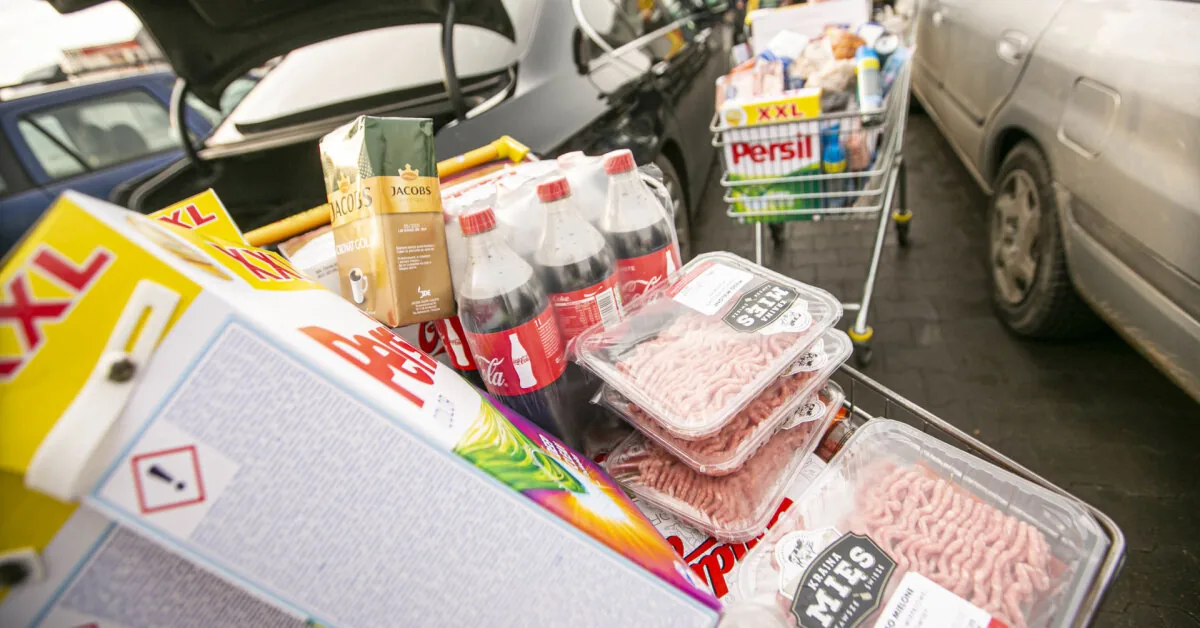
Retail trade (excluding cars) reached a record in June – a 6.6% annual growth, the strongest indicator among the Baltic countries. This is mainly driven by rising real household incomes, but the second-pillar pension reform also contributed to consumption growth, as part of the additional household funds were allocated to purchases.
Lithuania records the highest inflation in the region – it rose from 2.8% in January to 5.6% in July, reaching the highest level since August 2023 and has not yet started to decline. Energy prices in July were 23.7% higher than a year ago, and service inflation, driven by wage growth, reached 6.9%.
Latvia’s economic recovery is becoming broader
“Latvia’s GDP grew by 2.5% in the first quarter of 2026 compared to the same period last year. This pace was close to the 2.6% growth recorded in the previous quarter, which was the fastest since mid-2022. After an economic downturn for most of 2023 and early 2024, Latvia’s economy has been growing for seven consecutive quarters,” said A. Izgorodinas.
The economic sentiment indicator jumped to 100.3 points in July from 96.5 points in June – the highest value in four months, again exceeding the symbolic 100-point threshold. Sentiment improved in industry, services, retail trade, and consumers, while construction sector sentiment cooled after very good results.
Industrial production reached a record level in June – the six-month trend shows a 4.0% annual growth, the fastest since data collection began. The fastest growth was in the chemical industry (20%) and metal products manufacturing (19%).
Read more An extraordinary test for soldiers in the Baltic Sea: learning to survive after an emergency landing
Retail trade (excluding fuel) volume reached a record level in June and was 4.3% higher than a year ago. With wages growing by about 6.5% and inflation at 2.5%, the real purchasing power of Latvian households is increasing.
Overall inflation slowed to 2.5% in July after peaking at 3.5% in May. Core inflation, excluding rapidly changing food and energy prices, remains quite high at 3.6%. It is mainly driven by service inflation, which ranges from 5.3% to 5.4%, itself fueled by wage growth of more than 6%.
Estonia’s economy is recovering
“Estonia’s GDP grew by 2.4% in the first quarter of 2026 compared to the same period last year – the fastest pace since early 2022. In the second quarter of this year, economic growth slowed slightly to 2.1%. The recovery began after a three-year period when the economy shrank or stagnated from mid-2022 to Q1 2025. This was one of the longest economic downturns in the European Union,” noted the economist from Citadele bank.
Industry remains the weakest sector of Estonia’s economy. In June, production volume fell to the lowest level in one and a half years and was about 2% lower than a year ago. Weak results were recorded in food, textiles, paper and furniture manufacturing, and machinery repair. However, in Finland, Estonia’s main export market, economic activity is sharply increasing. This may help Estonia’s industry stabilize and start recovering in the second half of the year.
The total retail trade volume, including fuel, reached the highest level in three years and three months in June. It was about 3.5% higher than a year ago. With inflation falling to 2.0% and wages growing by almost 6%, Estonian residents’ real incomes continue to increase.
Overall annual inflation fell from 3.8% in January to just 2.0% in June and remained the same in July. Core inflation fell to 0.9% in June, the lowest since early 2021. Falling prices of furniture and household appliances indicate that the energy price surge has not yet passed on to other major goods prices.
Read more Inflation accelerated in Japan in July