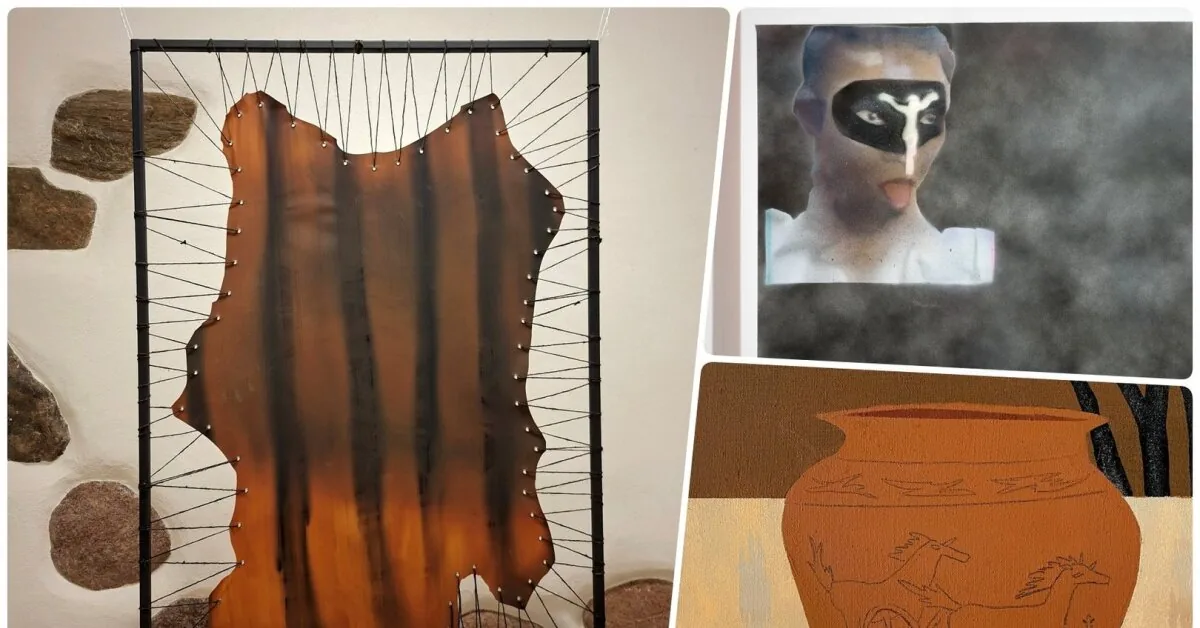
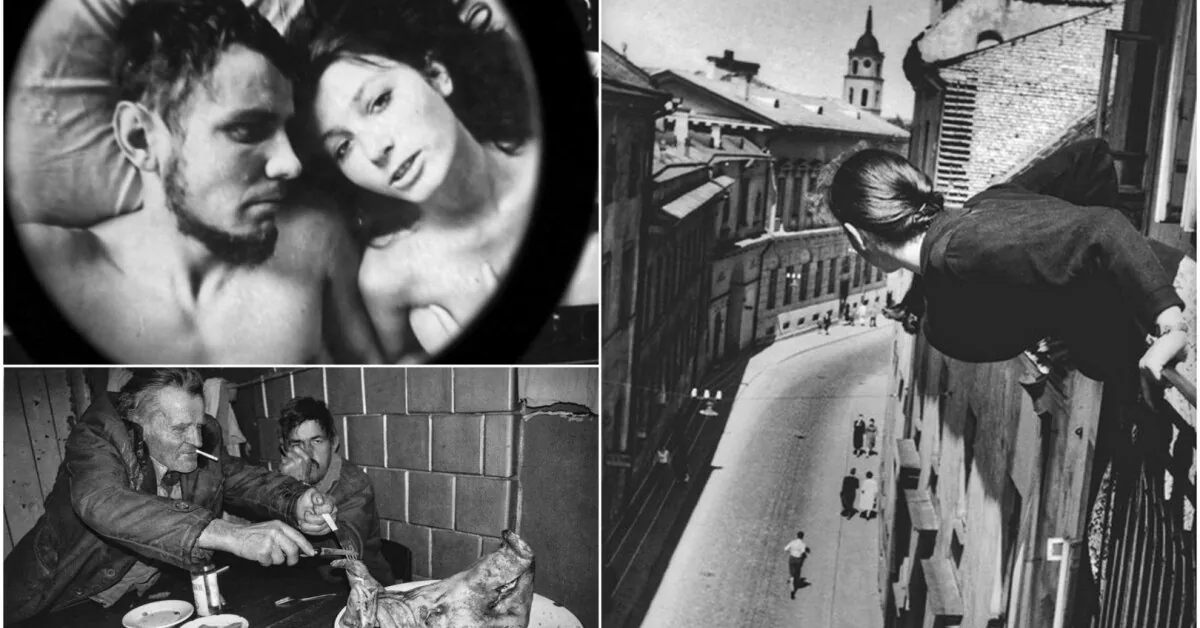
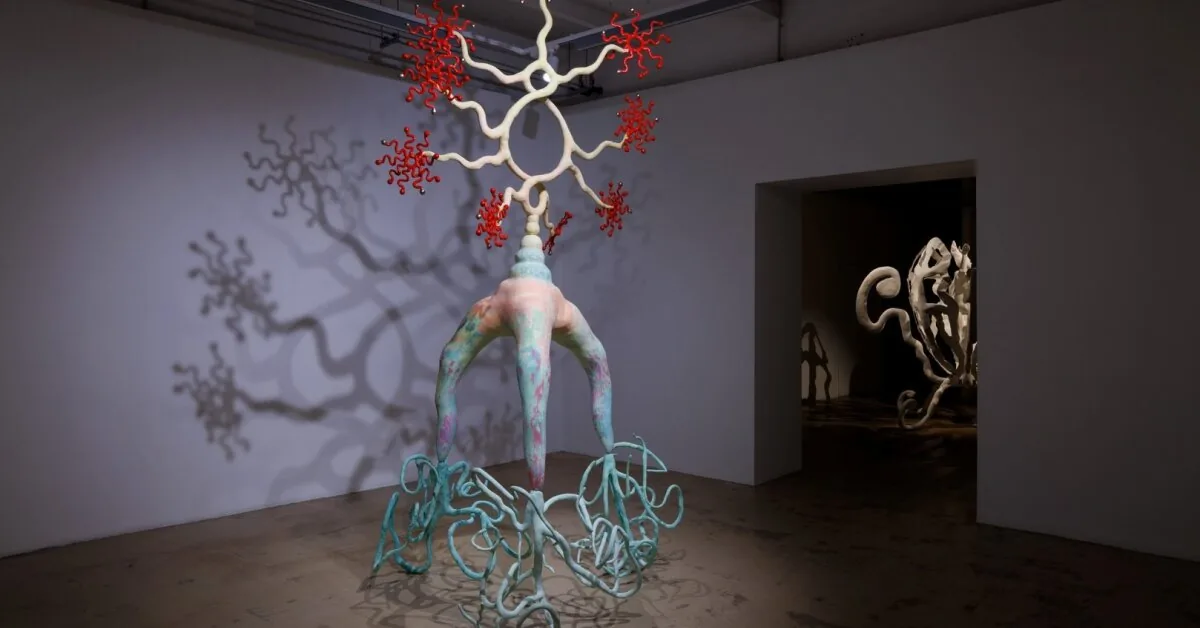
Inspired by the sharp comedy genre, where performers creatively roast each other, this tour ignites both contemporary art and stereotypes about different generations with humor.
Read more Secret US actions in the Strait of Hormuz: A special night operation in Iran’s backyard
Fluxus-inspired comedy
For Ž.Kerbelis, art has always been close – when traveling abroad, he always visits local art museums and is a regular visitor of MO exhibitions. He also considers stand up comedy an art form, and finds it most interesting to listen to other comedians who are more widely read and interested in culture.

Ž.Kerbelis was significantly influenced by his interest in the Fluxus artists’ movement that emerged in the 1970s. From Fluxus, the comedian tries to adopt the attempt to deconstruct and break his genre – he notices that this is exactly how these artists rebelled against art itself.
“I try to rebel against comedy by being in it. When some comedians refuse certain things because they are supposedly bad, like snorting into the microphone, making long pauses, or going on stage in shorts – I do these deliberately to make people laugh through discomfort,” says Ž.Kerbelis.
Avoiding pop humor
Discomfort is one of the keywords describing the roasts of the exhibition “Gen Z. Everything at once.” Although Ž.Kerbelis is well acquainted with this comedy genre, he notes that transferring it into a museum space is not easy.
“Artworks don’t give feedback, so they are more challenging roast targets. There is a challenge not to slip into pop comedy – it’s very easy to joke that contemporary art is unclear and meaningless. It’s important for me to prepare, to be interested in the exhibition and artworks. People come expecting that I will sting someone here… But maybe I don’t want to do that at all, maybe I really like that piece,” the comedian smiles.
According to him, the best styles or genres in any field are born by combining different things – this often opens a completely new niche and forms a direction: “When metal and hip-hop first met in music, everyone was very interested to listen. I think that combining comedy with art also gives birth to something different, not just what we are used to calling stand up.”
Read more Chairmen of the Baltic States’ Parliaments pledged to continue support for Ukraine
Viewers familiar with Ž.Kerbelis’s humor know that an inseparable part of his performances is various props that add an extra layer of absurdity. “The essence of my comedy is absurdity, exaggeration, nonsense, and an object appearing in the show deepens that feeling for the audience. I already talk about absurdity, and here it also becomes visualized, causing amazement: did he sit and make this thing just to show it to us? It also helps during roasts,” shares the comedian.
Between absurdity and biochemistry
Ž.Kerbelis came to comedy from a field that has little to do with humor or creativity – biochemistry. From strictly regulated daily processes, where every step is confirmed by two signatures, he says he brought order and structure to comedy, which he uses when writing his show program. “But you can’t bring comedy into biochemistry – maybe that’s why I left the job,” he laughs.

Now, among the comedian’s biggest inspirations are not only visual art or strict scientific order – one of the most important places in seeking new ideas is occupied by music and literature. Walking and listening to music, he comes up with many ideas, and one strongly captivating song can become the soundtrack for writing the entire program.
“Most often it’s the Swedish rapper Yung Lean – his early work was absurd, yet very melodic, he created a completely new music style. You can dive into such music, start thinking, and just fly away. Similarly with literature – for example, Japanese writer Haruki Murakami writes in a way that you can’t tell where reality ends and absurd dreams begin. That’s how I try to convey the element of surprise in comedy,” says Ž.Kerbelis.
Generational differences – also in comedy
The theme of the MO exhibition is the young generation’s creators’ view of the world – at first glance, it seems prone to stereotypes: Generation Z, often simply called Gen Z, often receives generalized descriptions or is even mocked for them. Although stereotypes have an important place in roast culture, Ž.Kerbelis says he doesn’t want to stay only on this surface.
Which generation of comedians does he belong to? The biggest influence on Ž.Kerbelis’s desire to be on the comedy stage was the legendary “Humor Club” formed in 2009, which brought a new, Western humor culture to Lithuania. The comedian calls himself a representative of the fourth generation of contemporary humor and says that today more and more young comedians enter this field driven not by the desire to create, but by the pursuit of wealth.
“Each generation of comedians brings a different direction, which does some things similarly to the previous one, and reinvents others in its own way. I came after a series of interesting characters like Vanilla Killa B or Henry Match, we have similarities, but my comedy is still different.
I don’t know what wave is current now, but I feel that many come to comedy hoping for money. It’s very noticeable – they choose the same premises that others used back in the 2000s and adapt them to the present, creating nothing new. These are people who want to take money but don’t want to give anything new to comedy. But I’m happy about other young comedians, whose ideas make me think I’d like to come up with something that good myself,” says Ž.Kerbelis.
The “Gen Z. Everything at once” exhibition roasts with Žilvinas Kerbelis at the MO Museum will take place on August 24 and 28. They are part of a week-long closing program, which includes regular tours, specially created formats for this exhibition, and visual procrastination workshops with designer Rasa Jančiauskaitė.
Read more US ambassador called Kashmir part of India, Pakistan condemned it
The “Gen Z. Everything at once” exhibition at the MO Museum runs until August 30.