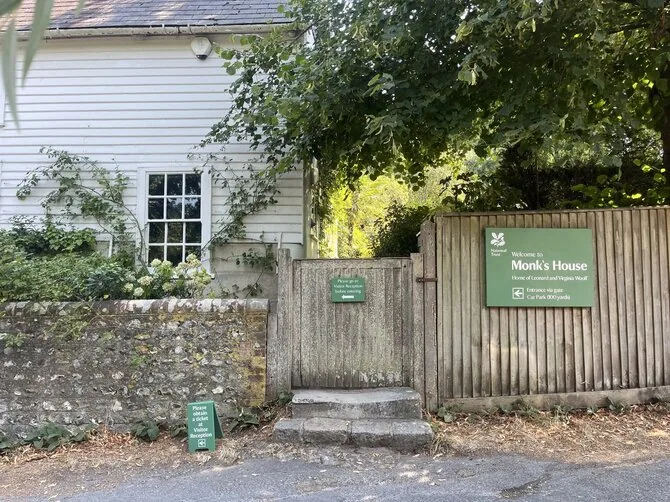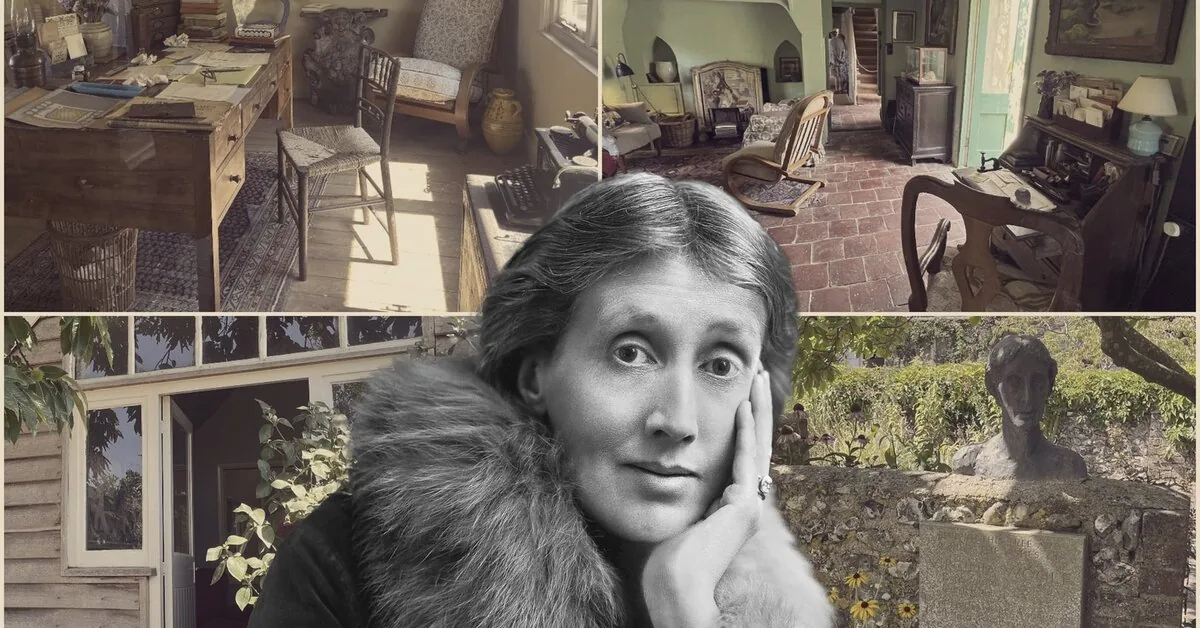
“Monk’s House” in the village of Rodmell in East Sussex (the nearest larger town is Lewes) was originally Virginia and her husband Leonard’s “country house” – over time it became one of the most important places in their lives: a place of peace, creativity, gardening, gatherings of friends, and part of the “Bloomsbury” world.
Read more UAE warned residents about possible missile threats
It is believed that the name “Monk’s House” originated in the Middle Ages: this land once belonged to the nearby Lewes monastery, one of the richest Norman monasteries in England.
The house or its predecessor stood on monastic estates, so locals gradually began to call it the “Monks’ House.” When the Woolfs bought this house in 1919 for 700 pounds, it had no water, no bathroom, and no electricity, but over time they fixed it up.
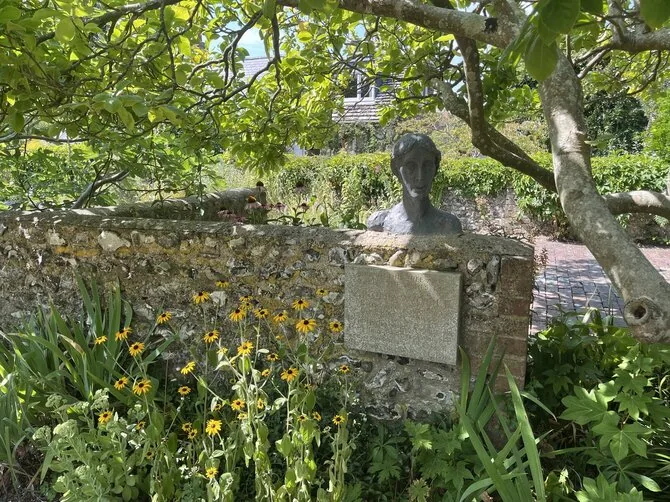
At that time they still had a residence in London, so initially Rodmell was a kind of escape from the city – they went there on weekends, holidays, and longer summer periods.
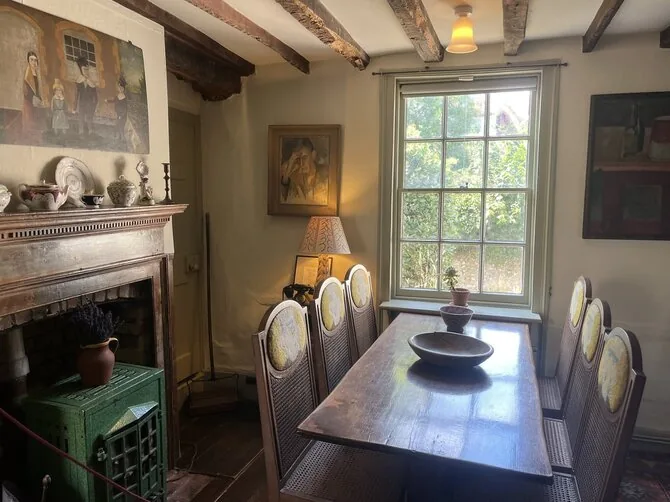
But in 1940, when their London home was damaged during a bombing, “Monk’s House” became their permanent home. Virginia lived there until her death. The writer especially valued that here she could retreat from the noise and people of London. She could walk around the surroundings, observe the garden, the Ouse River, the South Downs hills, and write.
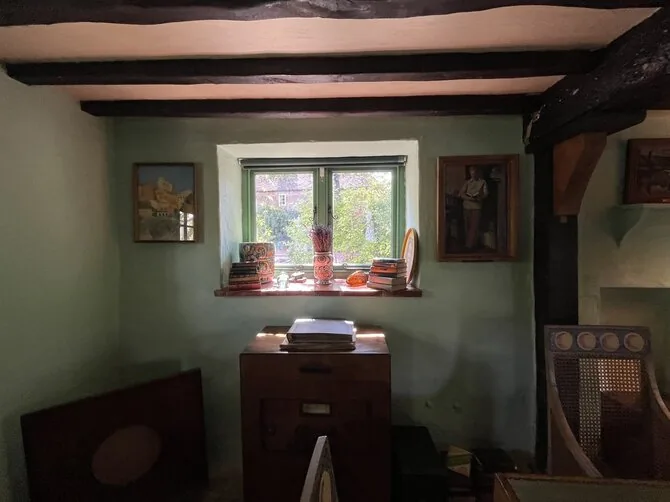
When they moved to “Monk’s House” in 1919, Virginia did not yet have her own separate study. Later, a small writing hut was set up in the garden from an old wooden tool shed. It was at the very end of the garden, away from the main house.
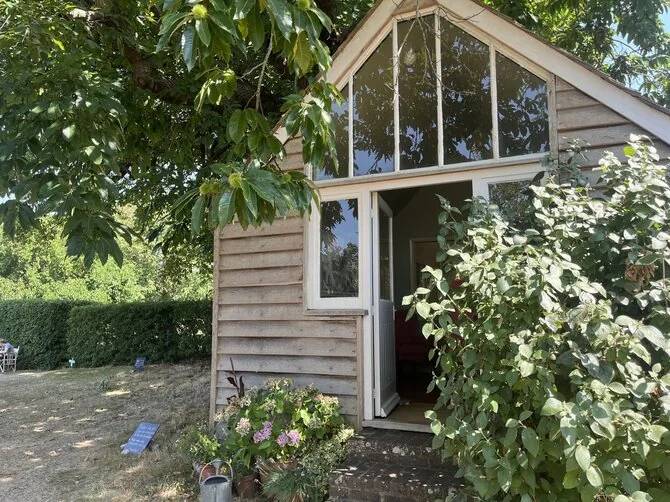
Through the windows she could see meadows, hills, the garden, and Rodmell church. And this was exactly the “Own Room” about which Woolf wrote in her famous essay. It can still be seen today through the glass. It was in this little hut that she wrote not only “A Room of One’s Own,” but also “Mrs. Dalloway,” “Orlando,” “The Waves,” “To the Lighthouse,” and other famous works.
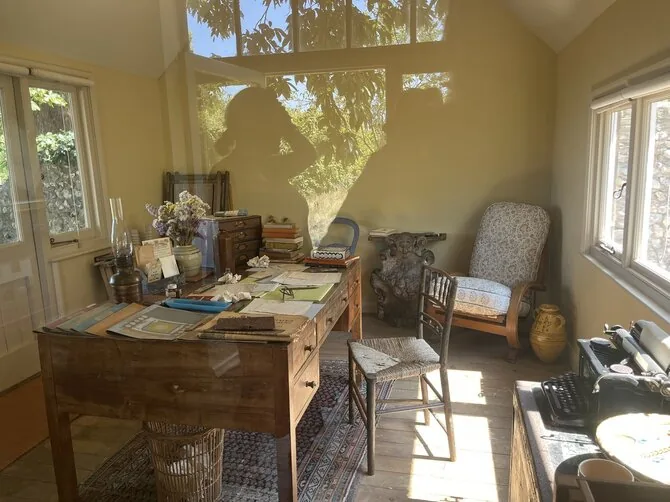
Virginia went to her hut to work every day after breakfast. In the morning she wrote by hand, and in the afternoon she typed the written text on a typewriter. Although life around the hut was not always very quiet (the nearby church bells, noise from schoolchildren, etc.), in summer she sometimes stayed and slept in this hut.
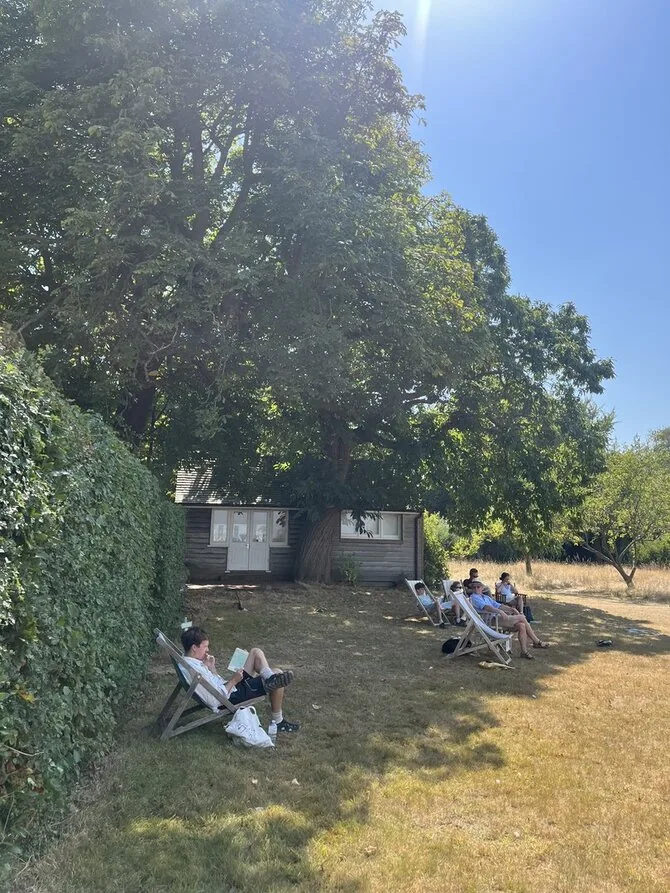
An important part of this place is the garden, which was cared for by her husband. Over several decades he turned the plot into a true English “country garden” with an orchard, vegetable beds, flowers, lawn, pond, beehives, greenhouse, and various ornamental plants.
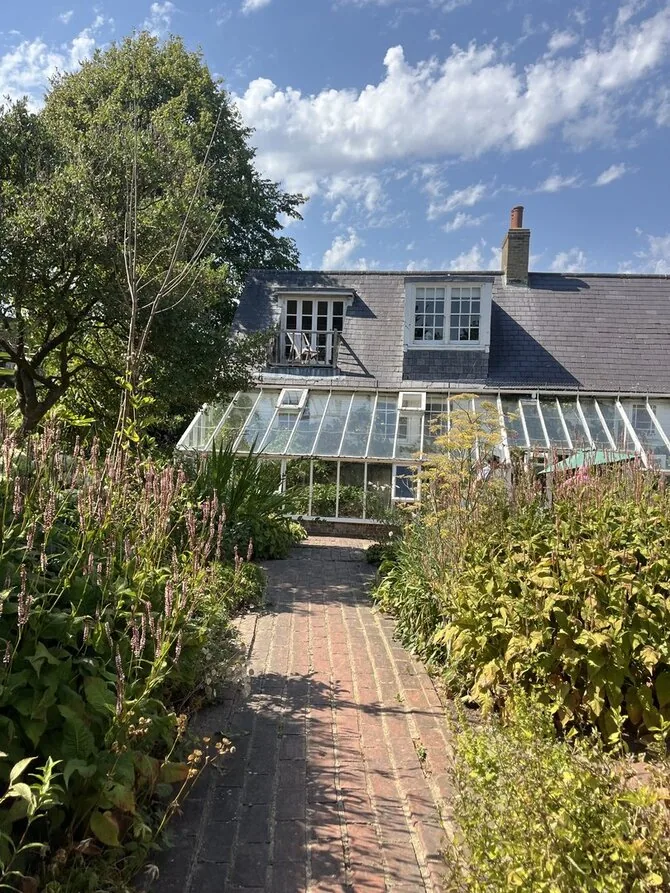
Walking through the garden feels like moving through separate rooms divided by stone fences or plants.
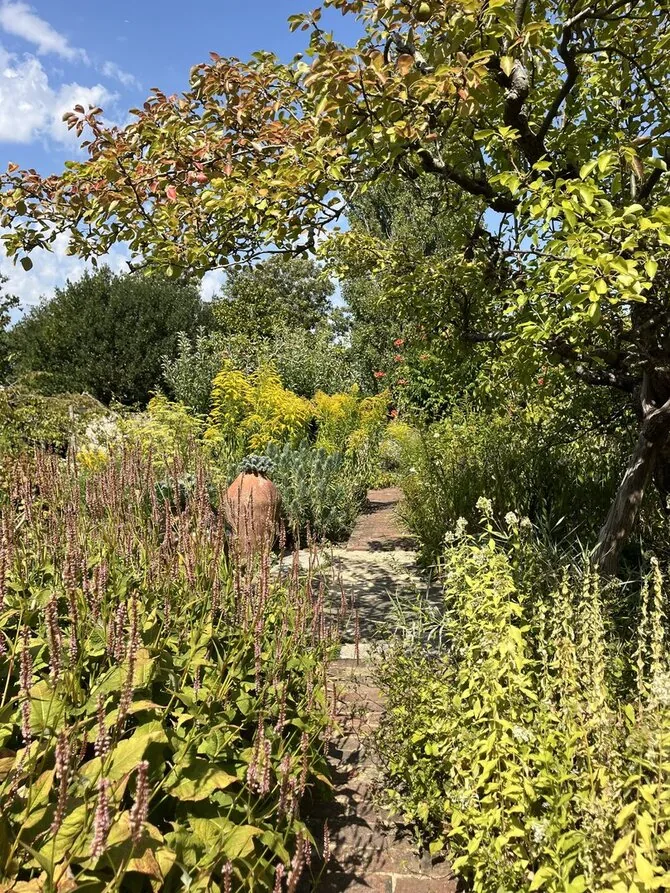
Virginia was also interested in gardening, designing part of the flower beds herself, while Leonard took care of the vegetable garden and orchard. Later they even bought an adjacent field just to ensure that no one would build and block the view of Mount Caburn hill. Virginia joked that they were luckier with the garden than with the house itself: the garden became almost as important a creative world for her as the writing room.
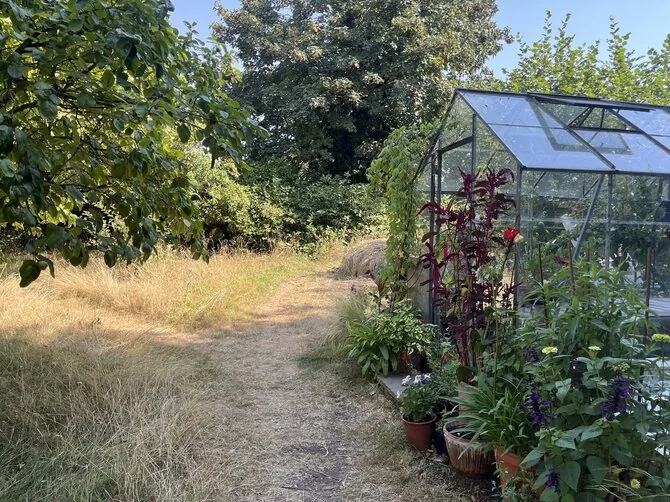
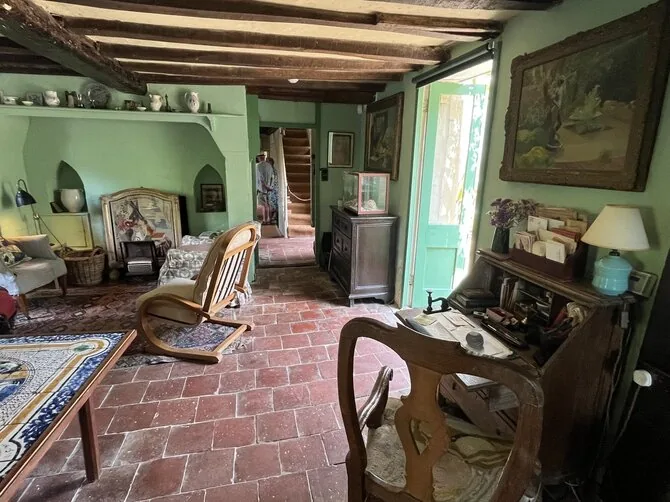
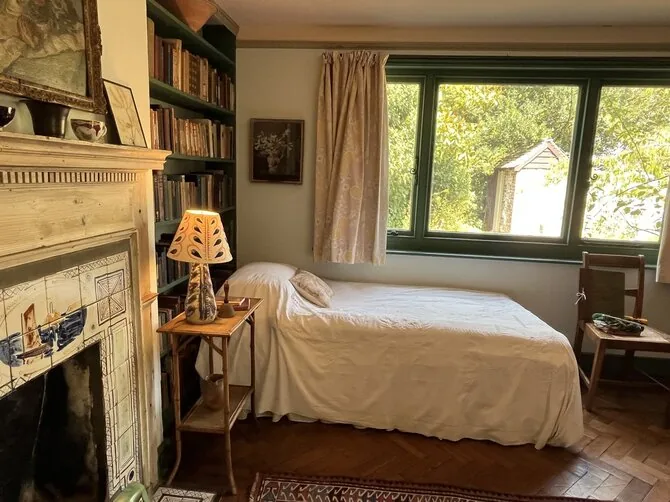
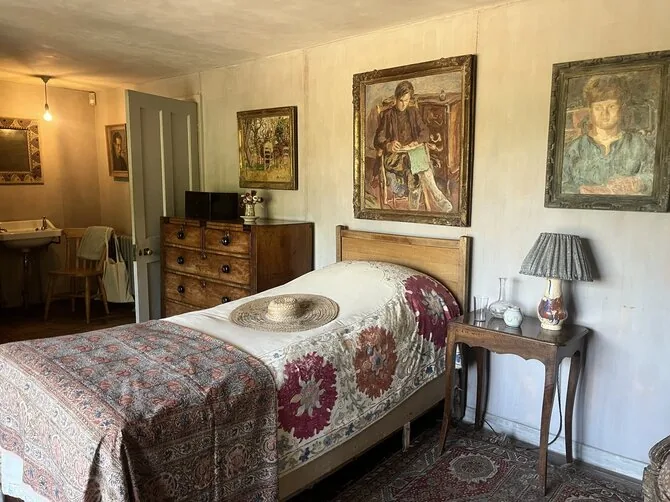
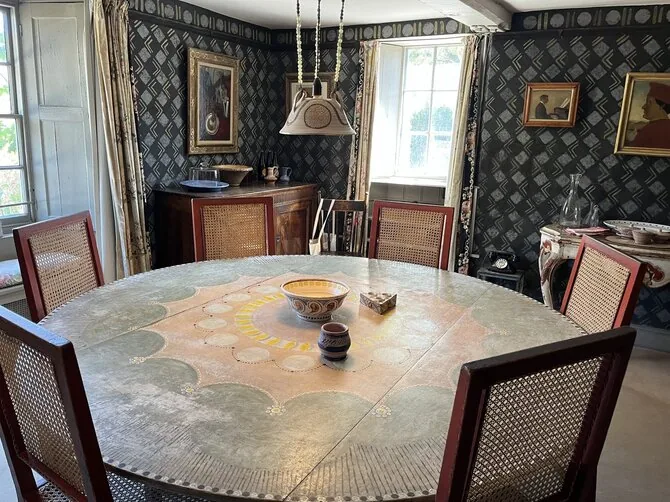
In the main house, we can see not only Virginia’s bedroom with her books and a window to the garden, but also the glass winter garden, the dining room, and the famous living room where the entire “Bloomsbury” circle gathered: T. S. Eliot, E. M. Forster, Roger Fry, Lytton Strachey, Virginia’s sister the artist Vanessa Bell.
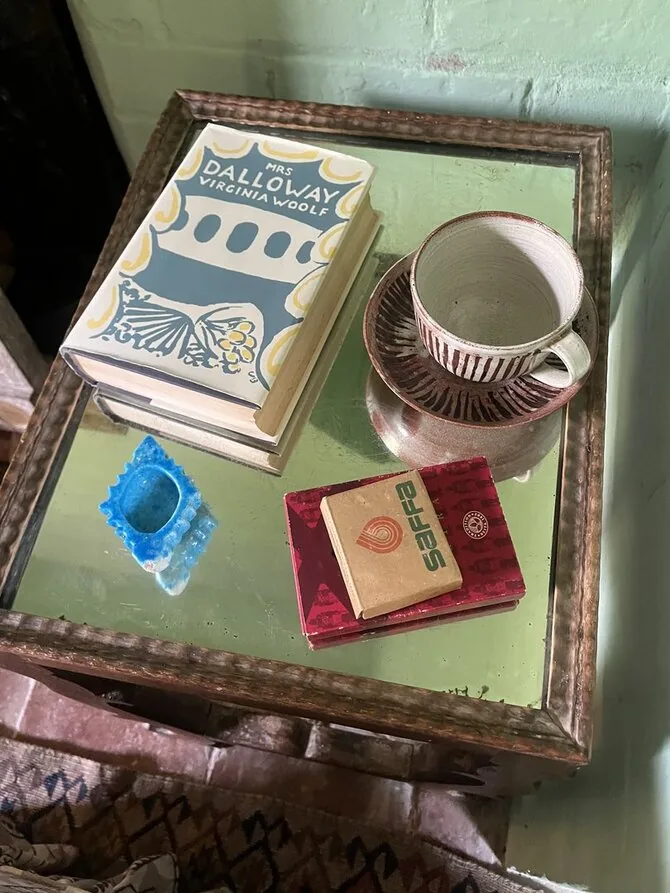
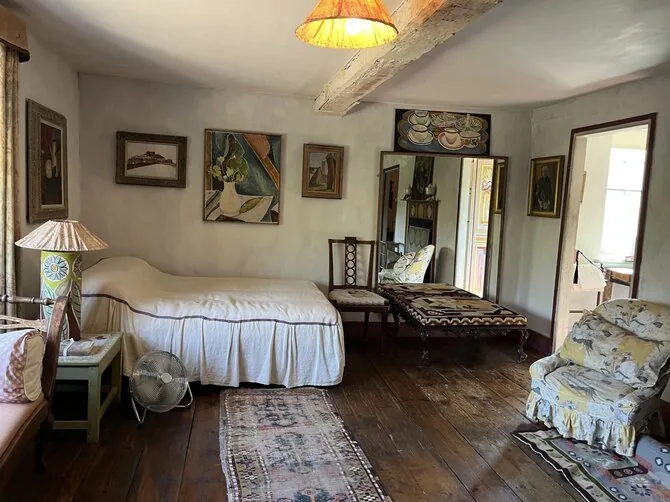
On the walls you can see Vanessa’s paintings, on the tables remaining books, cigarette packs, and many other authentic items – the house looks as if the owners have just stepped out for a walk.
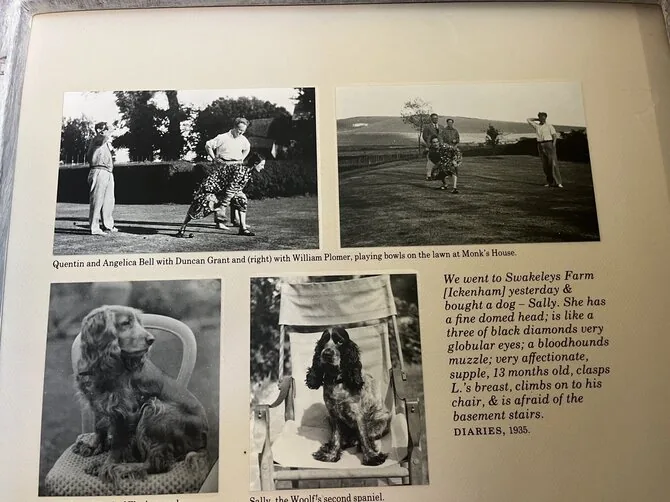
In this summer house, Virginia and her husband often hosted friends. Not only intellectual discussions about art, literature, and politics took place here, but they also enjoyed playing chess, bowls, badminton, and hosting parties. This was a very typical “Bloomsbury” socializing: not formal parties, but long conversations and intellectual discussions, often accompanied by food, entertainment, afternoon tea, walks, and alcohol.
Walking through this house, garden, and seeing the landscapes, it is easy to visually imagine the world Virginia Woolf depicted. Many Woolf scholars write that it was precisely this Sussex silence that helped her create the rhythmic, wave-like melody of sentences in “To the Lighthouse” and later “The Waves.” And the idea of “A Room of One’s Own” materializes in the small writing hut at the end of the garden.
Read more Sex scandal in the whale’s belly: One of the strangest exhibits in the world in Sweden
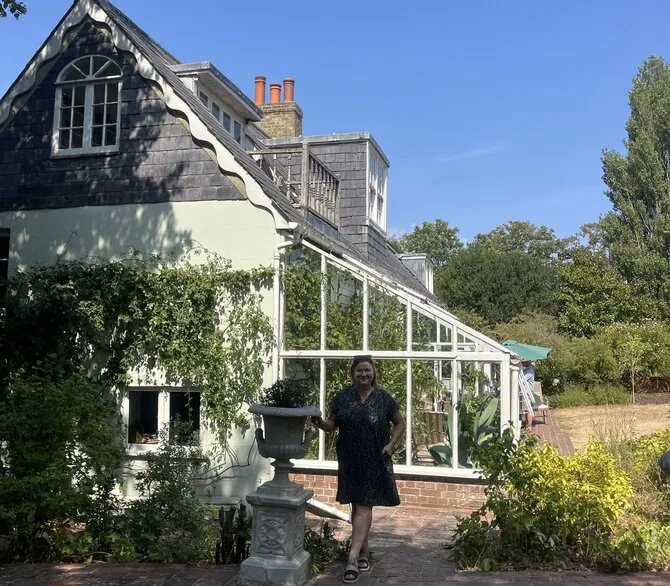
That is why it can be confidently said that “Monk’s House” is not just a museum – it is a place where you can truly directly feel, see, and admire the world described in Woolf’s work. In the garden with the same view that Woolf saw from her writing hut, you can sit in chairs with your own book, unhurriedly spending time here together with the landscape that inspired the writer.
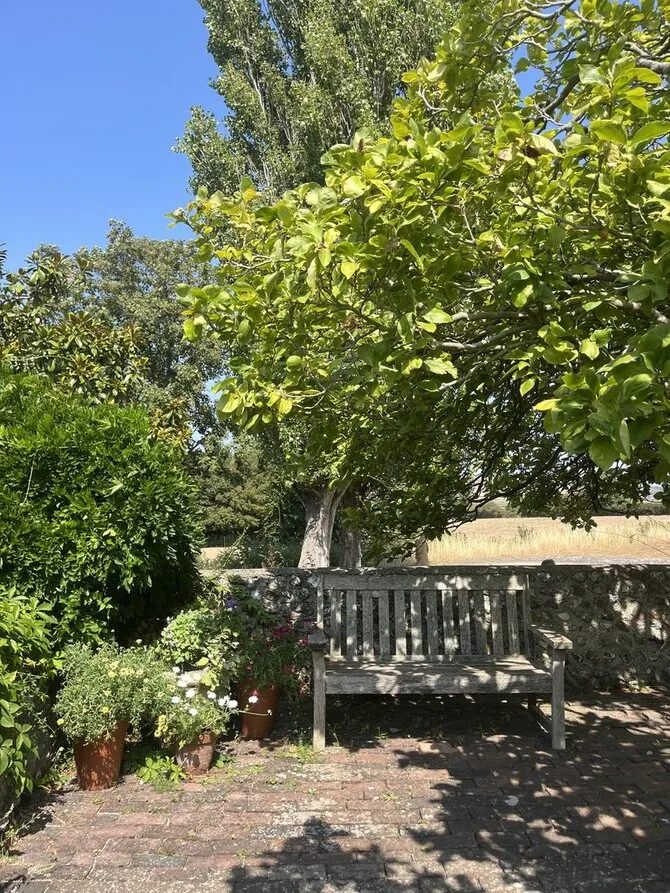
The Woolfs loved this place so much that as early as 1919 Virginia wrote that she had already marked the place where they would be buried (in the same garden under the gorse bushes), and called the house her address “forever and ever.”
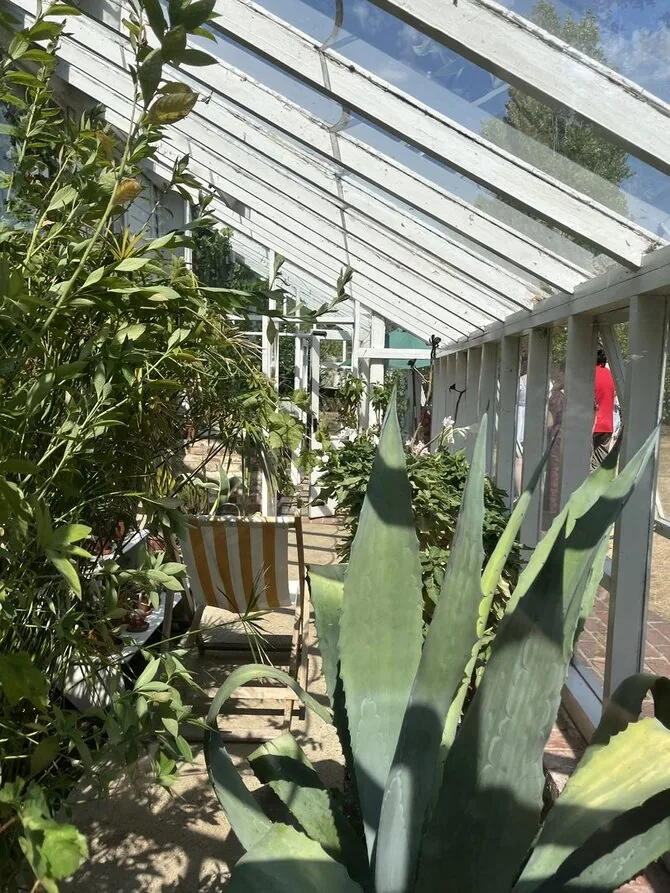
The “Bloomsbury” movement and the impressive home of Virginia Woolf’s artist sister Vanessa Bell in Charleston
Not far from “Monk’s House” are the preserved homes of Virginia’s artist sister Vanessa Bell and her partner, artist Duncan Grant, which were a meeting place for the “Bloomsbury” movement and intellectuals in Sussex.
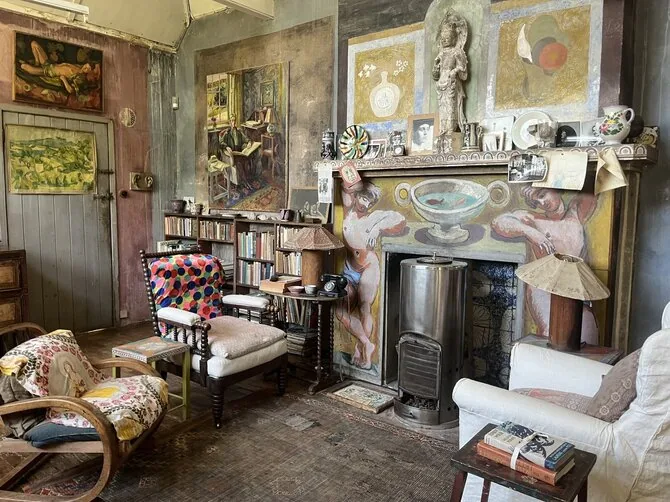
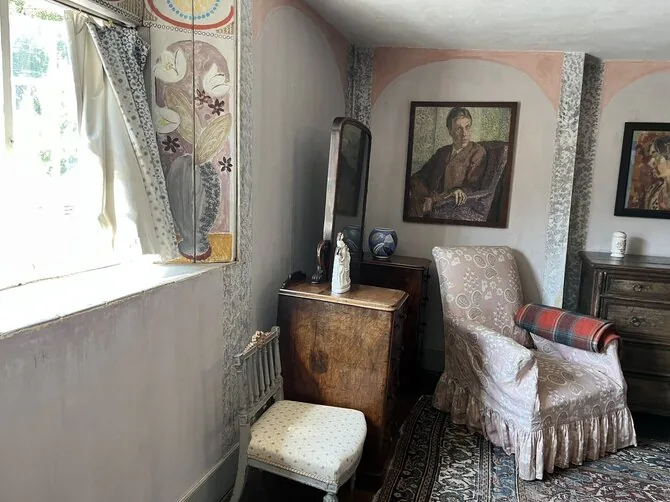
Woolf often visited Charleston and was closely connected with the family and circle of friends living there. The interiors of Charleston strongly reflect the “Bloomsbury” aesthetic – painted furniture, walls, decorative patterns, plant motifs.
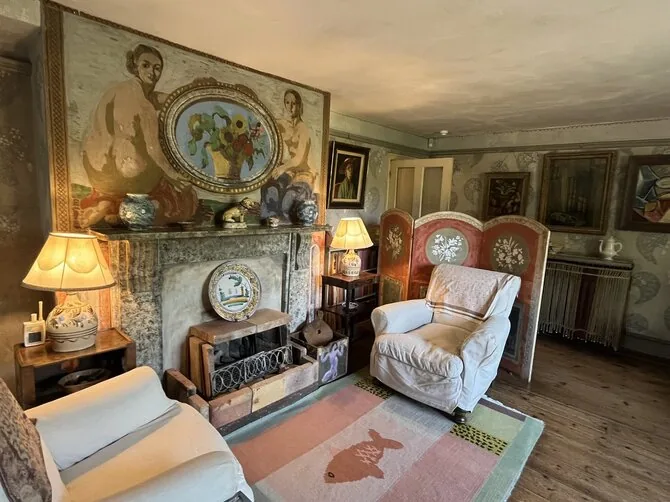
The main principle of the “Bloomsbury” aesthetic was that the walls of homes, furniture, book covers, and gardens were considered as much a creation as novels or works of art. So walking through Charleston’s homes feels like being inside one big painting.
Woolf liked to walk on foot to her sister’s home in Charleston, although it was about a six-mile (about 9-10 km) route through the South Downs hills.
This was not only physical movement but also a time for her creative reflections, and the time spent at her sister’s with other “Bloomsbury” intellectuals influenced her life and work. Their conversations revolved around literature, sexual identity, economics, war, painting, psychology, and how to live a meaningful life.
They believed that art, love, and freedom of thought were more important than social conventions, and sincerity was more important than polite pretense.
Printer and publisher Virginia Woolf
In Charleston, you can now visit not only these wonderful homes of Virginia Woolf’s sister, but also an art gallery nearby. It currently hosts an exhibition “Virginia Woolf and the Hogarth Press,” where Virginia Woolf and her husband can be discovered as founders and publishers of a radical press.
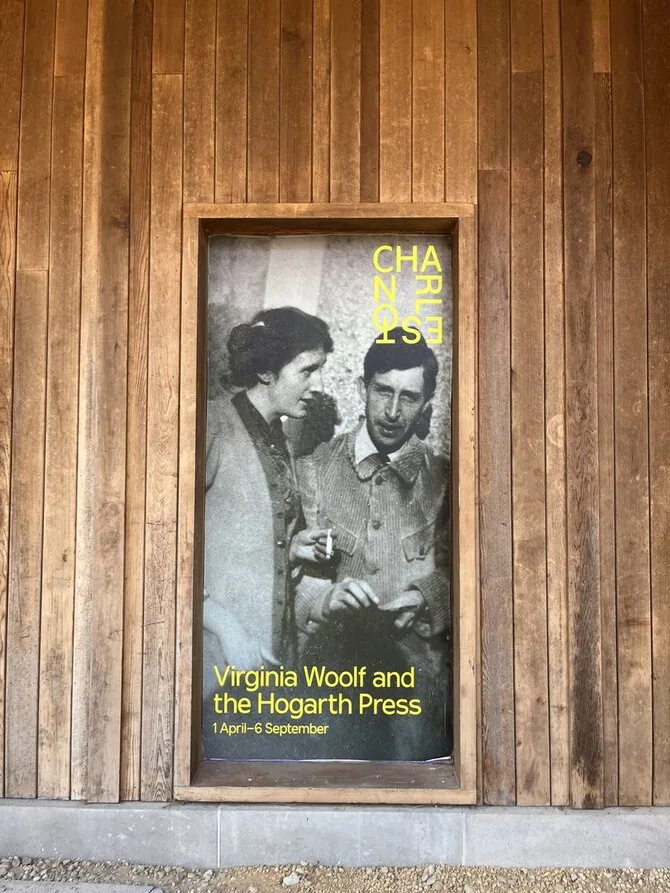
In 1917, Virginia and Leonard Woolf bought a small hand printing press for 19 pounds and set it up in their dining room. They had no formal training as printers – they learned from manuals and did everything themselves: setting type, printing, sewing, and binding books.
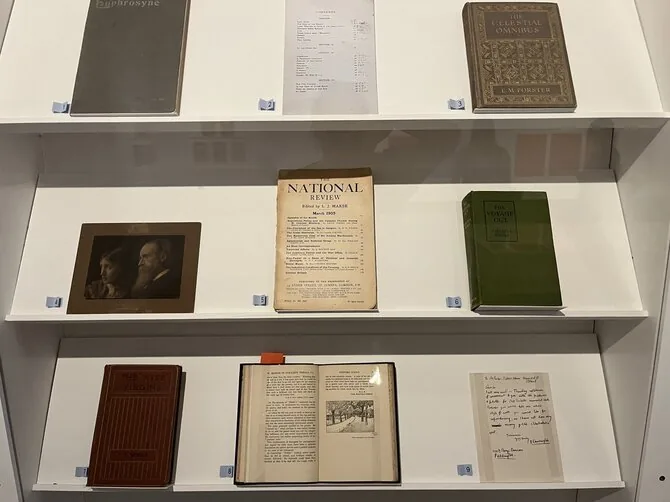
Leonard believed that manual work would help Virginia recover from severe episodes of depression and psychosis. Writing often caused her enormous tension, and the monotonous setting of type had an almost meditative effect. Virginia herself wrote in her diary that the press became their “strange child” that gradually took over the whole house.
The “Hogarth Press” became not only a publishing house but also a laboratory of modernism. The Woolfs published authors whom many major publishers considered too experimental or risky. For example, they were the first to publish the famous T. S. Eliot’s “The Waste Land,” considered one of the most important literary texts of the 20th century, as well as Sigmund Freud’s writings in English, introducing British readers to psychoanalysis. The “Hogarth Press” was surprisingly politically bold.
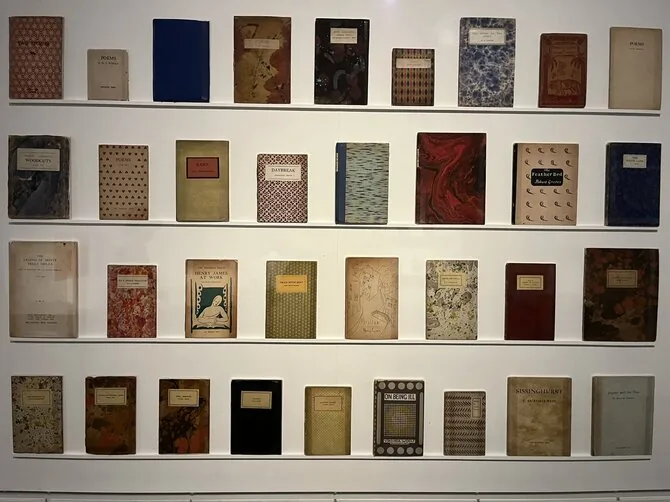
It published texts about feminism and women’s rights, criticism of colonialism, the dangers of fascism and Nazism, international peace and political philosophy, psychoanalysis, and child psychology. Virginia’s sister Vanessa Bell created the covers for almost all her books – colorful, abstract, now considered classics of modernist design. It was a rare publishing house where literature, art, and political ideas existed on an equally important level.
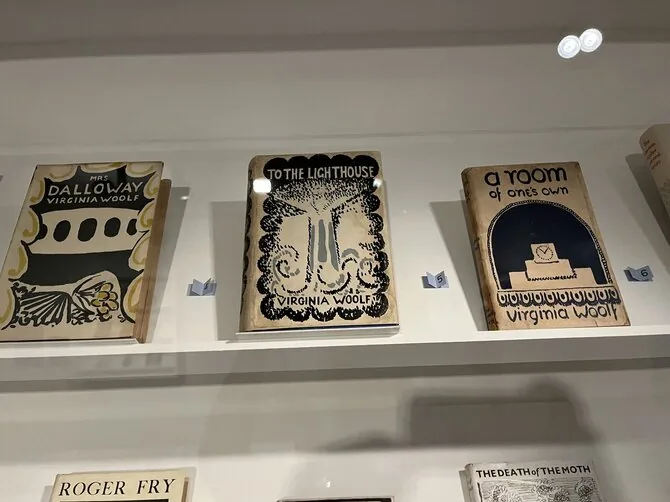
Virginia Woolf dreamed of “a room of her own,” but at the same time she created her own publishing house. The “Hogarth Press” gave her what many women writers lacked at the time – complete creative freedom: she could write, edit, print, and publish her book almost without anyone’s permission. That is why this small hand press became one of the greatest modernist revolutions in literary history.
The exhibition shows books published by this press and their artistic covers.