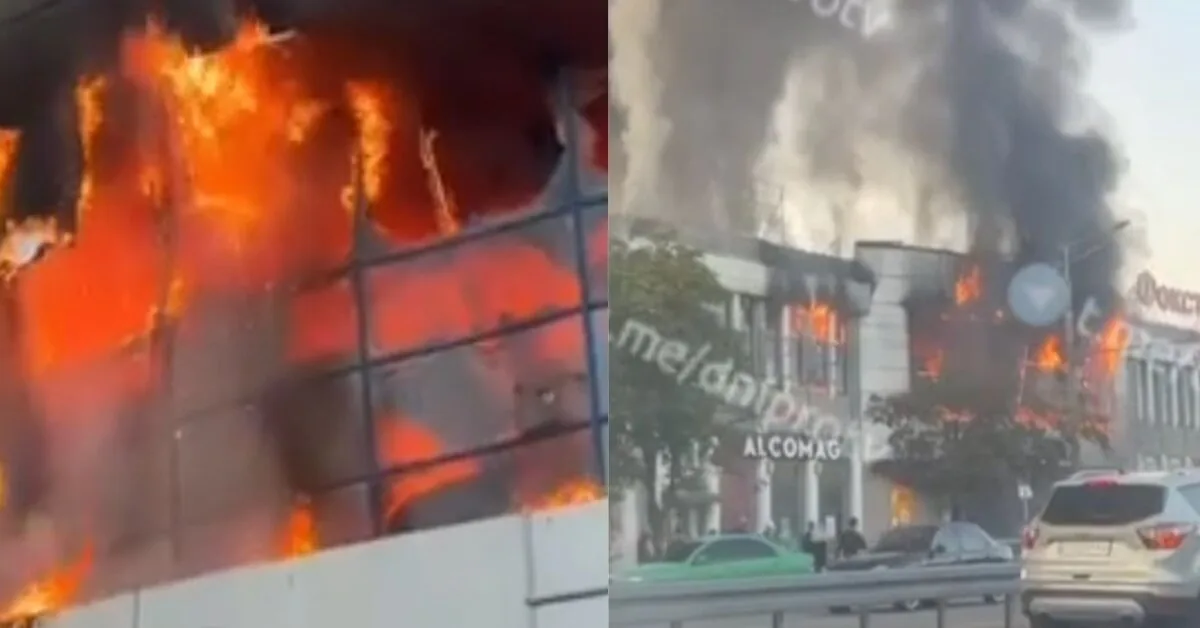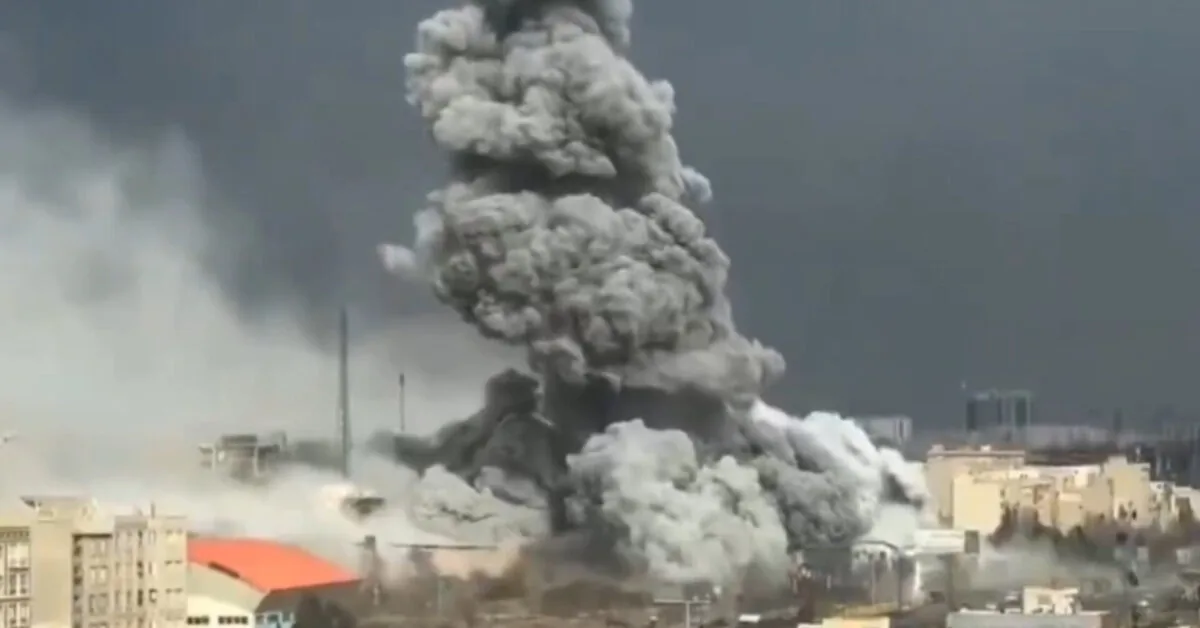
According to sources, Tehran’s main goal is to inflict such damage on its opponents that would permanently deter them from new large-scale strikes on Iranian territory, similar to those inflicted during last year’s 12-day war and the current conflict.
Read more 7 people trampled, 19 injured in Indian temple
According to WSJ interlocutors, the Iranian authorities have given the Islamic Revolutionary Guard Corps greater control over the regular army and appointed “hardened veterans” – participants of the Iraq and Iran war and supporters of strikes against Arab countries hosting US bases – to key positions in the armed forces.
Kuwait and Bahrain may suffer
At the same time, Iran is expanding counterintelligence operations and accelerating the production of missiles and drones. Further escalation, according to sources, could include sabotage against internet cables in the Persian Gulf and destabilization of the political situation in countries with large Shiite communities, such as Kuwait and Bahrain. In addition, a possible ground operation in Kuwait is not ruled out.
It is also believed in Iran that US efforts to reach a ceasefire are merely an attempt to reduce pressure on the global economy, and negotiations may only be a brief respite before even more intense military actions.
Read more Announcement of competition for the position of LRT Ethics Controller
However, as WSJ notes, Tehran fears the consequences of escalation. Iranian government advisers believe that the next stage of confrontation could go beyond the limits of traditional warfare and include attempts to incite unrest within the country, similar to those that occurred in early January due to economic problems.
On June 18, the US and Iran signed a memorandum of understanding providing for a 60-day cessation of hostilities and the start of negotiations to end the war. However, less than a month later, the US resumed strikes on Iran, with both sides exchanging accusations of ceasefire violations.
In mid-August, the countries agreed to extend the 60-day ceasefire. US President Donald Trump stated that negotiations with the Iranian authorities are currently sluggish because he continues to rely on a policy of economic pressure against Iran.
Read more More details emerge about the accident that took 12 Polish lives: the bus overturned several times