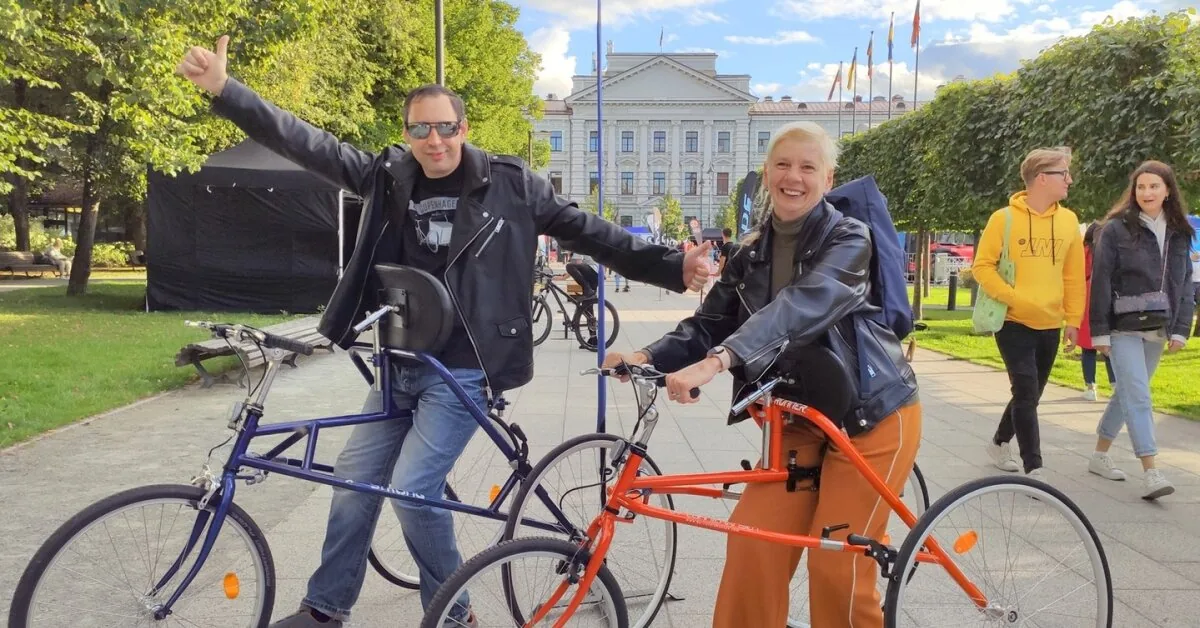
This change may provide more opportunities for independent mobility for people with severe movement, balance, or coordination disorders, whose functional needs have not been met by any of the compensated mobility aids so far. The final compensation conditions will be clarified upon the adoption of the order by the Minister of Social Security and Labour, according to the press release.
Read more The week started with new fuel prices: what has changed?
Two negative responses did not stop the effort
The Lithuanian Tricycle Sports Association began raising the issue of compensating running tricycles as early as January 2023. Based on the experience of its community, the organization proposed including the device in the list of compensated technical mobility aids, but the first request was rejected.
After the negative response, the association investigated what additional documents and data were needed to justify the need and benefits of the device. Compliance documents were collected from the running tricycle manufacturer, so a second request was made in 2024.
However, a second negative response was received along with a recommendation to seek funding allocated for sports equipment.
“This response helped to clearly see one fundamental problem: a running tricycle can be sports equipment, but in certain cases, for a person with severe mobility impairment, it is primarily an individually adapted mobility and technical aid,” says Rasa Narbuntaitė Rudžionienė, representative of the Lithuanian Tricycle Sports Association.
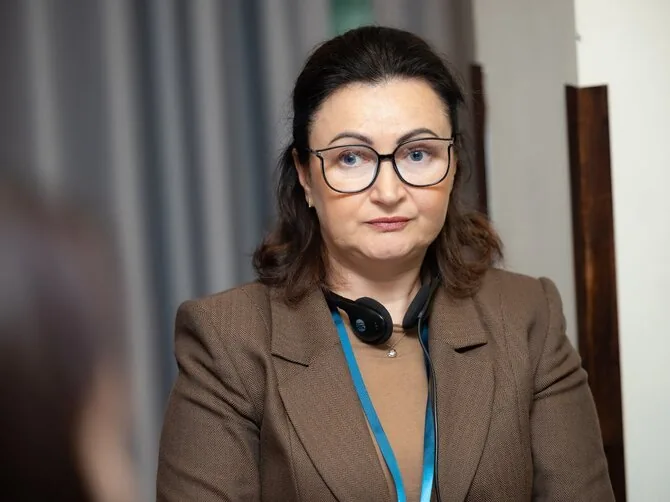
According to her, it then became clear that this distinction must be justified not only by community experience but also by medical, technical, and legal arguments.
“We realized that our determination and practical experience alone were not enough. Therefore, in early 2025, we began cooperating with the non-governmental organization European Life Science & Knowledge Institute (ELSKI). This partnership fundamentally changed our ability to achieve results – it helped strengthen arguments, better navigate complex legislative processes, and consistently represent the community’s interests in dialogue with state institutions,” says R. Narbuntaitė Rudžionienė.
More than just a technical list addition
ELSKI representative and life sciences law expert Andrej Rudanov primarily views the proposed decision as a matter of human dignity, independence, and equal opportunities.
“For a long time, it was thought that a tricycle was only sports equipment. But that was just an opinion and assumptions, not conclusions based on facts and evidence. A tricycle as a medical device could be one of the few aids allowing people with severe movement, balance, or coordination disorders to move independently, participate in community life, and engage in physical activity with other children or adults,” says A. Rudanov.
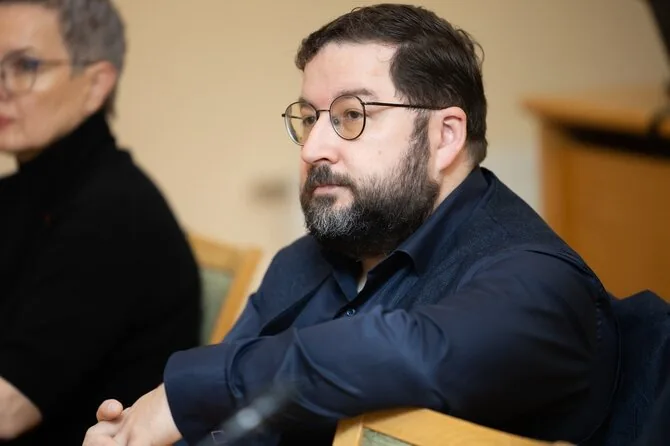
Until now, the compensation system covered various technical mobility aids, but running tricycles were not included. As a result, people for whom the already compensated alternatives were unsuitable had to purchase the device with their own or family funds.
“This is not just a technical matter of adding another name to the list. It is a broader change in perspective – from the question of what aids the state is accustomed to compensating to the question of what aid a specific person really needs to ensure their functions, health, and independence. This approach aligns with the principles of individual needs assessment, inclusion, and non-discrimination,” emphasizes the speaker.
According to A. Rudanov, the proposed compensation is also real practical help for families. As long as the purchase of necessary aids is left solely to the family’s financial capabilities, the ability to move and participate in social life depends not only on the person’s needs but also on their family’s income.
Read more New public sauna in Palanga: free rituals with sauna masters on the opening occasion
Practical experience turned into concrete proposals
To achieve change, the existing regulation of technical aids and the practices of other European countries were analyzed, reasoned appeals were prepared, and participation in meetings, working groups, and commissions took place. A specific possible regulatory model was also presented to institutions – how a running tricycle differs from sports equipment, who it could be assigned to, and by what functional criteria its need should be assessed.
“We brought our community’s experience, knowledge of its needs, and determination not to give up, while ELSKI contributed expert legal and advocacy knowledge. This partnership helped shift the discussion with institutions from whether such an aid is needed at all to the specific criteria for its assignment,” says the Lithuanian Tricycle Sports Association representative.
The issue gradually moved from the administrative assessment of one institution to a broader inter-institutional process. It was examined by experts from the Technical Aids Center, parliamentary committees, the Government Chancellery, ministries, and the Council for the Welfare of Persons with Disabilities.
“The breakthrough was determined by accumulated practical experience, strengthened legal and scientific arguments, a concrete proposed regulatory model, partnership, and the institutions’ readiness to reassess the previously formed position. It was not only a change in perspective but also a result of higher quality justification and dialogue,” says A. Rudanov.
According to him, this is precisely the essence of systemic advocacy – to seek not an exception for one person or organization but a common and clear state rule for all people meeting objective functional criteria.
Final compensation conditions not yet approved
Currently, recommendations from two expert institutions have been received, and the Ministry of Social Security and Labour has committed to preparing a draft legal act. The expert commission proposed including running tricycles in the list of compensated aids from January 1, 2027.
However, these recommendations alone do not create a right for a person to receive compensation. The practical implementation of the decision will be determined by the order of the Minister of Social Security and Labour. It must specify which people will be assigned the aid, how its need will be assessed, the amount of compensation, and the procedures to be applied.
The planned date will become real only if the legal act is adopted on time and the necessary funding is allocated in the state budget.
“Even a very good principled decision can become difficult to access if the criteria are too narrow, linked only to a few diagnoses, if the procedure is excessive, or if the compensation amount is disproportionately small compared to the actual cost of the aid and its adaptation,” draws attention A. Rudanov.
The partners of the project “Towards Equality and Inclusion with Tricycles” will continue to monitor the preparation and adoption process of the legal act and strive to ensure that the final compensation procedure truly reflects the needs of people with severe mobility impairments.
“It is important for the community not only that the running tricycle appears on the list of compensated aids. The essential question is whether the established conditions will allow people who need this aid to actually receive it. Therefore, we are awaiting clear criteria that correspond to people’s functional needs and such compensation coverage that provides families with real, not just formal, assistance,” says R. Narbuntaitė Rudžionienė.