










As professional agronomist and landscape specialist Tautvydas Gurskas explains, such weather fluctuations can cause deformation of vegetables, fruits, and berries as well as cracking of their skins. Therefore, it is especially important to provide enough phosphorus, potassium, and calcium for the upcoming harvest, according to a press release.
Read more UAE accuses Iran of attacking two ADNOC ships in the Strait of Hormuz
According to T. Gurskas, cracked skin is an open path for rot. He says rot can also be introduced by birds pecking fruits and berries with their beaks.
“Whether it’s tomatoes, cherries, sour cherries, or other berries, we can lose almost the entire crop due to rot. Potassium and calcium protect against such problems by strengthening the skin and the berries themselves, making them easier to transport. These minerals also improve nutritional qualities: potassium and calcium participate in sugar production, resulting in better, sweeter berries,” says the expert.
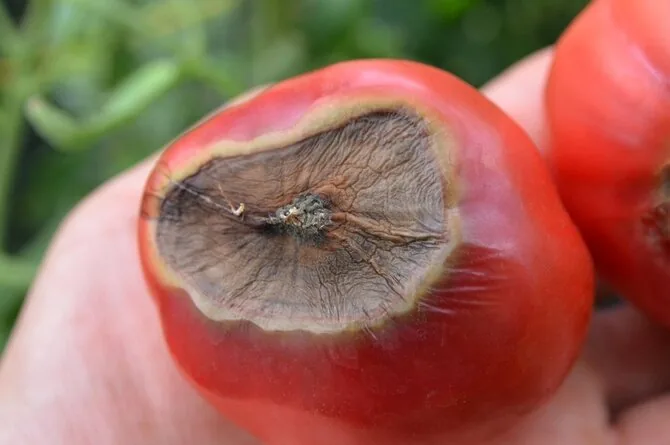
He adds that calcium also protects against strawberry rot and other diseases. “This mineral is so versatile that it helps protect tomatoes from blight as well. Moreover, micronutrient fertilizers containing not only calcium but also magnesium and copper are beneficial for vegetables and berry bushes.”
The professional agronomist adds that besides the mentioned micronutrients, berry bushes and other plants need magnesium, iron, and copper. According to him, boron is also very useful.
Read more Balconies in Kaunas caught fire, the reporter indicated an unusual cause: «Burning hornets»
“In general, the more micronutrients we provide to the plant, the stronger it becomes and the better it can prepare for winter as well as various weather challenges. It is important to mention that currently, as little nitrogen as possible is needed: it promotes growth, which can cause shrub shoots not to harden in time and later freeze.
Proper fertilizers contain 5–7 parts nitrogen, with the rest being micronutrients. For example, if iron is lacking, leaves can lose their rich green color and develop chlorosis: the foliage will lose color and may become smaller,” emphasizes T. Gurskas.
He also recommends fertilizing perennial plants – berry bushes, fruit bushes, and fruit trees – after harvest, at the end of summer. “This measure will stimulate the accumulation of dry matter in plants and its movement from leaves to roots, making plants more resistant to frost, especially during very cold winters.”

