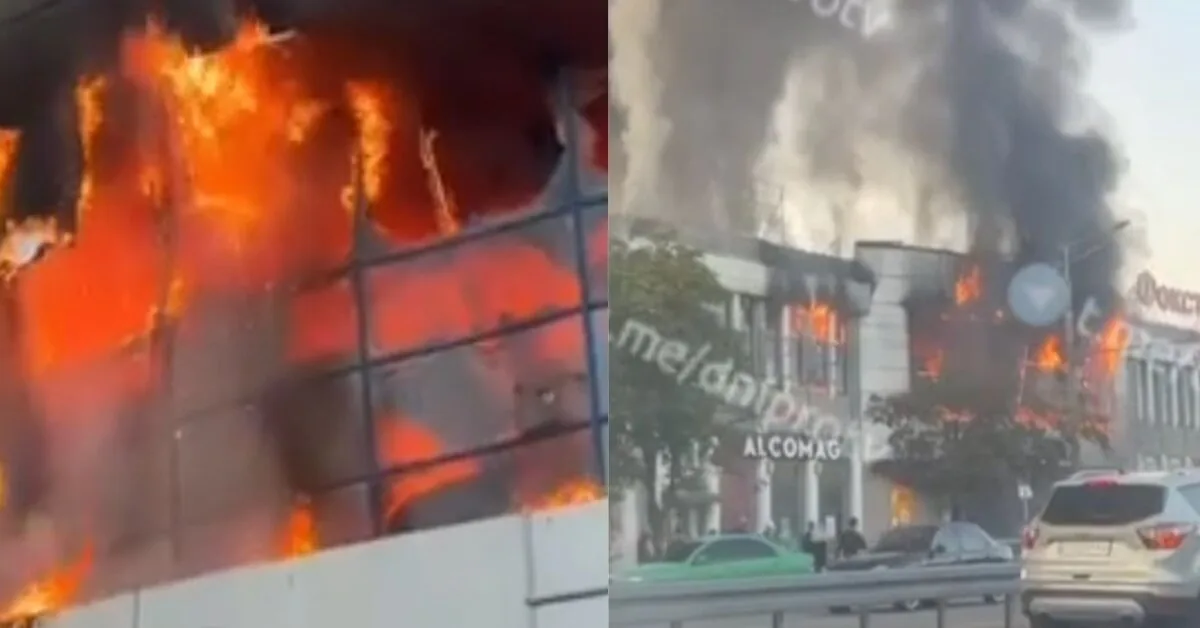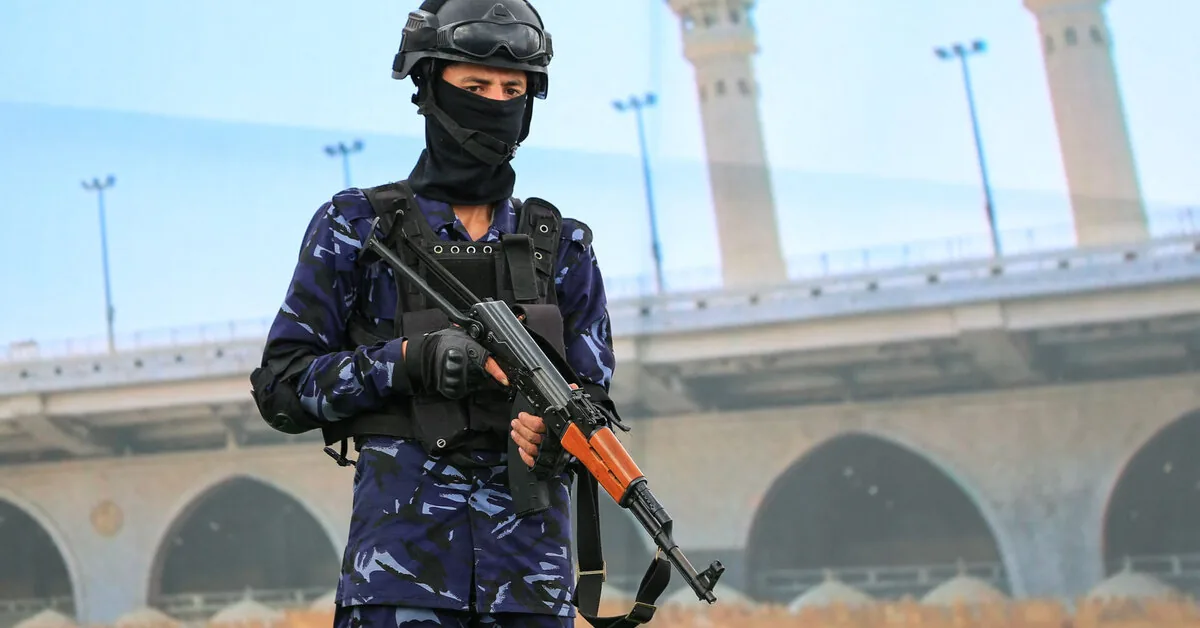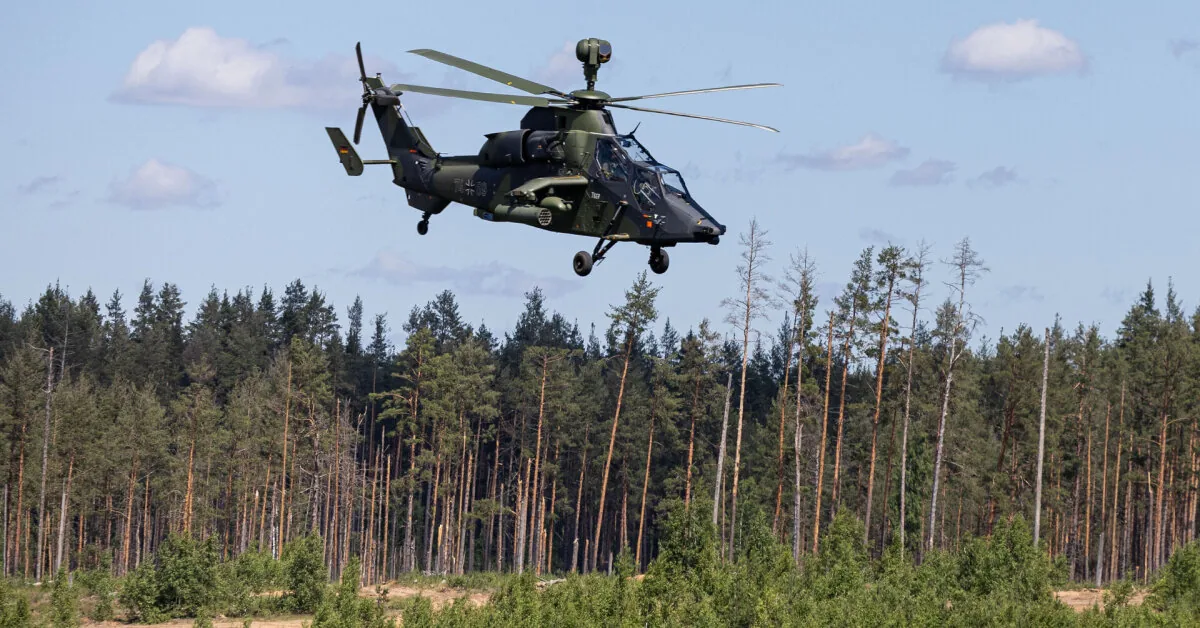
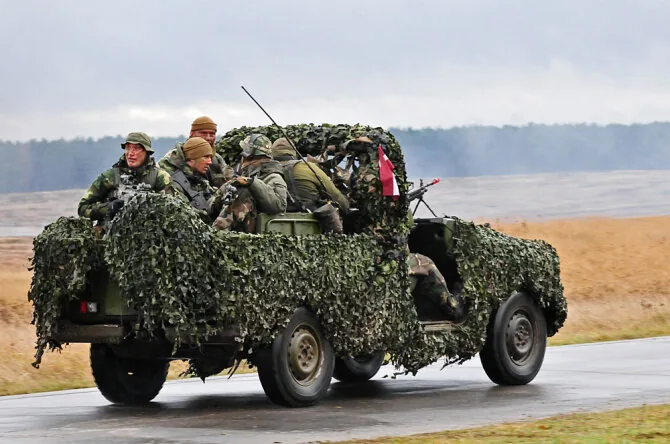
Early on the morning of August 14, a post appeared on the social network X about an alleged deadly incident during the international military exercises “Baltic Trust 26” taking place in Latvia.
Read more A group of 10 young people convicted in Panevėžys: they were armed, committed terrible crimes
It is claimed that on August 13, at the Sēlija military training ground, a Ukrainian soldier allegedly started shooting at other exercise participants, killed three NATO soldiers, and then committed suicide.
“During a fatal shooting incident that occurred during the ‘Baltic Trust 26’ military exercises in southern Latvia, four people died,” the circulated information states.
It also claims that the commander of the Latvian army, General Kaspars Pudāns, allegedly confirmed that the exercises were halted after the tragedy but refused to provide further details, and the identities of the deceased have not yet been disclosed.
The credibility of this story is supported by real details: “Baltic Trust 26” is indeed taking place at the Sēlija training ground from August 3 to 14, involving about 650 soldiers and other participants from Latvia, NATO countries, and partner countries, including Ukraine, Australia, and Japan, with the main goal of the exercises being the integration of unmanned aerial vehicles and counter-drone systems into military operations.
The only message – on X network
Checking publicly available information, no reliable source was found to confirm that such an incident occurred at the Sēlija training ground.
Neither Latvian official institutions, NATO, nor international media reported the alleged death of four people.
Local media silence is also important: The Jēkabpils region news portal, which on August 13 published information about road repair funding, residents’ complaints about concert noise, and a traffic accident in the Sēlpils parish where three people were injured, did not report any military incident or deaths.
It was also impossible to find any statement from the Latvian Ministry of Defense, National Armed Forces, or NATO about the allegedly halted exercises, nor any comment from the army commander General Kaspars Pudāns confirming the circulated story.
The post imitates – the channel logo is displayed in the upper right corner to create the impression of credible news content. However, there is no data about such an incident on the official “Euronews” website or verified social media accounts.
15min contacted representatives of the Latvian armed forces for comment and will update the text upon receiving a response.
Drone incident
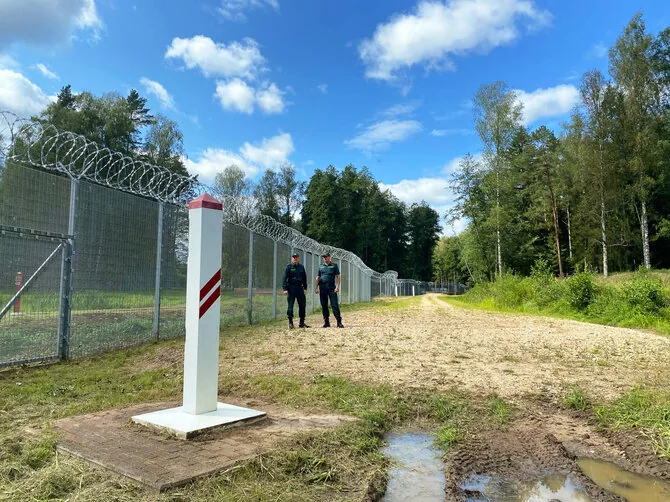
On the morning of August 14, NATO air policing mission fighters shot down a foreign drone in the Balvi municipality, which entered Latvia due to Russian electronic warfare actions, reported the National Armed Forces (NBS). The drone was shot down by fighters that took off from Šiauliai.
This interception occurred amid growing concern in Europe about drone activity as the war in Ukraine continues into its fifth year.
Iveta Bērzina, a representative of the Joint Staff of the Latvian Armed Forces, told Latvian radio that the drone’s location is known but did not disclose the exact location.
She noted that an investigation is currently underway.
In the municipalities of Augadaugava, Preiļi, Rēzekne, Balvi, and Alūksne, an airspace threat was declared around 4 a.m. local (and Lithuanian) time and ended at 4:50 a.m. local (and Lithuanian) time.
However, these two events should be clearly geographically separated: the real incident on August 14 occurred near the eastern border of Latvia, while the Sēlija training ground mentioned in the false story is about 170 km southwest.
Typical Russian tactic
Associate Professor N. Maliukevičius from the Institute of International Relations and Political Science (TSPMI) at Vilnius University (VU) pointed out that the false information appeared in only two social network X accounts and was not rapidly spread through troll and bot networks.
The propaganda and information warfare expert told 15min that he sees no reason to directly link the false news about the alleged massacre at the Sēlija training ground with the drone that entered Latvian airspace.
According to him, a more likely scenario is a well-known information operation model – an attempt to discredit the ongoing military exercises.
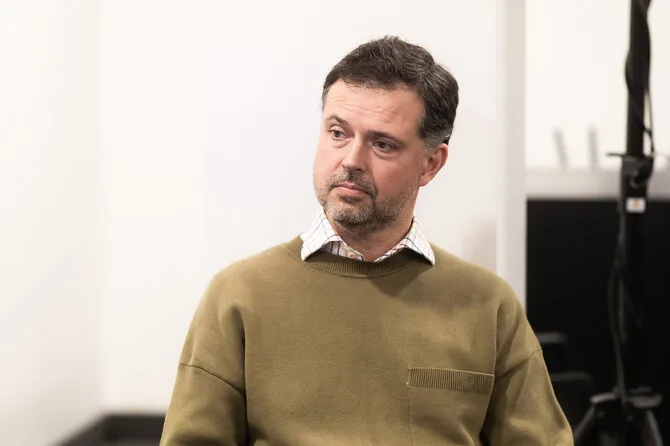
“I would still say that this is a manipulation mechanism where Russia tries to discredit the ongoing exercises,” N. Maliukevičius told 15min.
The expert recalled that a similar tactic has been used before in information operations: real information, photos, or video footage from military exercises are taken but given a completely different, false context.
For example, he said, footage from exercises held in Klaipėda in 2016 was used to spread false information that a chemical accident had occurred in the city. Similar cases have occurred in Poland and Latvia, where real accident footage was presented as disasters allegedly happening during military exercises.
According to N. Maliukevičius, a similar principle could have been applied this time – real material from the “Baltic Trust 26” exercises might have served as the basis for the fabricated story about a Ukrainian soldier and killed NATO soldiers.
“A real, probably, report from the exercises is taken. Now, since modern technology easily allows adding various subtitles or messages, it is then changed into such a falsehood,” he explained.
According to the expert, this corresponds to the “traditional operating model” where information attacks aim to compromise or complicate ongoing military exercises.
However, N. Maliukevičius noted that the broader informational context is important in this case. Although the false story should not be directly linked to the drone incident, increased tension may amplify the impact of such disinformation.
“The context of information operations is also important. (…) Emotions are aroused, reactions are different, and potentially the impact is modeled as greater because people are simply agitated,” said N. Maliukevičius.
He said that under normal circumstances, false information posted by a few social media accounts might go almost unnoticed, but under conditions of increased military and informational tension, such messages receive much more attention and may be perceived as more threatening than they would be in calmer times.