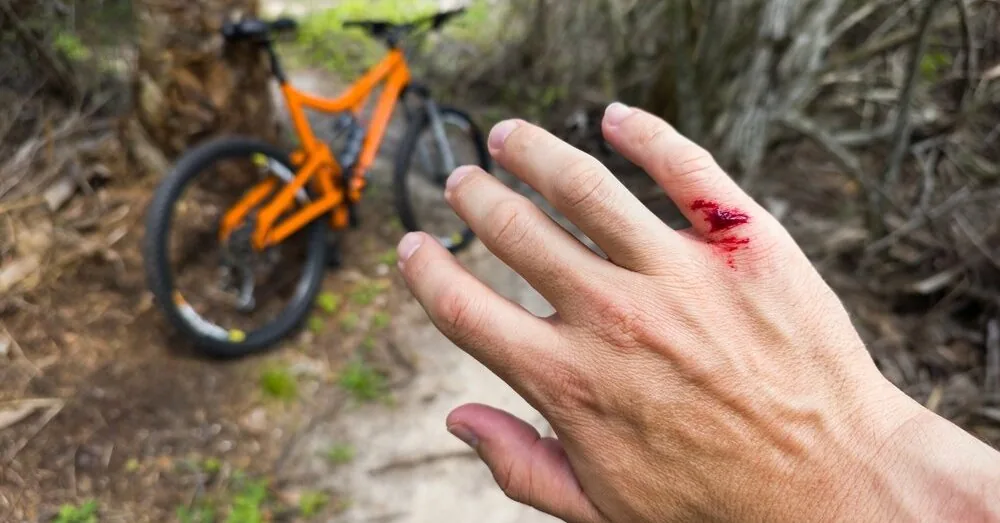
“When actively resting in nature, people relax, so sometimes they become less attentive or hurry. Minor injuries easily occur not only while hiking, running, or cycling, but also when working in the garden or farm. In such cases, it is important to properly care for the wound and assess whether the person has sufficient protection against tetanus,” says family doctor Jurga Dūdienė from the Family Medicine Center of Vilnius Diagnostic and Surgery Clinic “Meliva” in a press release.
The danger is not rust
Tetanus is a rare but very dangerous infectious disease that can cause severe muscle spasms, breathing difficulties, and even death. Although it is not common today due to vaccines, the bacteria that cause tetanus are still widespread in the environment, so the risk of infection remains for everyone.
Tetanus-causing bacteria Clostridium tetani spores are found in soil, dust, and environments contaminated with animal feces. They enter the human body through broken skin, so the risk depends not on whether the object that caused the injury was rusty, but on the nature of the wound and its contamination.

Higher-risk injuries include deep puncture, laceration, and crush wounds, animal bites, open fractures, burns, and frostbite. Scratches contaminated with soil, sand, or other dirt, as well as wounds with foreign bodies left inside, should also be evaluated more carefully.
“You can get infected not only by stepping on an old nail but also by a thorny rose bush, a tree branch, or wire. The risk can also arise from falling off a bike when the skin is scraped on gravel and soil enters the wound. Rust itself does not cause tetanus – this myth probably arose because old metal objects are often left outside and can be contaminated with bacterial spores,” explains the doctor.
According to the doctor, even a small, almost non-bleeding puncture can be dangerous. Such a wound often heals quickly, creating low-oxygen (anaerobic) conditions inside, which are favorable for tetanus bacteria to multiply and produce a dangerous toxin.
More injuries occur on land during hikes
Povilas Pelanis, head of the company “Upių labirintas,” which has been organizing mountain river hikes for over 20 years, emphasizes that an active trip starts even before departure – you need to assess not only your physical readiness and the route’s difficulty but also take care of your health.

“When organizing hikes on mountain rivers, we pay a lot of attention to safety: we provide health insurance, safety equipment for swimming, and remind participants about proper preparation. Before going, we also recommend checking which vaccines are relevant in the specific region, verifying whether previous protection against tetanus and diphtheria is still valid, and getting a booster shot on time if needed,” says P. Pelanis.
According to him, many injuries in mountain rivers happen not while swimming but on land – when inspecting or bypassing dangerous rapids, carrying kayaks and other equipment. Mountain river enthusiasts even joke that the waterman who walks more on land than swims lives longer. However, slippery stones, roots, and branches increase the risk of slipping, puncturing, or scraping here.
Read more “Die Welt”: Germany spoke about preventive strikes against Russia
“In such situations, not only proper clothing and safety equipment are important. Having tetanus protection in advance reduces the risk of serious consequences that even a small injury can cause,” emphasizes the leader.
What to do first when injured?
Before touching the wound, you should wash or disinfect your hands. It is important to stop heavier bleeding with a clean tissue, cloth, or pressure bandage, and if the blood flow cannot be controlled, urgent medical help must be sought.
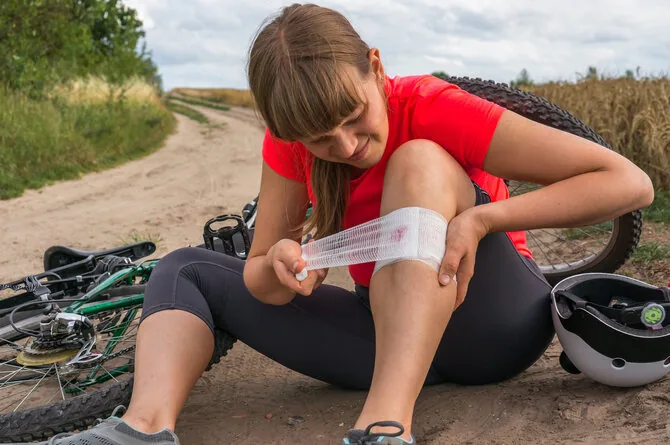
“The wound should be thoroughly washed with clean running water or saline solution, removing sand, soil, and other visible dirt. The skin around the injury can be gently washed with soap. Then an antiseptic for wounds should be applied and the injury covered with a sterile bandage or plaster, especially if the person remains outdoors,” explains J. Dūdienė.
The family doctor points out that some commonly used remedies may not help but hinder wound healing. “Hydrogen peroxide or pure alcohol should not be poured directly into a deep wound. These agents can irritate tissues, damage healthy cells, and slow healing; moreover, they do not destroy tetanus spores. Small, easily accessible splinters or dirt can be carefully removed, but deeply embedded branches, metal pieces, or other large foreign bodies should not be pulled out by yourself. In such cases, it is important to go to a medical facility as soon as possible,” she emphasizes.
When might a vaccine be needed after an injury?
Whether an additional vaccine dose is needed after an injury depends on the nature of the wound and previous vaccinations. If the wound is clean and small, a booster is usually considered when ten or more years have passed since the last dose. For deep, dirty, or otherwise higher-risk wounds, it may be recommended after five years.
As the family doctor notes, if a person does not know their vaccination history, has not been vaccinated, or has not completed the full primary vaccination course, they should seek medical care as soon as possible. There, medical professionals will decide whether a vaccine is needed and, in higher-risk cases, immunoglobulins against tetanus toxin.
“Vaccines received in childhood do not protect for life. The last dose scheduled in the children’s preventive vaccination calendar is given at 15–16 years old, and later adults are recommended to renew protection every 10 years. Therefore, it is worth checking your vaccination history in the e-health system or consulting a medical facility in advance,” reminds J. Dūdienė.
Read more Tragic death of a 20-year-old tourist shocks the USA: died posing for a photo