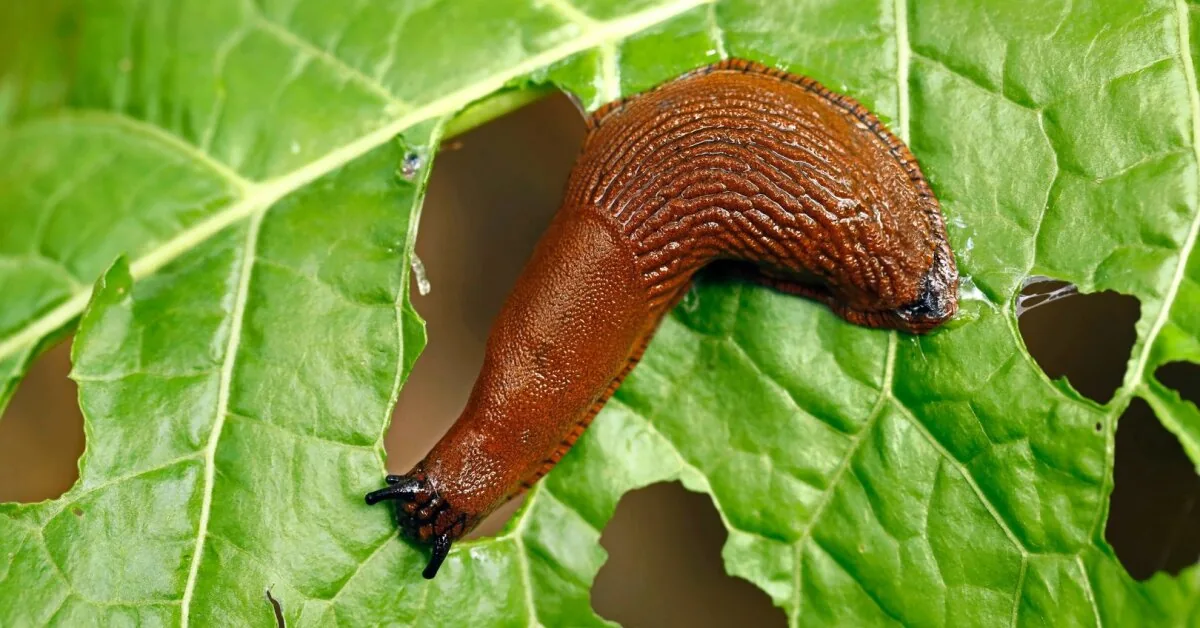
But this time, let’s look at these creatures from a scientific perspective. Dr. Grita Skujienė, Associate Professor at the Life Sciences Center of Vilnius University, answered the most important questions about slugs and shared interesting information about their characteristics – how they reproduce, whether their slime is really dangerous, and what mistakes we humans make that cause the slug population to keep increasing.
Read more Two blood: Tourists in Spain warned about danger lurking on the beach
The scientist says that the Spanish arion is an alien slug species included in Lithuania’s list of invasive species due to a “population explosion” (very intense reproduction), threat to native slugs, and damage to plants. She explained that Spanish arions are included in the invasive species list because they meet three criteria:
1) they were brought, spread, and bred by humans (not necessarily directly);
2) conditions in Lithuania are suitable for them to live and reproduce, hence the “population explosion”;
3) they pose threats to biodiversity and are harmful.
How they spread in Lithuania
Most likely, many wonder how this species ended up in our country? “It was brought by humans with decorative plants (first found in the Kaunas Botanical Garden), but simultaneously spread through many places – from Poland, Denmark, England, Latvia – with various plants, especially potted ones. So, anyone who has alien plants in their garden or homestead, city landscaping, or elsewhere, especially even one pot or plant taken out of a pot – is potentially a slug spreader. This is evident from facts like – if next to a beautiful homestead there is a ‘neglected’ homestead whose residents have left and practically do not appear, the slug influx is not the fault of the ‘neglected’ homestead owners (they did not change, plant, or bring anything), but primarily the beautiful one, because they have plants with which they brought slugs, which found excellent conditions to reproduce in the ‘neglected’ garden,” says scientist G. Skujienė.
She adds that further spread is encouraged by improper human behavior: chasing “foreign” plants, unsystematic and improper problem control, breeding slugs, and irresponsibly visiting slug-infested places.
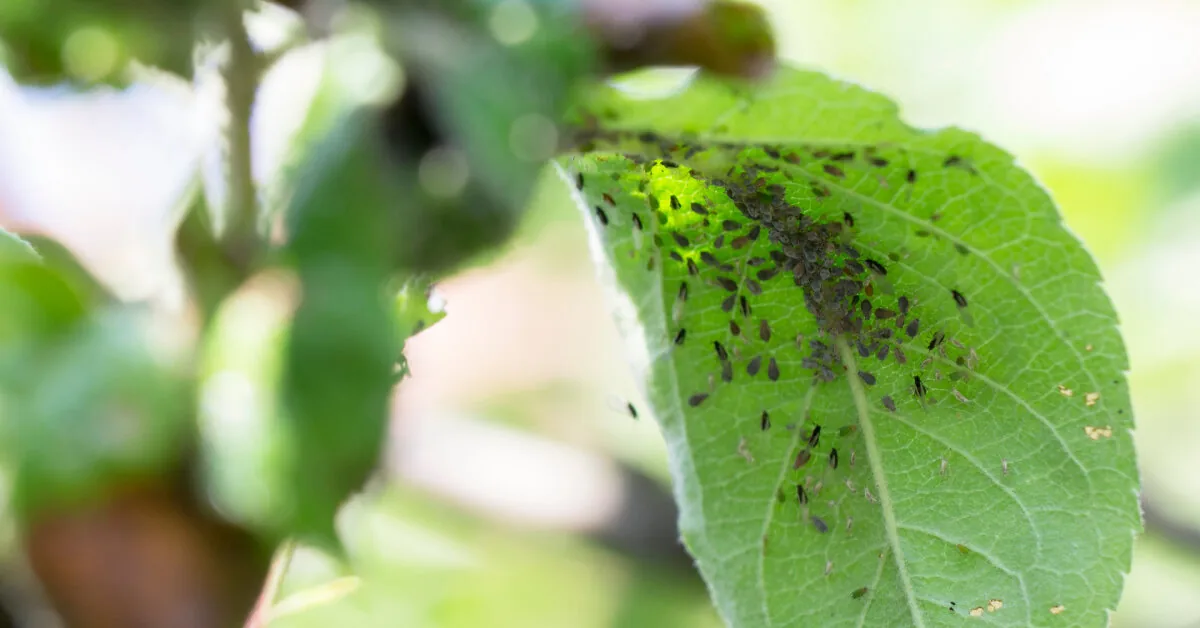
Spanish arions cause significant damage to gardens, vegetable patches, and agriculture. “Slugs compete with humans for the same plants – they eat what people grow for themselves, so people get very angry and suffer losses; moreover, they defecate where they eat and crawl – on plants and elsewhere, leaving slime that is hard to wash off and greatly spoils the aesthetic appearance of agricultural products,” explains the scientist.
Additionally, slugs pose a threat to native plant and animal species. For plants, due to grazing and the transmission of fungal and bacterial diseases; for animals – this concerns large arions (listed in Lithuania’s Red Book), because they crossbreed and the latter produce infertile offspring, thus being displaced. For other animals, slugs are food. And humans (also animals), as mentioned, react to slugs as competitors,” says the scientist.
Found slugs on your plot? What is best to do
Dr. Grita Skujienė says the best way to fight slugs is with smart, tested methods suitable for Lithuanian conditions. She advises avoiding metaldehyde molluscicides, which are already banned in many European countries because they can penetrate groundwater (England contaminated its drinking water) and are toxic to mammals – puppies, hedgehogs, cats, and children can be poisoned.
“If you find invasive slugs on your plot – destroy them immediately, then think wisely about where else they might be found. Start the fight by tidying your territory, giving up potted plants and decorative ‘ornaments’ placed on the ground, managing compost, and so on.
Is it possible to completely eradicate this species in Lithuania?
“No, because most people continue to breed, spread, and behave irresponsibly,” says the scientist.
Interesting facts: how they reproduce and do they eat everything they find?
- Reproduction
As the scientist explains – slugs, like snails, are hermaphrodites. Both slugs and snails exchange sperm during mating and each stores the received sperm in the spermatheca. When the time is right, that sperm fertilizes the eggs and the eggs begin to form.
This is typical for most other land snails. The difference is that, for example, vineyard snails have a love dart sac, whose darts activate the partner, but if the partner is not ready – mating does not occur.
Read more He shrugged and joked, «I’d probably jump farther with one leg.»
In the case of slugs, it has been found that even immature slugs mate and keep the sperm viable until they mature themselves. This is an obvious exception – the immature one does not transfer sperm but accepts it; in this case, only one (the receiver) will lay eggs.
- Is slug slime poisonous?
The slime is not poisonous. It may be “unpleasant” due to its thickness, stickiness, or perhaps some specific “unpleasantness” (this is a common phenomenon in nature).
- Are slugs intermediate hosts of parasites? Should you wash your hands thoroughly after touching them?
Partly, this is a correct statement. People generally need to maintain hygiene – touching a place with bare hands that another person touched is just as risky as in this case. We teach children to wash their hands before putting anything in their mouth; the same rule applies here.
- Are they dangerous to pets?
Arion vulgaris (formerly often called Arion lusitanicus) can be intermediate hosts of certain parasitic nematodes, e.g., Angiostrongylus cantonensis – the so-called rat lungworm. It can cause eosinophilic meningitis (inflammation of the brain membranes) in humans and some animals. However, this species is very limited in Europe and is not considered a common parasite in Lithuania.
In Europe, Angiostrongylus vasorum – the dog heart and lung worm – is much more relevant for dogs. Slugs and snails are intermediate hosts of this parasite, but to get infected, one must eat the slug itself, which must be infected with this parasite.
“I have not heard of such cases in Lithuania. Moreover, if diagnosed early, they are often successfully treated! On the other hand, slugs eagerly eat other animals’ feces (which contain a lot of organic matter) – so they may indeed contain eggs of other parasitic worms ingested with the feces, but even in this case, one must eat the slug. But it should be remembered that beloved pets – dogs – also eagerly eat other dogs’ feces, which can be wild (e.g., foxes, raccoon dogs), so every pet is a potential carrier of parasitic worms, as every day, if they go outside, they can eat infected feces – meaning they can become hosts of, for example, Echinococcus and transmit echinococcosis to humans and other pets through reproductive eggs (again, remember that a normal dog rolls in all kinds of feces to hide its scent). So, for now, pets themselves are more dangerous to each other and their owners than slugs are to pets,” explains the scientist.
- Is it a mistake to sprinkle slugs with salt? Is it true that slugs eat other slugs?
“No, it is not a mistake. The question is what result you expect. Various baits are used to kill slugs – e.g., beer and all kinds of ‘smelly’ organic matter, such as food waste in compost bins and so on. If there are baits – the most important thing is to constantly kill slugs in those places. If slugs are killed and their bodies are used as bait – this is generally a good solution because you don’t need to buy additional substances – just kill them. That means when a slug dies, you need to destroy the one that crawled to the corpse – and keep doing this regularly.
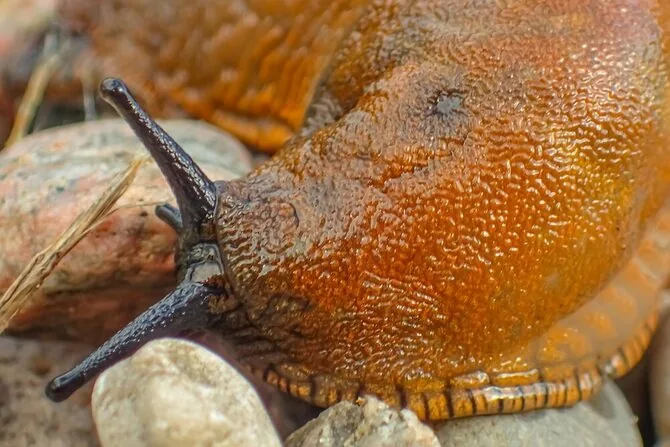
Meanwhile, salt is dangerous because you can turn your homestead into a “salt land,” as there will be many slugs, and Lithuania has frequent rains, meaning the sprinkled salt enters the soil, whether with the dead slug or just sprinkled.
Here I see another problem – both methods kill only adult, “visible” slugs, some of which may have already laid eggs. So, such a fight will be a “fight against windmills” – constant, because people kill only adults (“visible”) and do nothing to prevent slugs from reproducing. To prevent reproduction, a fight two months or even half a year earlier is needed – this would be tidying breeding sites, destroying eggs, freezing compost (turning and uncovering possible shelters during winter frosts), and targeted use of effective (slug-killing) molluscicides in slug breeding sites – for juveniles (just 5-10 mm slugs hatched from eggs), when people say “there are no slugs yet.” They are there if they were last summer, just small and people don’t know how to notice them,” says scientist G. Skujienė.
- Do slugs eat everything, even other slugs and little birds?
According to the scientist, slugs are omnivores. “If a little bird is weak, they can eat it; such cases have been described. But no one knows the condition of that bird. There are no reports of entire broods of parents caring for their young being eaten. Storks also peck and push out weak chicks from the nest – this is a normal phenomenon in the animal world. So, the destruction of such a weak bird is simply a natural cycle in nature,” says G. Skujienė.
Read more Hundreds of millions for the future: why can’t the only such facility in the country afford to stop?