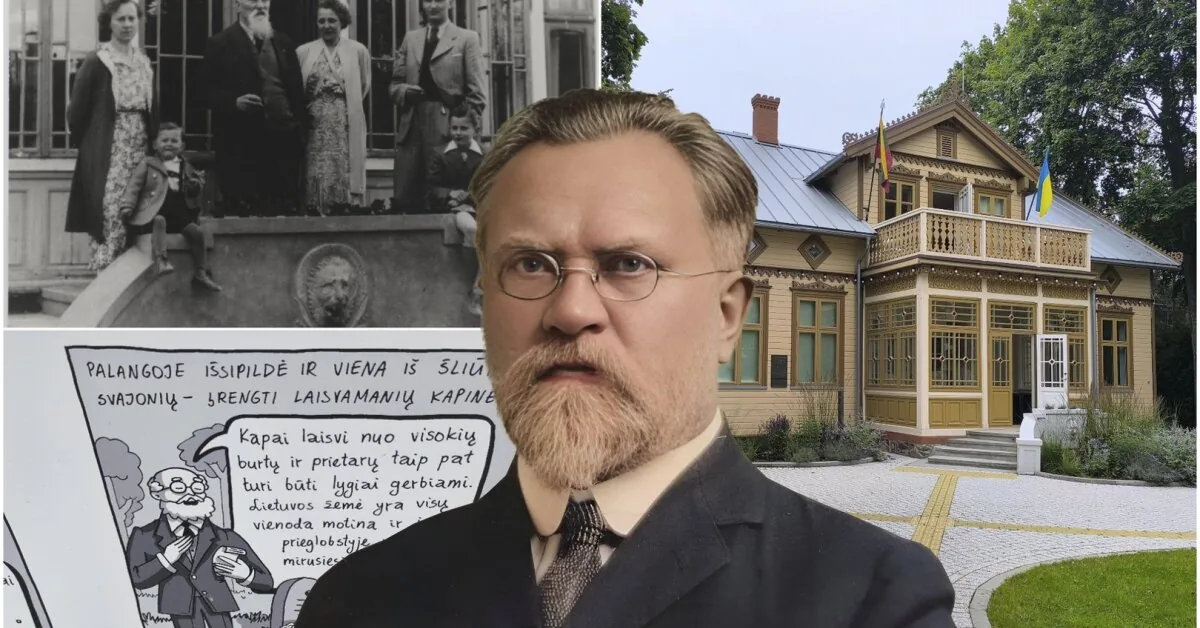
A small wooden house in brownish colors hidden a bit away from the passersby’s eyes on Vytautas Street in Palanga. The building is very old, dating back to the late 19th century. The place where it stands belonged to the Tyszkiewicz counts, so all the villas, including this one, were built here by the counts’ commission.
Read more ASVEL continues to fall apart – another star has found a new team
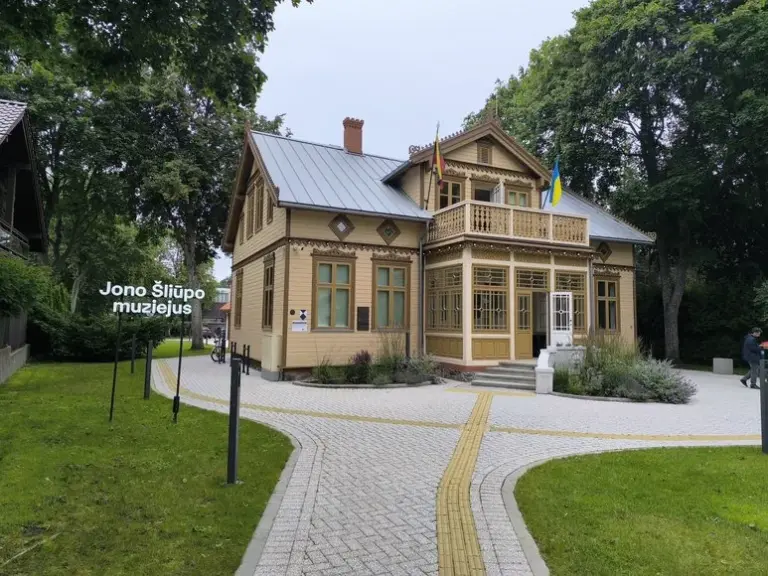
The brownish house was recently renovated – authentic details were restored, for example, the charming veranda.
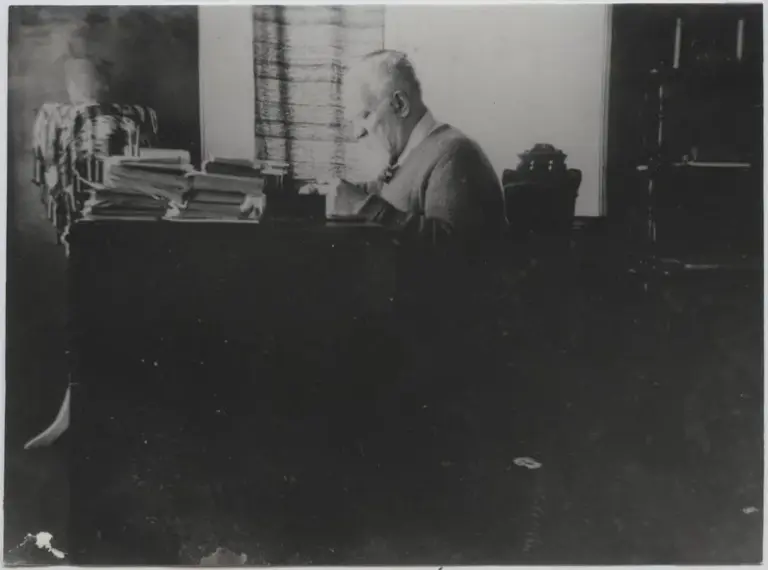
During the Soviet era, this wooden house housed a nursery-kindergarten, a cultural center, the resort inspection, the education department, and even earlier – during the interwar period – one of the country’s most famous personalities, J. Šliūpas, lived here, establishing the first mayor’s office in the resort’s history in one of the rooms (it can be said to be the first Palanga municipality). He worked here, in his own home. The doors of the Šliūpas house were always open to the people of Palanga.
For the past 37 years, the J. Šliūpas Museum has operated in the house, preparing to restore the interior of the Šliūpas family rooms and to create a permanent exhibition telling the story of this personality.
“Previously, we restored the interwar interior as the Šliūpas family lived. Now we have temporary exhibitions. We are waiting for funding – we want to present a permanent Šliūpas exhibition in a somewhat new way, with interactive details.
The historical office of Palanga’s mayor Šliūpas will be restored. In the former bedroom, we will present 33 biographical facts about Jonas Šliūpas. He was a man with a strong backbone. Since the human spine has 33 vertebrae, there will be as many facts. We will exhibit museum valuables more or less related to J. Šliūpas. We hope everything will be set up by the end of this year or the beginning of next year,” – explained Mindaugas Surblys, cultural activity manager-museologist of the J. Šliūpas Museum, to 15min.
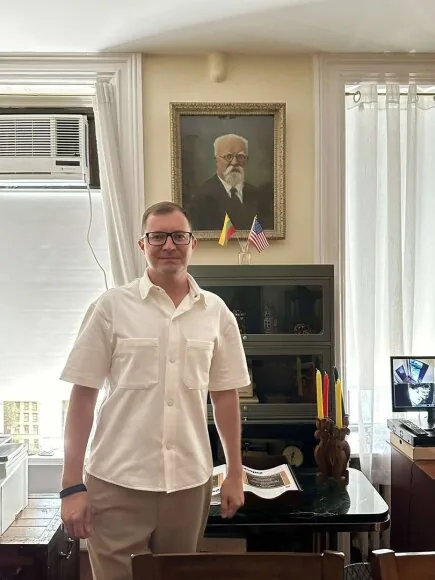
Today, only an outdoor caricature exhibition commemorates J. Šliūpas, and inside the house, until the permanent exhibition is prepared, visitors can view temporary exhibitions on several themes.
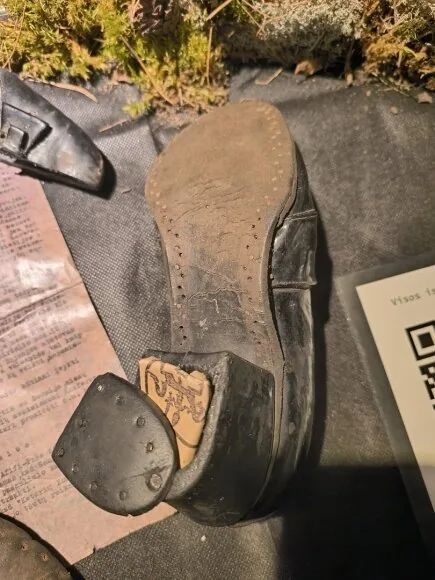
One of them – about Lithuanian partisans – is held precisely in the former bedroom of J. Šliūpas, and the room before it was rented by the Šliūpas family during the interwar period to a resort doctor. So the main business of Palanga residents both 100 years ago and now was renting.
14 selected facts from J. Šliūpas’s life:
1) At 22, he edited “Aušra”. J. Šliūpas, from the Šiauliai region and a Catholic family (he attended the Mintauja gymnasium in Latvia, where four people studied who later became presidents of Latvia, Poland, and Lithuania; however, he was forbidden to study at any university in the Russian Empire), at only 22 years old, became the editor of the first Lithuanian-language monthly “Aušra”.
When Jonas Basanavičius could no longer constantly take care of the publication due to living in Bulgaria, J. Šliūpas took over the editing work. However, he did not always follow J. Basanavičius’s request to send all articles for final approval before printing. J. Šliūpas decided to act independently, including more relevant social, public, and freethinking ideas in the newspaper. It can be said that he changed the ideological direction of “Aušra”.
Together with friends, he tried to obtain permission to publish “Aušra” legally and was expelled from the country for this.
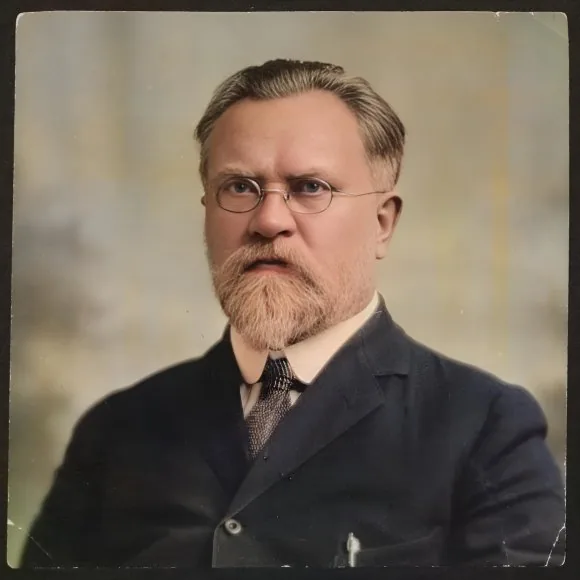
2) He published an alphabet book with his future wife. J. Šliūpas, together with his future wife Liudvika Malinauskaitė-Šliūpienė (considered the first Lithuanian poetess, the only woman whose poems were published in “Aušra”, founded the first Lithuanian theater in the USA), prepared a Lithuanian primer “Abėcėla ir taip mokintuvė dėl vaikų” (“Alphabet and such a primer for children”).
The book published in Tilsit is one of the first Lithuanian primers for children – in it, children learned not only to read and write but also to count and understand the world. This publication significantly contributed to the development of Lithuanian education and the spread of national revival ideas.
In 1890, J. Šliūpas published the work “Lietuviszkiejie rasztai ir rasztininkai” (“Lithuanian Writings and Writers”), considered the first history of Lithuanian literature. This book was one of the first attempts to systematically review Lithuanian writing and its creators.
Read more After a tough set, Swiatek recovered to defeat the Ukrainian, Sabalenka – eliminated