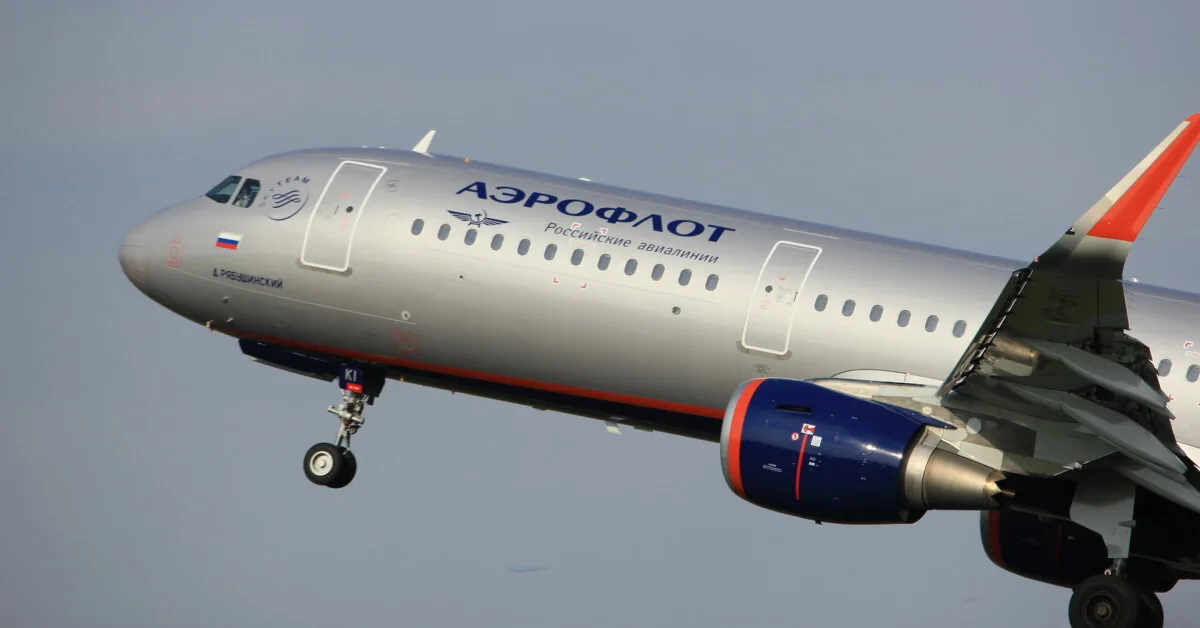
According to a document reviewed by the newspaper “Izvestia,” oil refineries are proposed to be allowed to produce aviation fuel with a freezing point starting from -50 degrees Celsius (instead of the current -60 degrees). It is expected that this will increase fuel production by 170–250 thousand tons per month.
Read more Morgana Danielė gave birth to her second child: chose a name that will perfectly match her brother’s
At cruising altitude of about 11 km, the temperature can reach -50 to -60 degrees Celsius.
Russia has many regions characterized by particularly harsh climatic conditions (Yakutia and the Chukotka Autonomous Okrug), as well as moderately cold areas (Bashkiria, Tatarstan, Chuvashia, Moscow, Saint Petersburg, etc.), where the use of aviation fuel with relaxed freezing point requirements is prohibited.
Also, this fuel is not suitable for military equipment. The formation of crystals in the fuel as the temperature approaches -50 degrees can complicate its supply to the engine, noted a source in the aviation market to “Izvestia.”
Moreover, the Russian Ministry of Transport proposes producing aviation fuel with a locally produced additive instead of an imported one, as well as using ligroin in production. Overall, according to the ministry’s estimates, this should increase fuel production by 1.8 million tons per year.
Wants to employ small oil refineries
Additionally, the government is considering increasing aviation fuel production volumes by involving small and medium-sized oil refineries. However, many of them do not have a sufficiently high technological level for this, noted Igor Yushkov, chief analyst of the National Energy Security Fund.
Read more Meeting the NCAA champions: future NBA stars are coming to Lithuania
Another proposal is to direct aviation fuel produced by the company “Novatek-Ust-Luga” to the domestic market. The plant located in the Leningrad region is one of the largest aviation fuel producers in Russia but is mainly focused on export. According to Maksim Shevyrenkov, head of the Raw Materials Market Analysis Center, the company could additionally supply more than 300 thousand tons per year to the domestic market.
The listed initiatives can to some extent contribute to increasing aviation fuel production, but expecting a sudden surge in volumes that would avoid a deficit is not realistic, believes I. Yushkov. Implementing these measures will take considerable time, so it is unlikely to promptly supply the country with additional fuel quantities, added Oleg Panteleev, executive director of the “Aviaport” agency.
The Russian authorities are discussing ideas to increase aviation fuel production amid a fuel crisis in the country. From June 1 to November 30, the government has already imposed a ban on exporting aviation fuel, reports “The Moscow Times.”
Russian Transport Minister Andrey Nikitin stated that there is no fuel shortage in the country. However, at the end of June, the airline “Azimut” announced a critical situation and asked the authorities to take measures. Prior to that, the Russian government drastically lowered the quality standards for automotive gasoline and allowed the production of “Euro-2,” “Euro-3,” and “Euro-4” ecological class fuels until July 1, 2027.
Read more «Aras» disarmed a dangerous Dzūkian