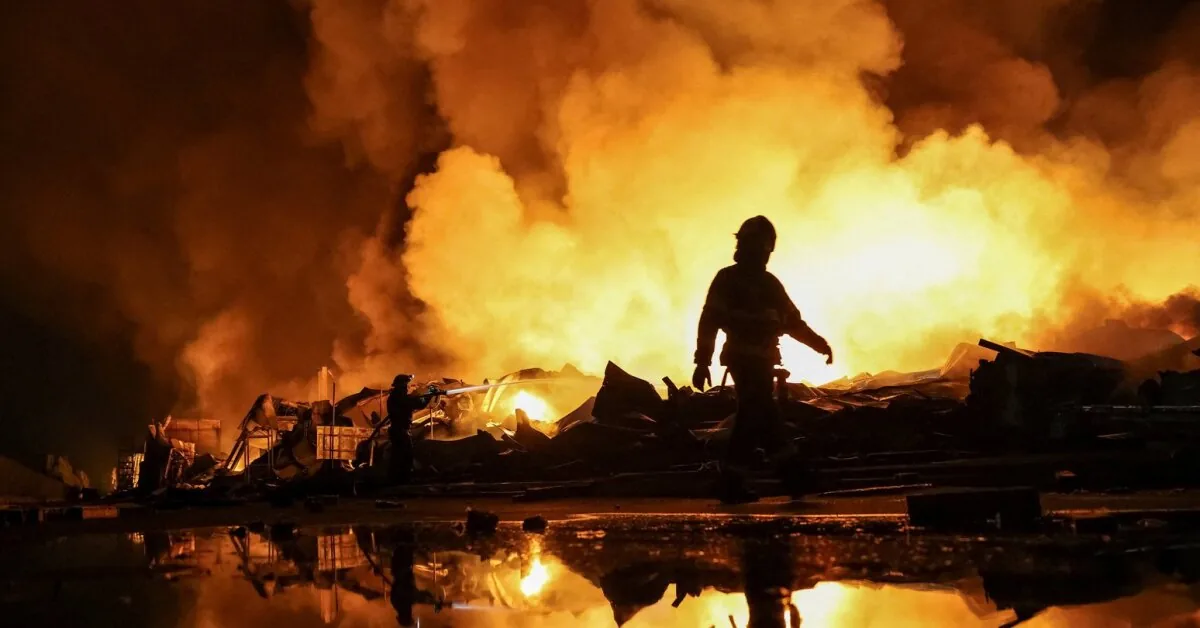
The physical traces of this battle have been etched into the country’s landscape by rockets and drones, but the majority of the fight remains invisible. This is a race for the integration of artificial intelligence and control of the radio frequency spectrum.
Read more „The Battle for England“ will take place on the other side of the Atlantic
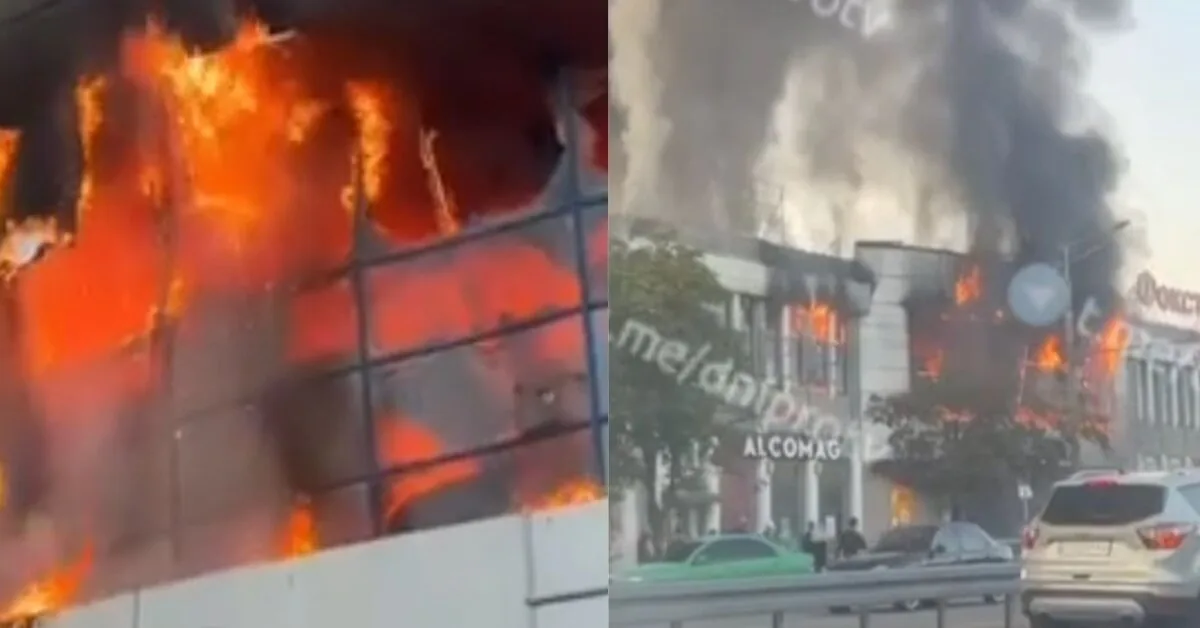
Exploding drones are used by Ukrainian forces to strike Russian oil industry facilities from Siberia to Saint Petersburg and against Russian ports scattered from the Baltic Sea to the Black Sea. Day after day, warehouses of Russia’s online retail giant burn, and occupied Crimea sinks into darkness.
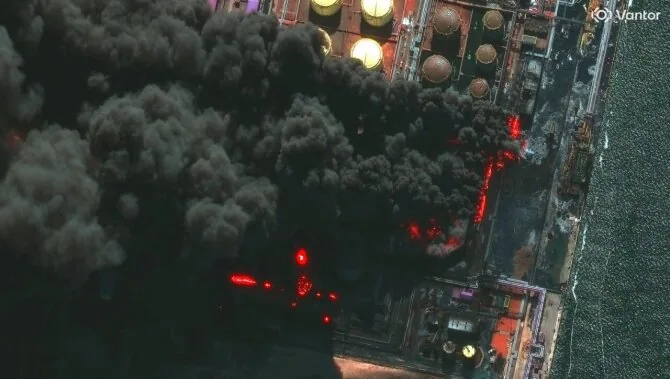
Now Ukraine attacks Russia much more frequently than at the beginning of the war. Kyiv also boldly sends cruise missiles to military targets located hundreds of kilometers from the front line.
At the same time, Russia improves its airstrike records every month, ruthlessly and lethally exploiting the gaps in Ukraine’s depleted air defenses.
In July, Moscow forces launched at least 126 ballistic missiles into Ukraine. According to an analysis of Ukrainian Air Force data by The New York Times, this is the highest figure since the start of the large-scale invasion.
About 400 civilians were killed last month in Russian attacks with cruise missiles and drones – the bloodiest month since April 2022.
A week ago, on Wednesday, just before dawn, 24 ballistic missiles and 4 hypersonic missiles were launched at Kyiv, the capital of Ukraine. The attack killed at least 17 people. According to the Ukrainian military air forces, none of those missiles were shot down.
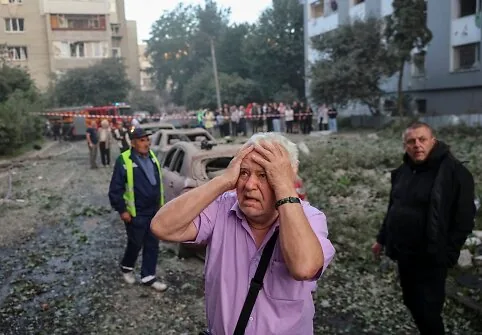
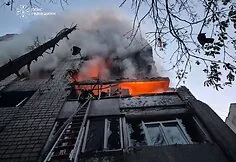
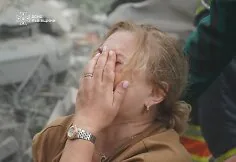
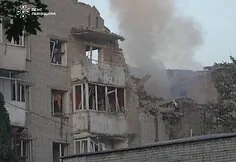
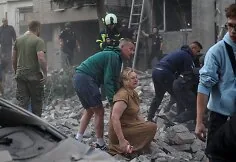
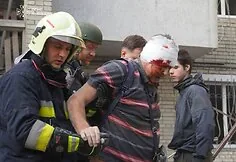
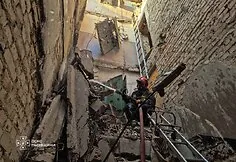
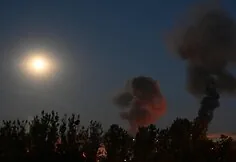
Russian attacks cost Ukraine not only human lives. They forced the country to halt vital grain and steel exports from its seaports. Russian raids also severely damaged already destroyed infrastructure, raising fears for the coming winter, which may again be accompanied by shortages of heat and electricity.
Essentially, the war between Russia and Ukraine is two wars in one.
One of them is fought around the clock by infantry and drone operators hiding in their shelters along more than 1200 km of the front line. Russia still tries to occupy Ukrainian territory, sacrificing tens of thousands of soldiers’ lives each month, and is slowly advancing in the eastern Donbas region.
In turn, Ukraine still defends its territory with its armed forces, which, although outnumbered, strive to reclaim land wherever possible, including in the south.
The other war rolls in waves across the sky. It targets distant cities and military facilities of both countries. It mostly takes place in the darkness of night and is becoming increasingly deadly for both Ukrainians and Russians.
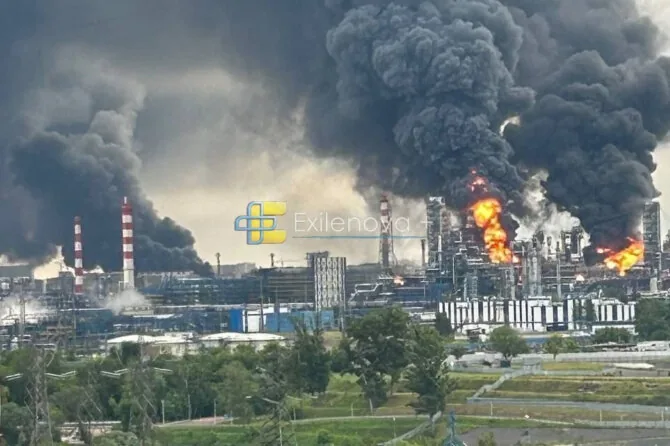
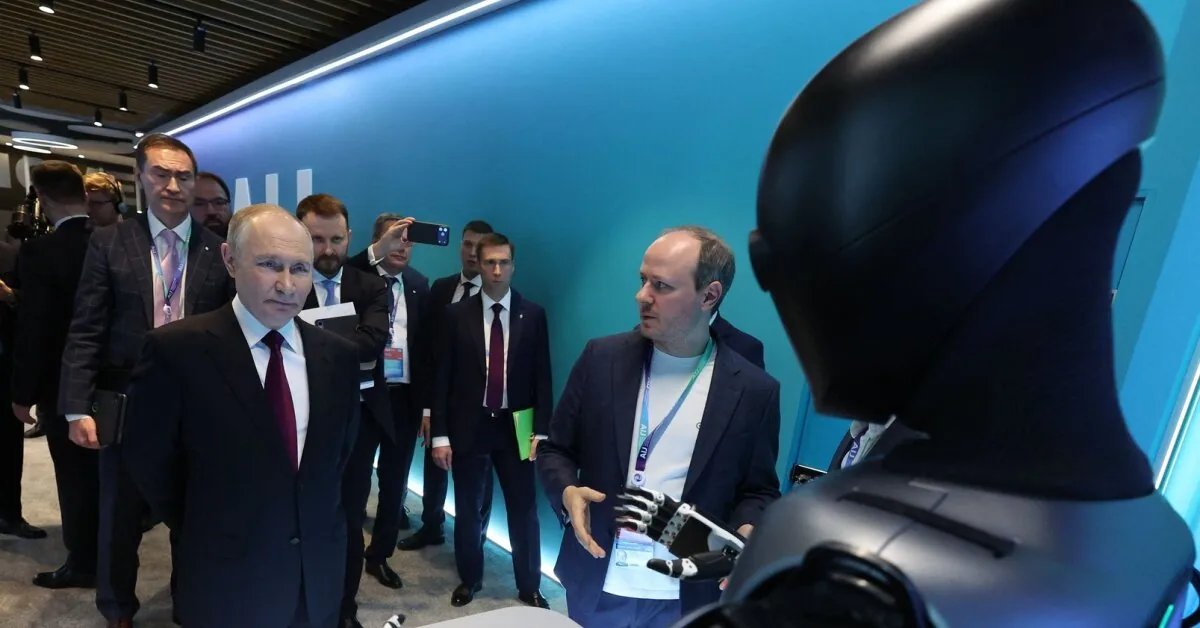
The targets of these air assaults go beyond military objectives. Kyiv aims to further worsen the Kremlin’s economic situation, bring the war closer to the Russians’ own homes, and force Kremlin host Vladimir Putin to agree to a ceasefire on terms not set by himself. For Moscow, this is a continuation of a long-standing campaign to break the fighting spirit of Ukrainians and make cities uninhabitable.
With both sides increasingly producing much more innovative weapons than ever before, battles in the air are only intensifying.
Now Russia is installing jet engines on cheap drones modeled after the Iranian „Shahed“, launching satellites that help guide weapons, and deploying inexpensive cruise missiles that fill the gap between slow attack drones and advanced strategic missiles.
Russian fighters fire satellite-guided bombs that systematically sweep towns and cities from the ground.
Ukraine is expanding its arsenal with constantly improved drones and missile-drone hybrids with advanced navigation and communication systems, allowing them to strike with much greater accuracy across the Russian Federation.
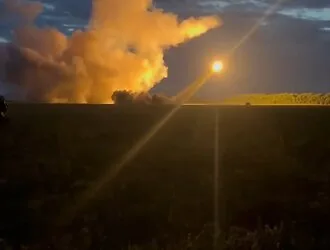
President Volodymyr Zelensky promises that there will be many more attacks, currently testing the first domestically produced ballistic missiles in Ukraine.
Both countries have integrated new methods to resist electronic jamming and are deploying autonomous systems that direct weapons to targets without human intervention.
Although both Russia and Ukraine are rapidly expanding their offensive weapons arsenals, their air defense systems struggle to keep pace.
Ukraine faces a critical shortage of American-designed Patriot missile interceptors – the country’s only air defense against Russian ballistic missiles.
Read more Eišiškės elder after the storm: «Residents are in shock»
Although V. Zelensky has ordered his diplomats to make every effort to convince allies to deliver more Patriot missiles, the war in Iran has depleted global stocks of these missiles and made this task even more difficult. Meanwhile, President Donald Trump reversed his promise to allow Ukraine to start producing Patriot missiles itself in the coming years.
The main challenge for Russia is defending a vast territory, which in past wars was an advantage but now, with Ukraine striking massively with long-range attack drones, has become a painful weakness.
By modifying software, equipment, and tactics, Kyiv has opened gaps in what was until recently considered the strongest air defense network in the world.
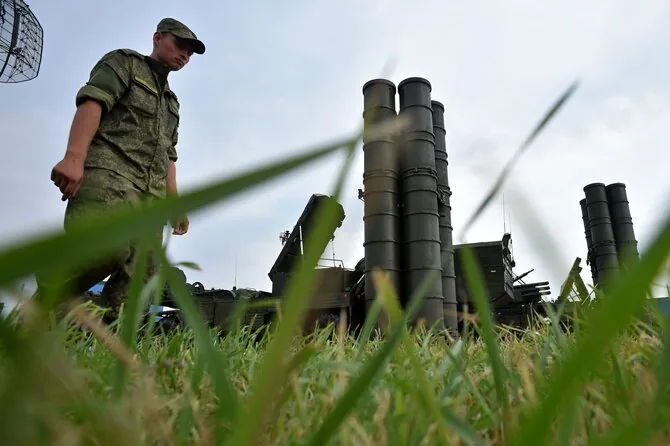
Anatoliy Khrapchynskyi, a reserve officer of the Ukrainian Air Force and military analyst, noted that before starting the large-scale war in Ukraine, the Russians relied on deterrence provided by their nuclear weapons arsenal. According to him, the air defense systems “could protect only about 40% of their strategic military targets.”
When the invasion stalled and Russia failed to secure air superiority, Russian military commanders hurriedly began moving air defense systems like Pantsir and Tor closer to the border with Ukraine. While this protected the front line, it left military bases and industrial centers in Russia’s rear unprotected.
As analysts note, now every destroyed air defense and radar system forces Moscow to choose: protect the front or defend targets inside the country.
“Russia’s challenge is essentially geographic,” assessed Justinas Bronkas, senior researcher at the Royal United Services Institute (RUSI).
“When Ukraine forces Russia to pull systems away from the front line to protect cities or oil refineries in the rear, gaps open everywhere,” the expert said.
Although Russia’s air defense shield is still quite strong, constant pressure has fractured it into isolated defense lines. Meanwhile, Ukraine takes advantage of this by attacking both targets deep inside Russian territory and closer to the front line, trying to weaken Russia’s logistics network.
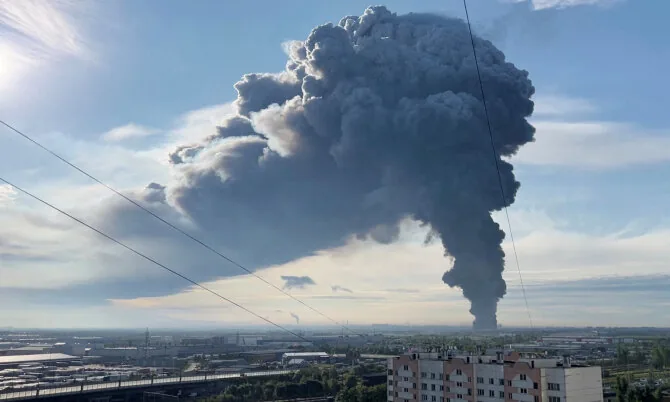
The June attack on Moscow’s central oil refinery, after which thick black smoke columns hung over the Russian capital, revealed that even the Kremlin’s main fortress can be breached.
Analysts believe that as Kyiv expanded its target list to include logistics centers of Russia’s Wildberries trading platform, Moscow was forced to reconsider its defense force deployment once again.
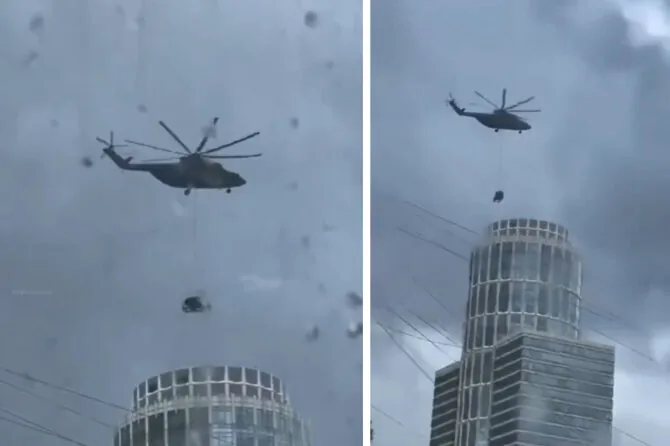
Russia is trying to patch emerging gaps by resorting to temporary measures. Recently, Pantsir air defense system batteries were installed on the roofs of the tallest buildings in Moscow to ensure better visibility. Warships were sent to Murmansk to protect the northern regions.
Ukrainian commanders have also noted changes in their own defense doctrine. Instead of waiting for centralized approval, pilots are authorized to deviate from planned mission objectives if they see an opportunity to strike a priority target, such as a Russian radar or missile launcher.
There is one area where Ukraine cannot match Russia – industrial production. Moscow produces thousands of standardized attack drones, decoy drones, and cruise missiles. Ukrainian intelligence has calculated that Russia produces about 120 ballistic missiles per month, exceeding the total production volume of US Patriot missile interceptors.
Ukrainian officials claim that Russia supplements its weapons arsenal with missiles from North Korea. Kyiv tried to prove this by presenting details collected from debris after last Thursday’s strike on Kryvyi Rih city, where an entire family of 10 was killed.
Moscow is also developing its own drone interceptors, which Ukraine already uses successfully, and still has a considerable stock of complex S-400 and S-300 air defense systems.
It is crucial that Russia’s defense industry sector is supported by sanction-resistant supply chains. They cleverly use foreign countries’ microelectronics and China’s dual-use technologies, allowing them to adapt their systems.
Russia’s strategy is based on cold calculation: it hopes to exhaust Ukraine’s defense before its own defense network collapses.
Read more Melodrama ended – Vinicius stays at Madrid’s «Real» club, salary revealed
This article was published in The New York Times.
© 2026 The New York Times Company