





Jesus answered, “There is no need for them to go away. You give them something to eat.” They replied, “We only have five loaves of bread and two fish here.”
Read more Iranians deny Donald Trump’s statement: we never asked for that
Jesus said, “Bring them to me.” And, having told the crowd to sit down on the grass, he took the five loaves and two fish, looked up to heaven, said a blessing, broke them, and gave them to the disciples, who distributed them to the people. Everyone ate and was satisfied. And they gathered the leftover pieces, twelve baskets full in total. And there were about five thousand men who ate, besides women and children.
(From the Gospel according to Matthew 14:13–21)
“Everyone ate and was satisfied”
For thirty-three years, Jesus lived a private life in Nazareth. Together with his guardian Joseph, he worked so that the family could live at least modestly. On Saturdays, like all good Israelites, Jesus went to the synagogue in Nazareth to pray and listen to the explanation of God’s word.
This secluded life continued until his baptism in the Jordan River. From then on, Jesus would proclaim the Good News about the Kingdom of God. The news about the new Teacher of Galilee, who not only teaches but also performs wonderful works, spread and attracted ever-growing crowds of people.
One day, Jesus received news about the murder of John the Baptist. Sensing danger, Jesus withdrew to the wilderness. However, people found Jesus there as well and followed him.
The listeners were so captivated by Jesus’ teaching that even when evening came, they did not disperse to their homes. Jesus’ disciples were concerned and advised him to send the people away so they could rest and eat. Jesus did not listen to the disciples and ordered them to feed the people. We can easily imagine the disciples’ confusion upon hearing such an order from Jesus. The evangelist Matthew tells about the miracle performed by Jesus – feeding five thousand men with five loaves of bread and two fish (see Mt 14:13–21).
The day after the miracle of multiplying the bread, in the synagogue of Capernaum, Jesus said: “I am the living bread that came down from heaven. Whoever eats this bread will live forever. The bread that I will give is my flesh for the life of the world” (Jn 6:51).
Hearing these words, many of Jesus’ listeners said, “His words are hard; who can listen to them?” (Jn 6:60), and from that time on, they no longer followed Jesus. Then Jesus asked the twelve disciples, “Do you also want to leave?” Simon Peter answered, “Lord, to whom shall we go? You have the words of eternal life. We have believed and have come to know that you are the Holy One of God” (Jn 6:67–69).
The miracle of multiplying the bread was like an introduction – preparing people for an even greater miracle.
The miracle of multiplying the bread was like an introduction – preparing people for an even greater miracle, when Jesus will feed them not with multiplied bread, but with his Body and Blood.
Before his suffering, Jesus invited the disciples to the Upper Room for the Last Supper, gave a farewell speech, and instituted the Eucharist.
The evangelist Luke describes the institution of the Eucharist as follows: “Taking bread, he gave thanks, broke it, and gave it to the apostles, saying, ‘This is my body, which is given for you.’ Likewise, after supper, he took the cup, saying, ‘Take this and drink from it, all of you, for this is the cup of the new covenant in my blood, which is poured out for you. Do this in remembrance of me'” (Lk 22:19–20).
The Church carries out Jesus’ command to do this in his memory and celebrates the Eucharist – the Holy Mass. During the Mass, people are first fed with the Word of God, when passages from the Holy Scripture are read.
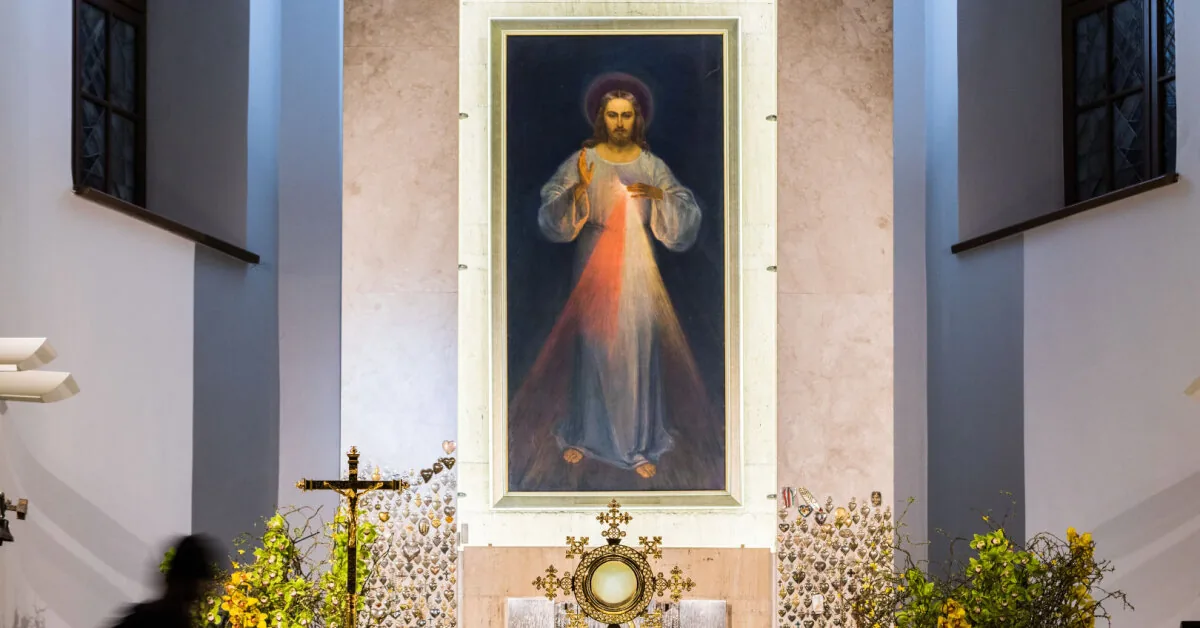
The climax of the Mass occurs when the priest or bishop takes the bread and, by Jesus’ command, says the words: “This is my body”; then, taking the cup of wine, says: “This is the cup of my blood, which is poured out for you.” When these words are spoken, the consecrated bread and wine become the true Body and Blood of Jesus, which the priest celebrating the Mass and the participants receive.
The climax of the Mass occurs when the priest takes the bread and says the words: “This is my body.”
Sometimes we become accustomed to the mystery of celebrating the Eucharist and do not always experience that mysterious act of the Mass, during which we are fed with the Body and Blood of Jesus.
This Sunday is an opportunity to reflect on the miracle of multiplying the bread and to thank God that we are fed with the heavenly Bread, which is the Body and Blood of Jesus.
Read more After the heavy rain – important announcement from «Maxima»: this store is closed
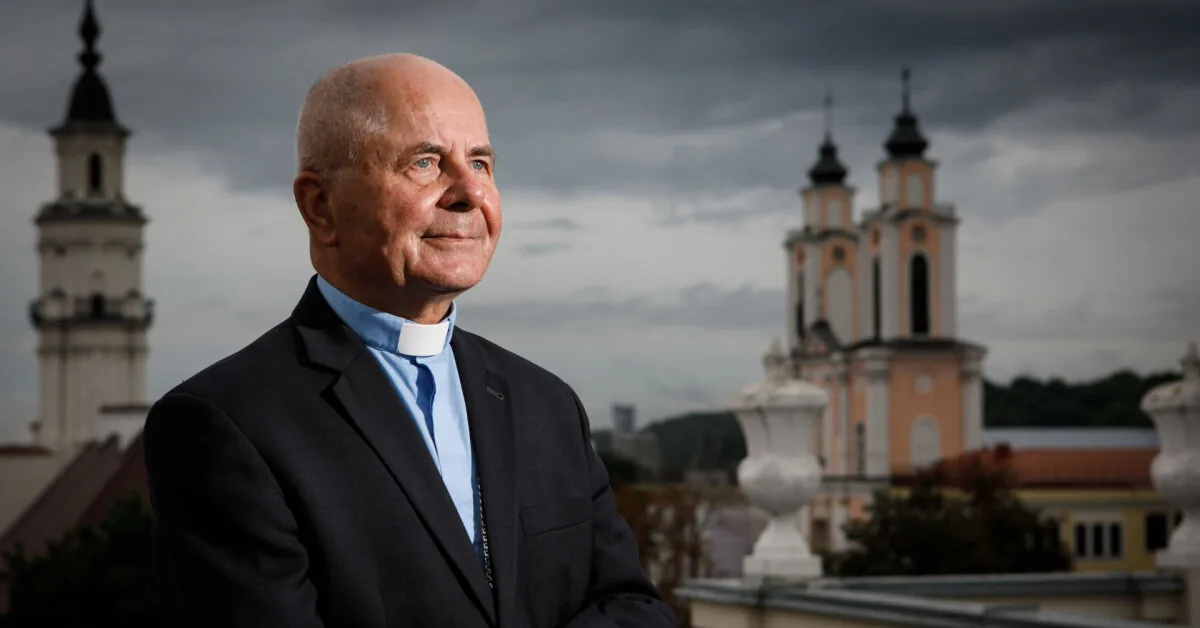
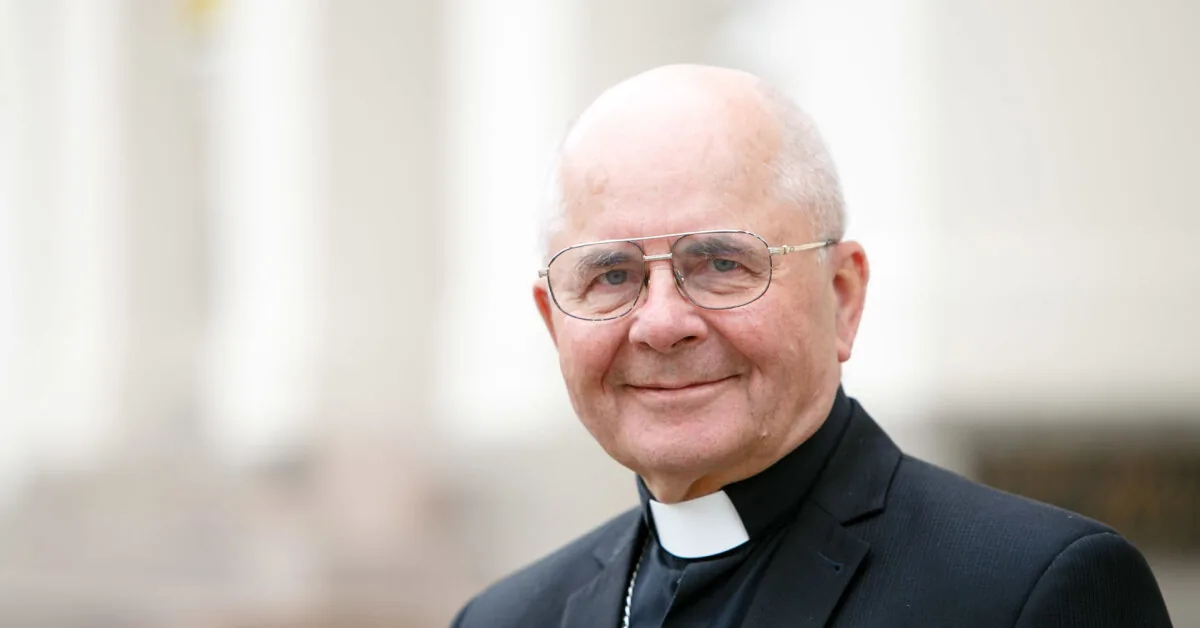
Cardinal Sigitas Tamkevičius