




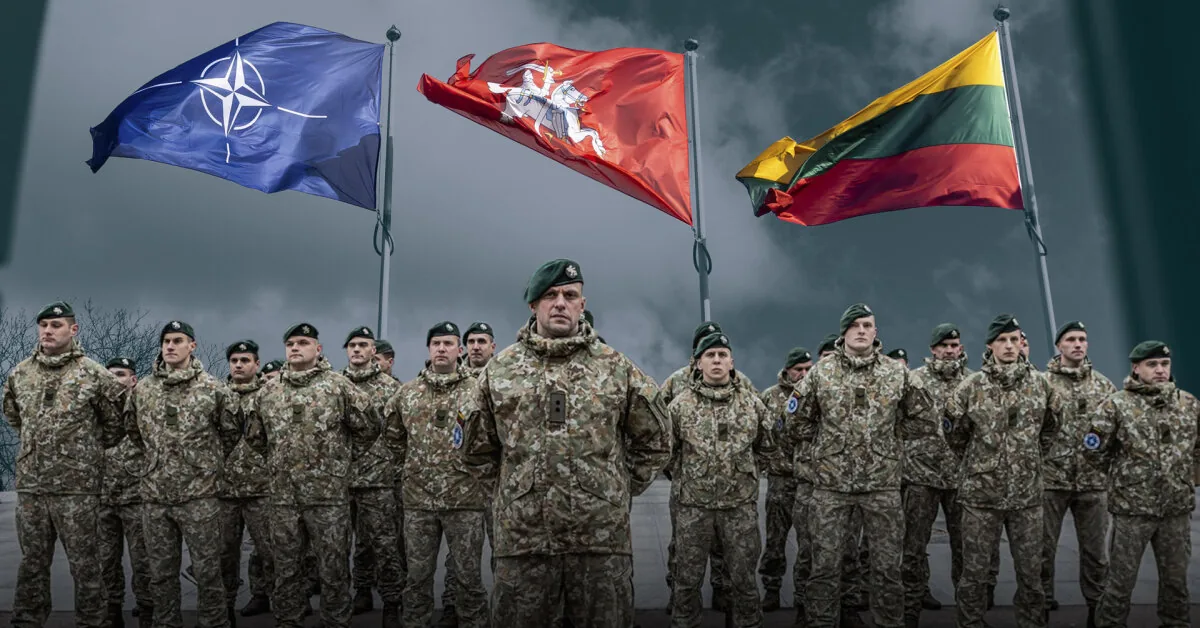
It is noted that, considering the threat posed by Russia, NATO is considering the possibility of deploying US nuclear weapons on European territory. Poland, Finland, and Lithuania are mentioned among the potential countries.
Read more Russia resorted to a sudden rescue plan – enlisted Morocco
The publication noted that Poland plans to join the Nuclear Sharing program, Finland has lifted the historic ban on importing and transiting nuclear weapons, and the Lithuanian Parliament is considering a bill that would lift the ban on deploying nuclear weapons.
Moreover, NATO Secretary General Mark Rutte confirmed to journalists that the Alliance is indeed discussing the possible adaptation of its nuclear capabilities. However, he refused to disclose details.
US nuclear weapons expert Robert Peters told journalists that within the next 24 months, the United States may strengthen its nuclear presence in Europe. In his opinion, it would be appropriate to additionally deploy between 100 and 150 non-strategic nuclear weapons. He added that this might require building new storage facilities in Poland and Finland.
However, former NATO nuclear policy director Jim Stokes told journalists that from a military perspective, moving US nuclear weapons closer to the Russian borders is not necessary. He added that the same tasks could be carried out from bases in Western Europe.
Earlier, German Space Forces commander Major General Michael Traut stated that the possibility cannot be ruled out that Russia is developing technology allowing a nuclear warhead to be launched into space. According to him, the use of such a weapon in space could paralyze satellite operations and make part of the orbit unusable for decades.
Germany aims to make space one of the main pillars of its defense policy. This strategy includes protecting outer space and limiting adversary activities in space. M. Traut added that effective deterrence must also include an offensive component and the ability to seize the initiative.
Read more A squall with lightning swept through Joniškis: wind rose, hail fell