








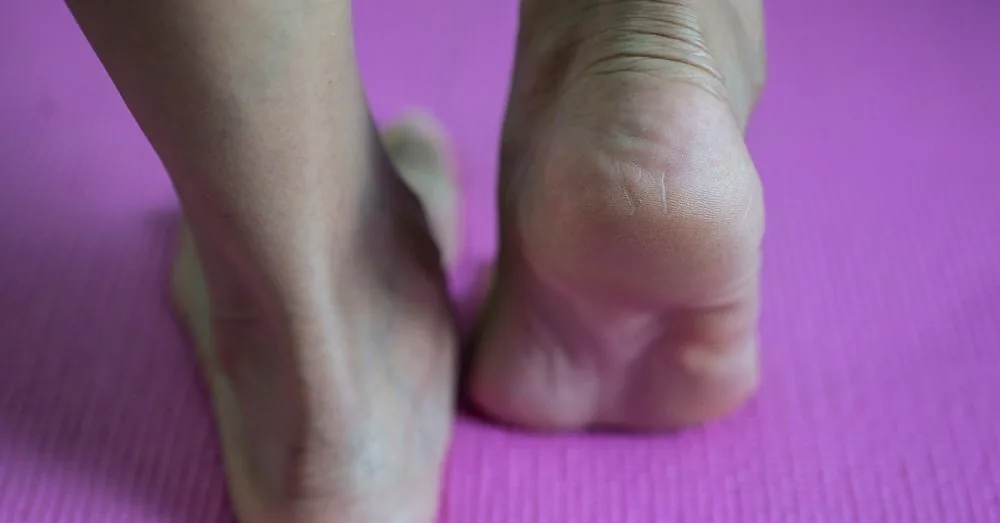
First, let’s define what it means to walk barefoot: according to specialists from various fields, walking barefoot means being without shoes and socks, as reported by the “Huffington Post”.
Read more The 35th anniversary of the Medininkai massacre is commemorated in Lithuania
“Being barefoot is direct skin contact with the ground,” explained licensed clinical podiatry specialist Dr. Robert Conenello. “Wearing footwear is a completely different matter, as even socks change the mechanics of movement. I strongly support the idea of walking barefoot at home. It strengthens the intrinsic foot muscles.” He explained that the main benefit of walking barefoot is strengthening the foot muscles; these muscles tend to weaken “with age and constant shoe-wearing.” They are closely related to our overall mobility, so their weakening in older age can lead to reduced movement.
“Many of the pathologies I encounter in my practice arise because these muscles are not engaged in normal movements and do not ensure effective metabolism,” added R. Conenello. Dermatology specialist Dr. Hannah Kopelman agreed with this general opinion and also mentioned that walking barefoot at home can provide unexpected benefits for the skin of the feet.
“Walking barefoot at home allows the skin to breathe, which can help prevent moisture buildup and reduce the risk of fungal infections, such as athlete’s foot,” she explained. Although this is not directly related to dermatology, walking barefoot at home can also provide other skin benefits related to sensory stimulation and overall well-being.
“Feeling the texture of different surfaces under the feet can provide stability and relaxation – it’s like a short reflexology session,” said H. Kopelman.
In short, the decision to walk barefoot in clean homes without shoes and socks helps strengthen the feet, provides long-term benefits, and at the same time reduces the risk of skin problems. Additionally, it offers a kind of natural massage that can be surprisingly relaxing.
However, there are some possible drawbacks
One possible drawback of walking barefoot indoors is increased exposure to irritants or allergens such as dust, pet dander, or cleaning product residues, said H. Kopelman. For individuals with sensitive skin or chronic conditions such as contact dermatitis or eczema, this can be a significant concern.
While R. Conenello acknowledges a similar risk – for example, stepping on pathogens like fungi in a damp environment – he is quick to emphasize that “proper hygiene can help reduce this risk.” “Wash your feet often, dry them thoroughly, and moisturize,” he advised.
Read more Court: “Achemos” complaint about the LNG tax was rightly dismissed
Another painful risk associated with walking barefoot is the possibility of slipping on slippery or wet surfaces or stepping on something hard and sharp, which can cause injury. Anyone who has ever stumbled or accidentally stepped on a block can attest to this. H. Kopelman emphasizes that individuals with diabetes or poor circulation are more vulnerable to severe consequences because “even a minor foot injury can cause serious health problems.”
H. Kopelman also noted that while walking barefoot can help strengthen muscles, constant walking on hard surfaces can cause foot fatigue or plantar fasciitis. “Over time, the lack of cushioning can increase the load on the joints, especially for those who already have foot or joint problems,” she explained.
There are cases when shoes or socks should be worn
Although R. Conenello generally advocates for walking barefoot, he advises wearing supportive footwear when standing for long periods – for example, while cooking. “Standing barefoot for a long time can put excessive strain on one part of the foot,” he said.
Of course, there is a “golden mean” – socks. According to R. Conenello, “there is nothing wrong with wearing socks.” It just reduces the benefits gained from walking barefoot. “There is like a filter between the ground and the foot,” he said.
H. Kopelman added that socks can provide “minimal protection from minor abrasions or allergens but still allow the feet to feel quite free.” Wearing socks also reduces direct contact with surfaces that may contain bacteria or irritants. Considering all the pros and cons, walking barefoot at home – especially on clean and well-maintained floors – is not only safe but generally healthy, unless you have skin problems (such as psoriasis, eczema, or athlete’s foot) that bacteria could exacerbate.
“Also, people with diabetes, neuropathy, or poor circulation should avoid walking barefoot due to the increased risk of unnoticed injuries or infections,” said H. Kopelman. It seems the best solution is to walk barefoot selectively. The key is moderation