Many hotel managers, real estate developers, and even representatives of investment funds still view electric vehicle charging stations as a small, perhaps pleasant addition to the overall hospitality service package. Often, it is seen as a non-profitable capital expense, the installation of which only creates additional headaches. However, the numbers and market reality show quite the opposite.
Read more Last chance this summer: a specialist advises which herbs you can still gather in the forests
Traveling constantly across Lithuania, Latvia, and Estonia and trying the latest cars, I clearly see how my own and other travelers’ habits are changing. Today, modern charging infrastructure is no longer just a polite hotel gesture. It has become a direct revenue driver, fundamentally changing the rules of commercial property valuation and hotel competitiveness.
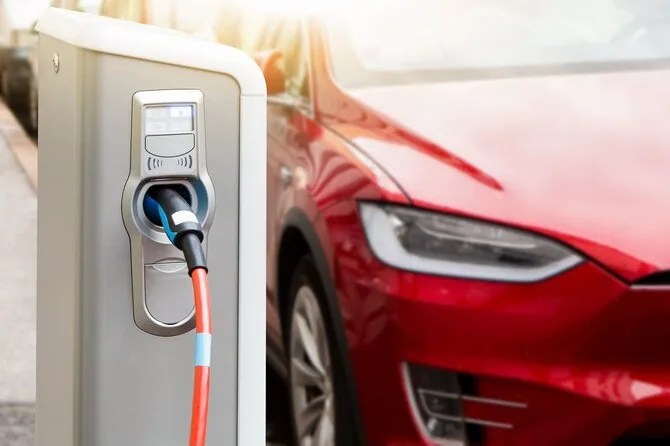
An invisible but powerful revenue driver
Sector analyses and my personal conversations with investors confirm that smart charging access directly correlates with one of the most important hotel business indicators – revenue per available room (known professionally as the RevPAR indicator). Electric vehicle drivers, planning their trips, already actively choose only those places that can offer reliable and fast overnight charging.
If a hotel does not have this service, it is automatically and mercilessly crossed off the potential clients’ list. It is estimated that the global hotel electric vehicle charging station market is growing at a tremendous pace – the projected compound annual growth rate exceeds 20 percent. Analysts predict that from about 1.1–1.5 billion dollars in 2024, this specific market could grow to 9–13 billion dollars by 2033.
Moreover, accommodation providers openly state that guests directly inquire about electric vehicle charging options, and if they do not receive a positive answer, they often simply cancel their reservation.
The physics and travel logic here are very simple. Drivers are interested in two main formats. The first is slower but infrastructure-wise simpler Level 2 alternating current charging overnight. It allows the guest to sleep peacefully, rest, or spend time in the hotel restaurant while the car battery safely and fully charges overnight.
The second is ultra-fast Level 3 direct current charging. It becomes indispensable when a client arrives only for a business lunch, a short SPA session, or a few hours meeting and wants to recharge their energy reserves as quickly as possible during that time for their further journey.
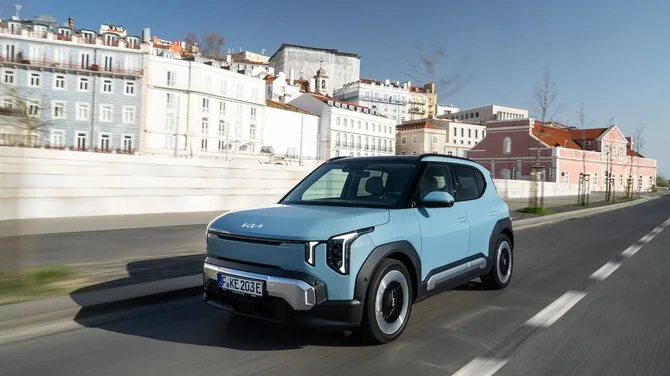
Without either of these functional solutions, hotels and resorts lose revenue not only from the stay or rental itself but also from all possible additional services that the guest would have purchased during their visit.
Higher revenue segment and brand evolution
It is also important to understand who these new-generation travelers are. The demographics of electric vehicle drivers represent a particularly attractive and profitable segment for luxury and higher-class hotels. Analyses show that these consumers usually have a high level of education, and their household incomes often exceed the national average by up to twice. These are private individuals and business representatives who are not inclined to compromise on comfort, especially when it comes to smooth travel over long distances in the variable weather of the Baltic countries.
Today’s affluent travelers arrive at resorts or business centers in the most advanced and innovative models. For example, the market sees distinctive cars like the Porsche Taycan or the very spacious seven-seater Kia EV9, whose owners have very specific and strict expectations regarding the accommodation infrastructure.
Read more In the Vilnius fountain for toddlers – extremely dangerous children’s games

Such top-class electric vehicles, characterized by large-capacity batteries and long-distance travel comfort, require reliable, high-quality charging equipment that allows continuing the planned route the next morning without any surprises or disruptions. It is precisely the needs of these exclusive and demanding guests that today fundamentally shape new hospitality standards in our region.
By providing the opportunity to conveniently charge the battery, hotels win multiple times. First, they not only attract these clients and can easily include the operating costs of the charging station in the so-called “premium” room rate but also create long-term, predictable additional revenue streams. The time a guest spends calmly on the hotel premises knowing their car is safely charging naturally turns into additional expenses – secondary revenues for restaurants, cafes, beauty and wellness centers, or conference spaces. Properly planned and implemented infrastructure and smart payment systems allow this process to become fully automated and a mechanism generating a high-profit margin for owners.
Property value leap and sustainable investments
Another essential aspect that commercial property developers must not ignore is the direct impact of charging stations on the building’s value and its attractiveness in the eyes of financial institutions. Hotels, office complexes, and other commercial buildings with developed and networked charging infrastructure significantly improve their environmental, social responsibility, and governance ratings (better known in business as ESG).
A higher sustainable operation rating nowadays is certainly no longer just another nice certificate hanging in a frame above the reception desk or printed in the company’s annual report. It genuinely helps companies obtain more favorable green financing conditions from banks and improves the loan-to-value ratio, which financial institutions call the LTV indicator. Market data clearly shows that such targeted and balanced investments in ecology and sustainability can increase the overall commercial real estate value by 10 to 20 percent. These are huge and very tangible amounts, especially when evaluating large commercial properties or entire hotel chains.
It is also interesting that the modern automotive industry has sensed this sustainability trend and started actively integrating it much earlier, harmoniously combining it with luxury, technology, and modernity segments. For example, high-quality electric vehicle engineers and developers make great efforts transitioning to circular economy models based on material recycling.
This is clearly visible and felt when evaluating manufacturers becoming new market standards, such as Kia, whose EV3 and EV4 electric vehicle models extensively use interior materials made from recycled plastic waste, natural plant fibers, and other eco-friendly raw materials. This not only significantly reduces carbon dioxide emissions in the production chain but also creates a unique, eye-pleasing aesthetic demanded by today’s luxury goods consumers.
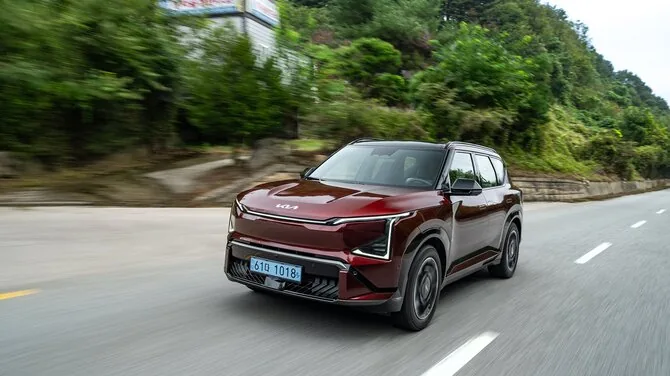
Moreover, arriving with particularly powerful, technologically advanced, and fast models such as the Porsche Taycan or Kia EV6 GT, drivers reasonably expect to find hotel infrastructure that meets the highest power and software reliability standards. This shared sustainability and innovation philosophy dictated by advanced car manufacturers today perfectly aligns with the sustainability principles and strict internal regulations of top-class international and local hotel chains. This ecological ecosystem ultimately creates a very clear and tangible added value both in the financial balances of real estate developers and in the personal and business travel experiences of private capital clients throughout the Baltic region.
Long-term perspective and advice
Having communicated for a long time with representatives of the transport and technology innovation sectors, I see one clear rule – those businesses that can quickly adapt to consumer habits always win. Although at first glance, installing electric vehicle charging stations may seem like a large initial investment requiring additional design and electrical grid capacity coordination, in the long run, it becomes an integral part of any successful, future-oriented business strategy. The arriving guest’s expectation to find a suitable place for their electric vehicle today already equals the expectation to find fast and free wireless internet in the room. If it is not there – the next visit most likely will not happen either.
My advice to commercial real estate managers, hospitality sector leaders, and developers would be very simple: do not wait until smart electric vehicle chargers become a mandatory requirement under future laws or European Union directives. Start viewing it not as an obligation but as a direct investment in the loyalty of your most discerning clients, encouraging additional service sales, and increasing the long-term value of your managed property. Those entrepreneurs who understand this turning point and install the appropriate infrastructure now will collect the largest market dividends over the next decade.