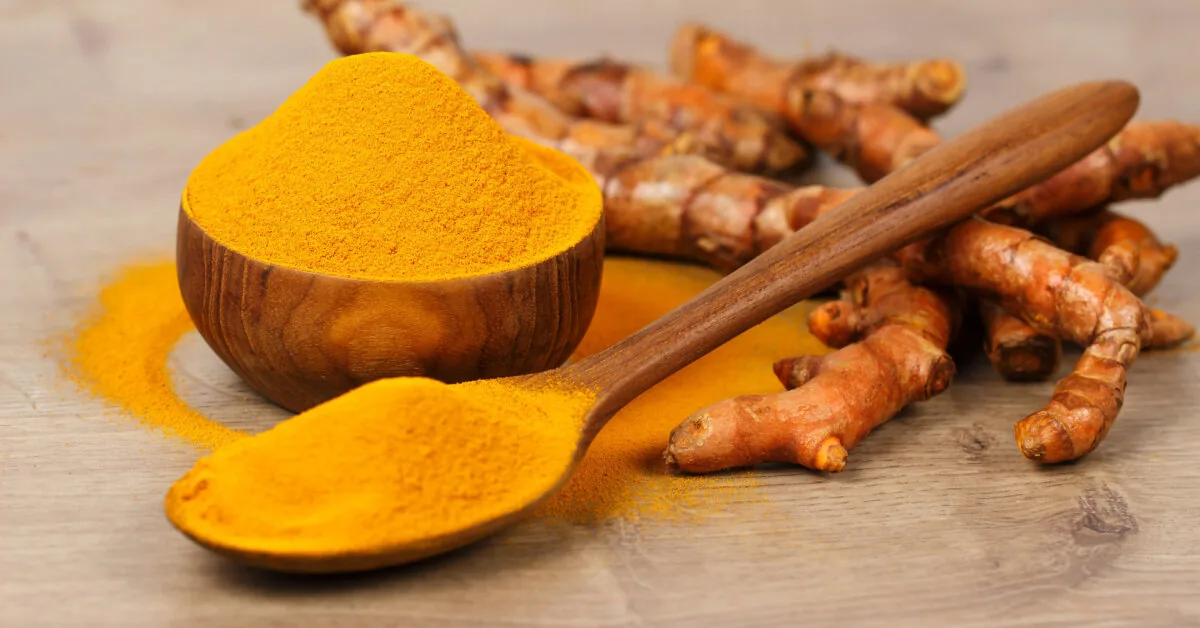
In the last month, at least four cases of liver failure have been diagnosed in Lithuania in people who consumed turmeric supplements. One patient required a liver transplant due to her extremely severe condition.
Read more Valeika, who made it to the World Youth Championship final: «With the last of his strength»
However, on social media, turmeric, along with honey and ginger, is still presented as an almost universal remedy for infections, heart diseases, and even oncological ailments.
This mixture of three components is attributed with antibacterial, anti-inflammatory, and immune-boosting properties, and it is also claimed that it can help fight infections, strengthen a weakened body, and reduce the risk of cardiovascular diseases.
The main focus of the post is on the alleged anti-cancer effect. Based on the properties of curcumin found in turmeric and ginger, the mixture is associated with inhibiting the growth of various types of tumors and the spread of cancer cells.
This creates the impression that common food products can not only alleviate the condition of the sick but also halt the development of oncological diseases.
However, the post does not distinguish between laboratory research results and confirmed therapeutic effects in humans, and food products are unjustifiably attributed with drug-like properties.

There is some truth
Claims that curcumin in turmeric can affect inflammatory processes or signaling pathways associated with cancer development are not entirely fabricated.
During laboratory cell and animal studies, it was indeed found that this substance can affect molecular mechanisms such as NF-κB, JNK, or STAT3. However, such results do not yet prove that turmeric or its supplements can prevent or treat cancer in the human body.
On social media, this important distinction is usually omitted: preclinical study data are presented as if they were already a confirmed treatment method.
The U.S. National Cancer Institute states that there is currently insufficient reliable evidence that curcumin products could be used for cancer prevention or treatment.
Some promising results have been obtained in early-phase clinical trials, but they are insufficient for conclusions about efficacy and safety – larger, well-designed studies would be needed for that.
Turmeric has certain clinical justification only in a very narrow area: as an auxiliary measure in reducing symptoms of oral mucositis after radiation therapy.
This is not a treatment for the tumor itself and does not provide a basis for calling turmeric an anti-cancer agent.

A series of dangerous cases
Several severe cases of liver damage associated with the consumption of turmeric-containing food supplements have recently been recorded in Lithuania. Within a month, at least four such patients came to the attention of doctors; one woman has already undergone a liver transplant, and another is awaiting one. It is reported that some patients used supplements of unknown origin and may have significantly exceeded the recommended doses.
Doctors emphasize that consuming turmeric in small quantities as a spice usually does not pose such a risk. The problem arises when it is consumed in the form of concentrated supplements, increasing doses, or combining it with other medications and preparations.
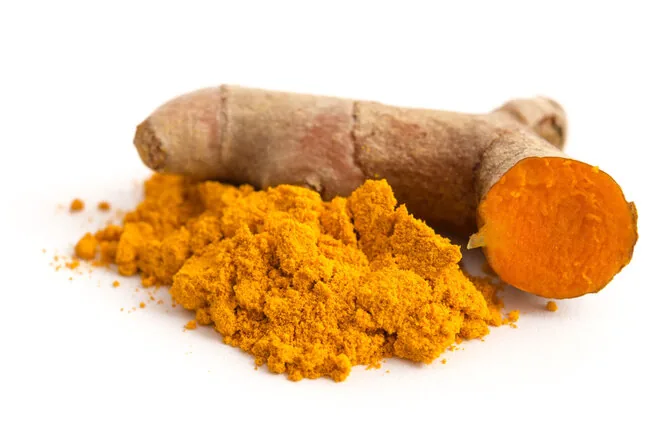
In such cases, liver cells can be damaged, and life-threatening liver failure can develop. The risk is also increased by the fact that in the early stages, a person may not feel clear symptoms, while jaundice, bleeding, fluid accumulation, or consciousness disturbances may appear when the disease has already progressed.
In large doses, turmeric is usually started not as a spice but as an alleged therapeutic agent. On the internet and social media, its supplements are advertised as a way to suppress chronic inflammation, help reduce weight, or even halt the development of oncological diseases.
Such promises encourage people to independently increase doses, combine several preparations, and use them for a long time, even though there is no reliable clinical evidence of such therapeutic effects, and concentrated supplements can cause serious harm to health.
The dose distinguishes medicine from poison
Today, turmeric and curcumin supplements are offered for almost everything – from joint pain, depression, allergies, high cholesterol, or fatty liver to chronic inflammation, obesity, and oncological diseases.
However, identifying a biological mechanism does not mean that the substance reliably treats a person. Clinical evidence that turmeric could treat the mentioned diseases or replace conventional treatment is currently insufficient.
Studies use preparations of very different compositions, varying doses, and forms of administration, and some supplements are additionally enriched with piperine from black pepper to improve curcumin absorption.
Curcumin itself is poorly soluble in water and poorly absorbed, making it difficult to achieve concentrations considered effective in laboratory studies within the human body.
Furthermore, clinical trials are often small and short. Therefore, turmeric cannot be considered a proven remedy for treating chronic inflammation, obesity, or cancer.
It is important to distinguish turmeric as a spice from concentrated supplements, especially when consumed in large doses or with enhanced absorption. Here, the classic toxicological principle applies: the dose distinguishes medicine from poison.
Read more People born in these months are misunderstood by others: could it be you?
Turmeric in food or in usual doses for a short time is generally considered safe, but larger quantities are not harmless – better absorbed curcumin preparations are also associated with liver damage.
The risk can be increased not only by an excessive dose but also by long-term use, piperine, unclear supplement composition, or interaction with medications. If fatigue, nausea, loss of appetite, dark urine, or yellowing of the skin and whites of the eyes appear, supplement use should be discontinued, and medical attention sought.

Ginger cannot replace chemotherapy
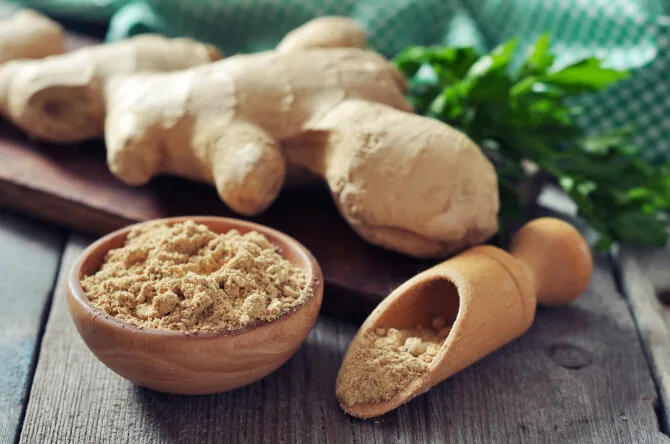
Ginger also cannot be considered an independent or alternative cancer treatment.
Clinical trials in humans, which evaluated its effect on cancer-related biological markers, have yielded contradictory and, so far, insufficiently convincing results.
The claim that ginger is 10,000 times more effective than chemotherapy spread widely online in 2019. The article that published it garnered over 800,000 shares in about a month, but the conclusion presented in it did not match the results of the study it was based on.
In a 2012 study published by scientists from the University of Georgia, the effect of ginger extract was evaluated on prostate cancer cells grown in the laboratory and on mice implanted with these cells.
Researchers found that cancer cells treated with ginger extract grew slower, and tumor growth in mice decreased by approximately 56 percent. However, this does not mean that tumors shrank by 56 percent, as claimed in the article.
Most importantly, in this study, the effect of ginger was not compared with chemotherapy at all. Therefore, the conclusion that ginger is 10,000 times more effective than chemotherapeutic drugs has no scientific basis.
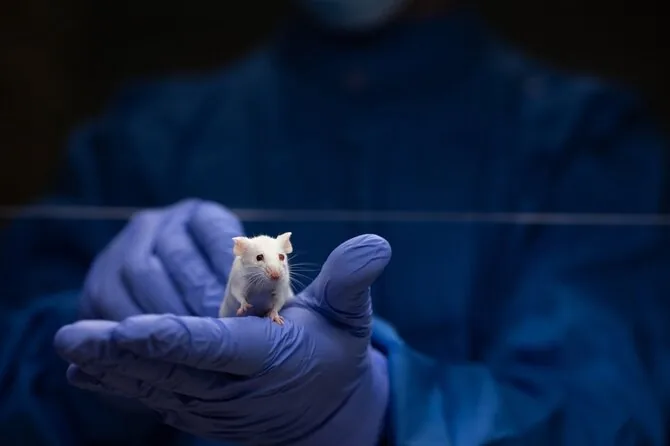
Furthermore, the study was conducted not on humans but on cell cultures and mice, so its results cannot be directly applied to cancer patients.
Scientists also noted that the mouse model does not reflect the full complexity of human tumors, and the absorption and metabolism of ginger extract in the human body may differ.
While ginger may be beneficial in reducing treatment-related nausea, there is no basis to claim that it cures cancer or can replace chemotherapy.
It also cannot be assumed that long-term consumption of large doses of ginger extract would be completely safe.
Honey also does not cure oncological diseases
The anti-cancer effect of honey has so far been mostly studied in laboratories and on animals. In some such studies, different types of honey or substances contained within it inhibited the proliferation of cancer cells, promoted their death, and affected processes related to inflammation, tumor blood supply, and metastasis.
Some models also investigated whether honey could enhance the effect of chemotherapeutic drugs. However, most of these results were obtained by growing cancer cells under laboratory conditions or using animal models, so they cannot be directly equated to the effect in the human body.
It is emphasized that effective concentrations of honey components in the laboratory can be significantly higher than what can be achieved in the human body by consuming honey.
Few clinical trials in humans have been conducted so far, and their sample sizes were usually small. Most data have been accumulated not on the treatment of cancer itself, but on the potential benefits of honey in reducing oral mucositis and other adverse effects caused by chemotherapy or radiation therapy.
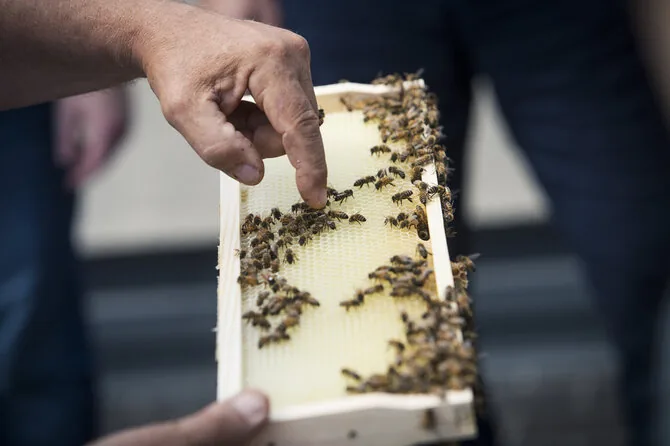
Furthermore, the composition of different types of honey highly depends on plant origin, geographical location, season, and processing, making it difficult to easily compare research results and impossible to establish uniform therapeutic doses.
There is also a lack of data on how the active substances of honey are absorbed, metabolized, and eliminated in the human body. Therefore, honey is currently considered only as a possible auxiliary measure, not a scientifically proven method of cancer treatment.
15min verdict: lacks context. Claims circulated on social media about the ability of a mixture of honey, turmeric, and ginger to treat infections, heart diseases, or cancer are based on improperly interpreted results from laboratory and animal studies. Studies have indeed found that these substances affect certain mechanisms of inflammation, cell proliferation, or tumor development, but this is not proof that such a mixture treats people or can replace medical treatment.
There is no reliable clinical data that turmeric, ginger, or honey could stop the progression of oncological disease, cure cancer, or replace chemotherapy, radiation therapy, or surgery. In some areas, they are being investigated as possible auxiliary measures, for example, to reduce treatment-induced nausea or oral mucositis, but this is not a treatment for the tumor itself.
Furthermore, herbal origin does not mean that a preparation is harmless. Concentrated turmeric supplements, especially when consumed in large doses, for a long time, or together with absorption-enhancing substances, can damage the liver. Severe cases of liver failure have already been recorded in Lithuania, after which patients required or may require transplantation. Therefore, presenting such a mixture as a universal and safe treatment method not only misleads but can also encourage people to abandon effective treatment or dangerously experiment with supplement doses.
The publication was prepared by 15min in cooperation with “Meta”, which aims to stop the spread of misleading news on the social network. More about the program and its rules – here
Read more After the resignation of India’s Education Minister, Narendra Modi announces exam reforms