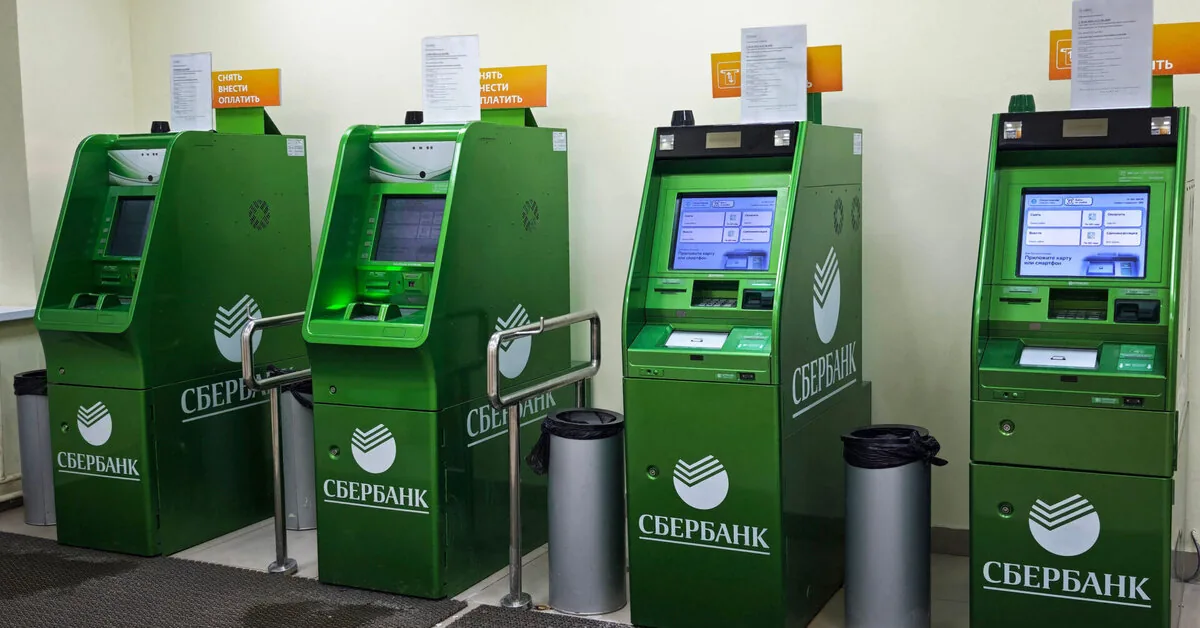
According to data from the Russian Central Bank, the amount of cash in circulation increased by 513 billion rubles (5.75 billion euros) in the first half of July, after an increase of 479 billion rubles (5.37 billion euros) in June. Since the beginning of February, the total amount has grown by more than 2.4 trillion rubles (26.9 billion euros), according to the Polish public broadcaster TVP.
Read more Cash is receding from everyday life: when might you still need it?
This surge coincides with a wave of Ukrainian drone attacks, which have repeatedly forced the Kremlin to shut down mobile internet in a large part of the country, preventing many people from making card payments. Moscow claims these internet disruptions are intended to help repel attacks.
Furthermore, this situation coincides with economic pessimism reaching its highest level in two decades. A recent Gallup poll showed that 60% of Russians believe the local economic situation is deteriorating, and 56% say that living standards are falling.
Borrowing volumes are growing rapidly
Economists say that persistent inflation, rising taxes, and stricter government oversight of financial transactions have increased uncertainty and prompted some Russians to move money outside the banking system.
“Essentially, there has been an imbalance in the country between money returning to banks and money withdrawn by the public,” economist Igor Lipsits told “The Moscow Times.”
Due to massive cash withdrawals, banks are short of rubles, forcing the Russian Central Bank to significantly increase lending to this sector.
“The Bank of Russia is trying to solve the liquidity problem by refinancing the banking system, primarily the largest banks,” economist Alexander Abramov told “The Moscow Times.”
The situation is further complicated by problematic loans, some of which, according to the central bank, have exceeded 10%.
Read more Lukas Savickas: decisions on offshore wind farm – after analyzing the «Ignitis Group» report