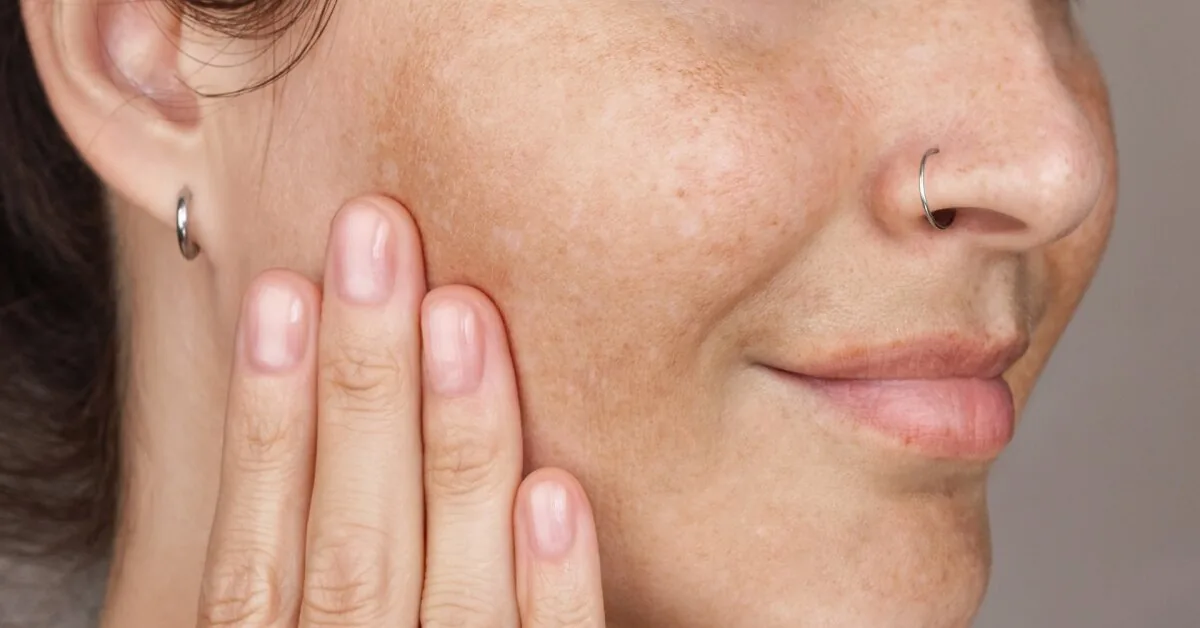
Is eczema contagious?
The short answer is no. “Eczema is by no means contagious. It cannot be transmitted to another person by touching the skin, just as it cannot be contracted by interacting or living with a person suffering from eczema,” says US dermatologist, Ohio State University professor Dr. Susan Massick.
Read more Could not convince: Songaila refused to replace Kurtinaitis in the national team
This means that:
- handshake;
- hug;
- kiss;
- cohabitation;
- swimming in the same pool
cannot cause eczema in another person.
Why then does eczema often recur in families?
Although the disease is not contagious, it can be hereditary. The most common form of eczema – atopic dermatitis – has a genetic basis. If one or both parents suffer from eczema, allergies, or asthma, the likelihood of children developing the disease is higher.
Scientists have found that one of the most important genetic causes is related to the filaggrin (FLG) gene.
This gene helps maintain a healthy skin barrier.
When certain mutations occur in it:
- the skin retains moisture less effectively;
- becomes drier;
- more easily allows allergens and irritants to pass through;
- inflammation develops faster.
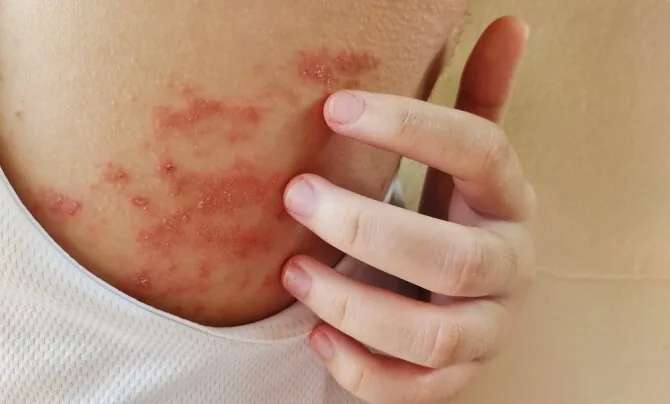
Genes alone are not enough
However, even with inherited changes in this gene, not everyone develops eczema.
According to dermatologist Dr. Peter Lio, genetics alone do not determine the disease. “When there are mutations in this gene, the skin retains water less effectively and becomes more sensitive to allergens, irritants, and environmental pollutants. However, this alone cannot explain most cases of eczema,” says the doctor.
In other words, a person can:
- have a genetic predisposition and never get sick;
- not have sick relatives, but still develop eczema.
What can trigger an eczema flare-up?
Scientists believe that eczema arises from the interaction of several factors.
An important role is played by:
- genetics;
- immune system activity;
- environmental factors;
- stress.
Furthermore, eczema is not just a skin disease. Specialists note that it is often associated with other bodily processes. People suffering from atopic dermatitis are more likely to suffer from:
- allergies;
- asthma;
- some respiratory diseases.
Most common eczema triggers
Eczema flare-ups can be triggered by:
- perfumes;
- soaps;
- cosmetics;
- woolen clothes;
- some metals;
- very hot or very cold weather;
- physical or emotional stress;
- tobacco smoke;
- air pollution.
Triggers can be different for each person, so it is important to identify and avoid them as much as possible.
When should you consult a doctor?
Dermatologists recommend consulting a specialist if:
- itching interferes with sleep or daily life;
- skin lesions are spreading;
- weeping, pain, or pus appears;
- ordinary moisturizers no longer help.
The doctor can create an individual skin care plan, help identify possible disease triggers, and prescribe treatment if necessary.
Specialists emphasize that people with eczema should not be avoided or feared. The disease does not spread through touch, shared items, or other daily contact.
Although genetics increase the risk of developing eczema, its onset is determined by many factors – from immune system peculiarities to environmental and lifestyle factors. Therefore, proper skin care, avoidance of provocative factors, and adherence to a doctor’s recommendations usually allow for successful control of disease symptoms.
Read more Seimas Speaker: I trust Kęstutis Vilkauskas, but the work of the Culture Committee can be improved