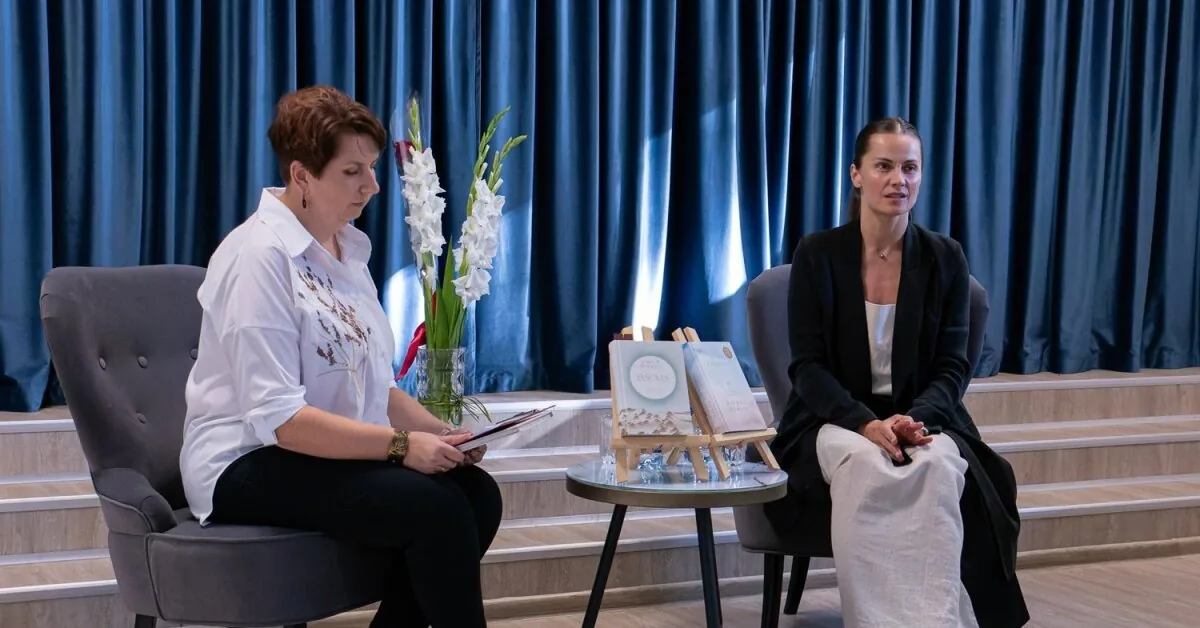
The city and municipality of Elektrėnai are among the youngest in Lithuania. The city was founded in 1962, and the municipality began its independent life in independent Lithuania in 2000. Elektrėnai municipality leverages its geographical position – being halfway between Vilnius and Kaunas, it is one of 17 municipalities where the population is growing (from 23.2 to 24.7 thousand residents in Elektrėnai municipality from 2019 to 2025), and investments and salaries are among the highest (higher salaries were only in Vilnius, Kaunas, Klaipėda, and Kaunas district).
Read more Burga factory opens its doors
Although the population in Elektrėnai municipality is increasing, cultural indicators are among the lagging ones – in 2022, in the “Municipal Culture Index”* compiled by K. Mažeikaitė, it ranked only 49th out of 60. The Municipal Culture Index assesses the cultural situation from 7 perspectives, considering the number of creators, the activity of cultural organizations, municipal funding for culture, cultural heritage, or residents’ involvement in cultural activities. The municipality is average or at the bottom of the ranking in almost all areas.
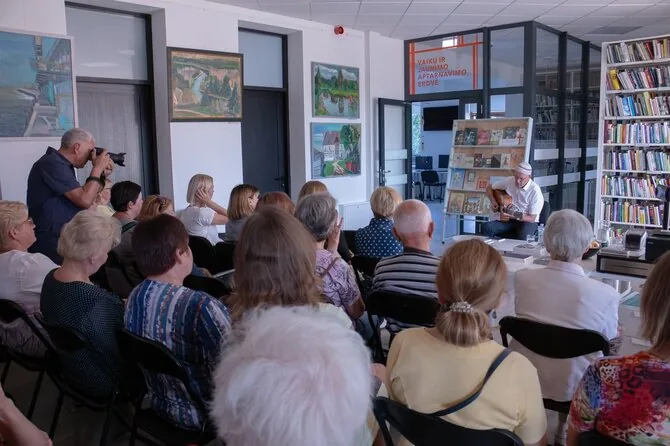
Lack of Cultural Accessibility
The 2026 “Lithuanian Population’s Participation in Culture and Satisfaction with Cultural Services Survey”** showed that residents of Elektrėnai municipality, compared to 2023, were more tolerant in accepting different cultures; however, a larger proportion of them did not associate their personal identity with Lithuanian culture, found it less appealing and more difficult to speak Lithuanian, visited cultural heritage sites less frequently, engaged in creative or cultural activities themselves, and consumed cultural products less often.
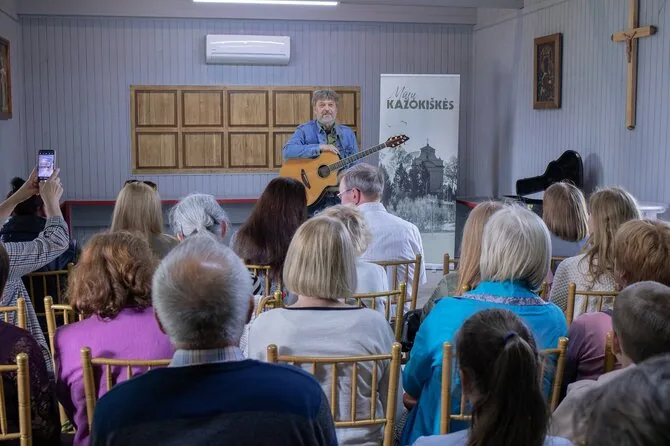
Nevertheless, Elektrėnai municipality residents felt that the quality of cultural services was improving. The activities of the Elektrėnai Municipality Public Library, which in 2023 reorganized the old Museum of Literature and Art into the Elektrėnai Region Museum with branches in Abromiškės, Lazdėnai, and Jagelonys, could have contributed to this.
“The museum aims to foster the historical and cultural heritage of the entire Elektrėnai region, not limiting itself to the history of the city itself, but encompassing the entire municipality. Some activities took place in Elektrėnai itself, dedicated to the history of the entire municipality, e.g., a 2025 conference dedicated to the 65th anniversary of Elektrėnai city and the 25th anniversary of the municipality. Collaborating with the Elektrėnai Municipality Administration, the owner of Abromiškės Manor, and the Elektrėnai Region Museum, the idea was born to organize an event commemorating Napoleon’s army’s campaign to Russia in 1812 (during this campaign, the emperor himself spent the night of June 27 in a manor near Vievis, in the Vievis area). In Lazdėnai, a new exhibition is being created dedicated to the Lithuanian independence struggles and life along the Lithuanian-Polish demarcation line, which ran through this settlement. Currently, the museum is implementing a youth promotion project “Elektrėnai Region: Folk Art Code,” funded by Elektrėnai Municipality. In it, young people get acquainted with the folk art masters, traditions, and works of the Elektrėnai region. In addition to such activities focused on local identity and history, the museum and library also participate in national (annual programs of “Lithuanian Museum Road”) and international projects (European Heritage Days),” said the new museum head Tomas Petrauskas.
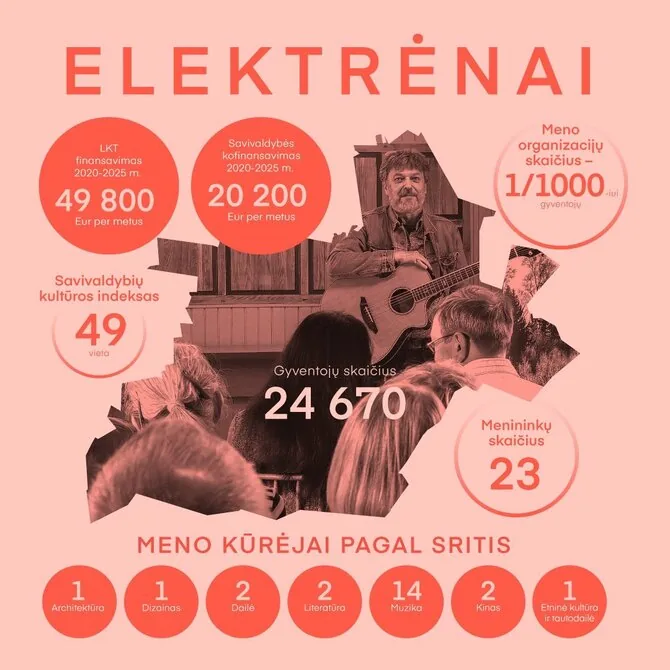
As the mentioned example shows, the non-governmental sector (NGO) is an important part of cultural life. Statistics from the Lithuanian Culture Council (LKT) show that there are relatively few cultural institutions in Elektrėnai municipality – 26 submitted applications to the LKT between 2014-2026, i.e., over a decade (in neighboring Trakai district – 53, Kaišiadorys district – 35). NGO development would help increase the diversity and dissemination of cultural services in the municipality. Although out of 26 organizations, 20 were NGOs. In total, 10 institutions were funded, 7 of which were NGOs.
Elektrėnai Municipality and Cultural Heritage
In addition to creating new institutions, another asset that the municipality does not lack can be utilized – cultural heritage. The “Municipal Culture Index” calculated that there are 5.86 immovable cultural values per thousand inhabitants, which was a high 15th place out of 60. This means that there are more burial mounds and hillforts dating back to pagan times (abundant in the Neris Regional Park), manors, and churches in the municipality, which can be used to foster its identity and culture. One of the most beautiful villages in Lithuania – Grabijolai – is located in Elektrėnai municipality, situated on the site of ancient burial mounds. Vievis and Semeliškės are old towns dating back to the Grand Duchy of Lithuania, with a distinctive urban structure. Additionally, in 2026, Semeliškės is one of Lithuania’s small cultural capitals, which can also invigorate the municipality’s cultural life.
Dynamics of Artists
Creating a culturally active environment can increase the number of creators and artists in the municipality. In 2024, there were relatively few of them – 23 (according to the 2024 “Assessment of Artists’ Creative and Economic Environment Survey”***), while in neighboring Trakai district – 72, Kaišiadorys district – 36. There was also a lack of amateur art collectives (2022 Municipal Culture Index data) – there were 30, while in Trakai district – 45, Kaišiadorys district – 63.
Potential of Elektrėnai Municipality
“Thus, by utilizing cultural heritage, establishing a new museum, and promoting the development of the non-governmental cultural sector, Elektrėnai municipality would not only rise in the “Municipal Culture Index” but also enrich the cultural experiences of its residents, which would improve their quality of life. The “Lithuanian Population’s Participation in Culture and Satisfaction with Cultural Services Survey” showed that residents who actively create, participate in culture, or read books are happier, so the keys to residents’ happiness are in the municipality’s hands,” said Martynas Tininis, Senior Analyst at the Lithuanian Culture Council.
* K. Mažeikaitė. Municipal Culture Index. 2022
** Alina Mickevič-Radžvilienė and Diana Sutkaitytė (KOG Institute). Population’s Participation in Culture and Satisfaction with Cultural Services. 2026
*** R. Kregždaitė, K. Mažeikaitė, K. Šulskutė. Assessment of Artists’ Creative and Economic Environment. 2025