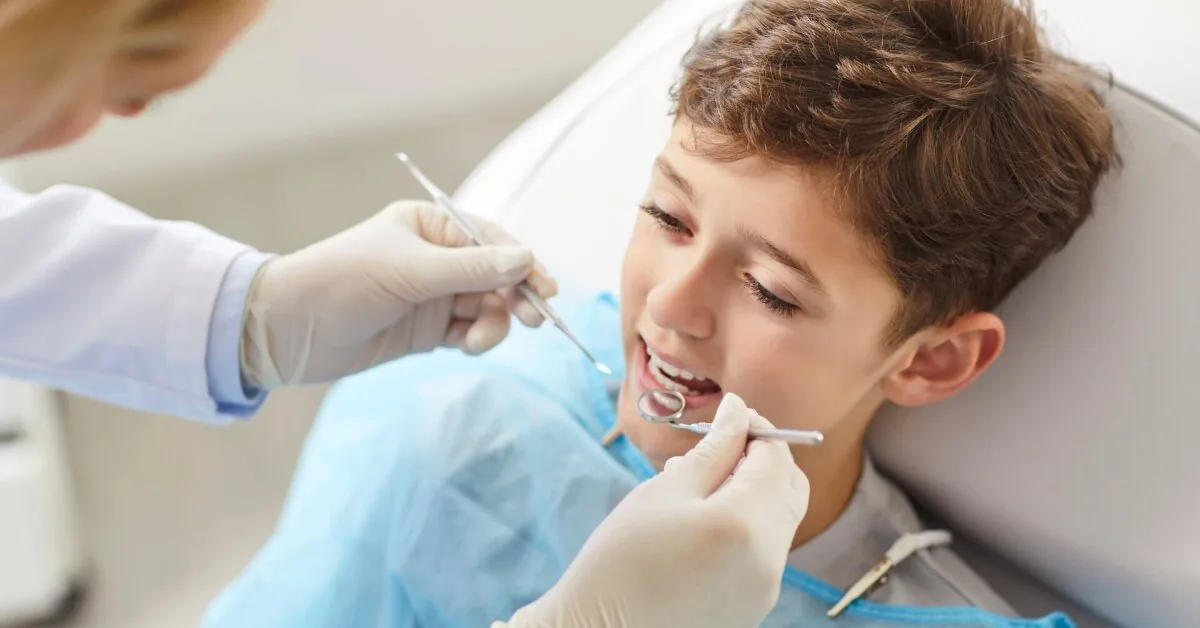
When a dentist or oral hygienist performs a check-up, the child’s oral health is assessed, potential problems are identified in time, and treatment is prescribed if necessary.
Read more Declaring war on road-damaging trucks: Klaipėda at the forefront of the battle lines
Certificate validity will change from November
“Annual preventive examinations help to detect dental and oral diseases early. The earlier they are noticed, the simpler and more effective the treatment can be, and the risk of more serious oral health problems decreases,” says Jurgita Grigarienė, advisor at the State Health Insurance Fund’s Service Compensation Department.
From November 1 this year, the validity rules for Student Health Certificates will change. From this date, the validity period of certificates issued may be shorter than one year in some cases. Certificates issued before November 1 will remain valid under the current rules – one year from the date of issue.
“If during a preventive examination it is found that the child’s teeth are healthy, the health certificate will, as before, be valid for one year. However, if it is found that the child’s teeth are affected by caries and require treatment, the certificate will be valid for only six months from the date it is filled out. This rule will encourage more regular care of children’s oral health,” says J. Grigarienė.
Last year, more than 400,000 oral health preventive services were provided to children in healthcare institutions. 2.6 million euros were allocated from the Compulsory Health Insurance Fund to pay for these services.
Worth visiting an oral hygienist
According to the specialist, to maintain good oral health in children, not only regular dentist check-ups are important, but also preventive services provided by an oral hygienist. Fund resources cover professional oral hygiene services for children aged 3 to 17 (inclusive) at least once per calendar year, and depending on the child’s age and oral health condition, these services may be provided more frequently.
Preventive oral hygienist services include professional oral hygiene, teaching children how to brush their teeth properly, and assessing oral hygiene habits. If necessary, teeth are coated with fluoride agents that help reduce the risk of dental caries.
Read more Kaunas police request help regarding a crime on Donelaitis Street
An important preventive measure for children’s oral health is dental sealing. Studies show that timely sealing of children’s teeth can reduce the risk of dental caries by 80–90%.
Sealing covers the grooves and pits of permanent molars’ chewing surfaces, creating a protective layer that prevents plaque accumulation and reduces the risk of dental caries. Only healthy, caries-free permanent molars are sealed.
This preventive service is provided to children from the eruption of the first permanent molar up to 14 years of age. During one visit, from one to four permanent molars can be sealed.
Last year, nearly 41,000 dental sealing services were provided to children, with almost 800,000 euros from the fund used to pay for them.
The State Health Insurance Fund reminds that primary dental care services for children and necessary materials are paid for from fund resources. To receive these services, one must contact the healthcare institution where the child is registered and which has a contract with the Health Insurance Fund. If the institution does not provide dental services, it must ensure that the patient receives them at another contracted healthcare institution.