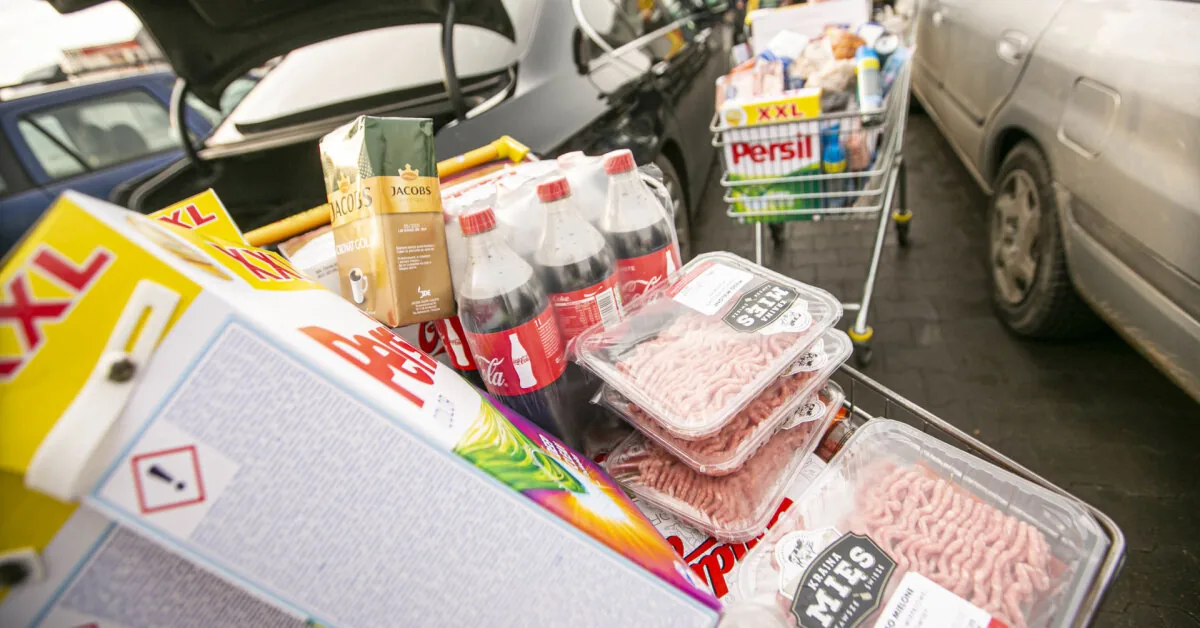
The EU is currently looking for ways to deal with the increasing flow of Chinese exports, which critics say are supported by generous state subsidies, as well as an allegedly undervalued currency, making Chinese products cheaper.
Read more Advisor to the Minister of Environment for Communications – Ramunė Muzikevičiūtė-Narmontienė
Brussels is struggling to formulate a clear position: France has long called for a stricter approach, while Germany, whose companies have invested more in China, traditionally takes a more cautious stance.
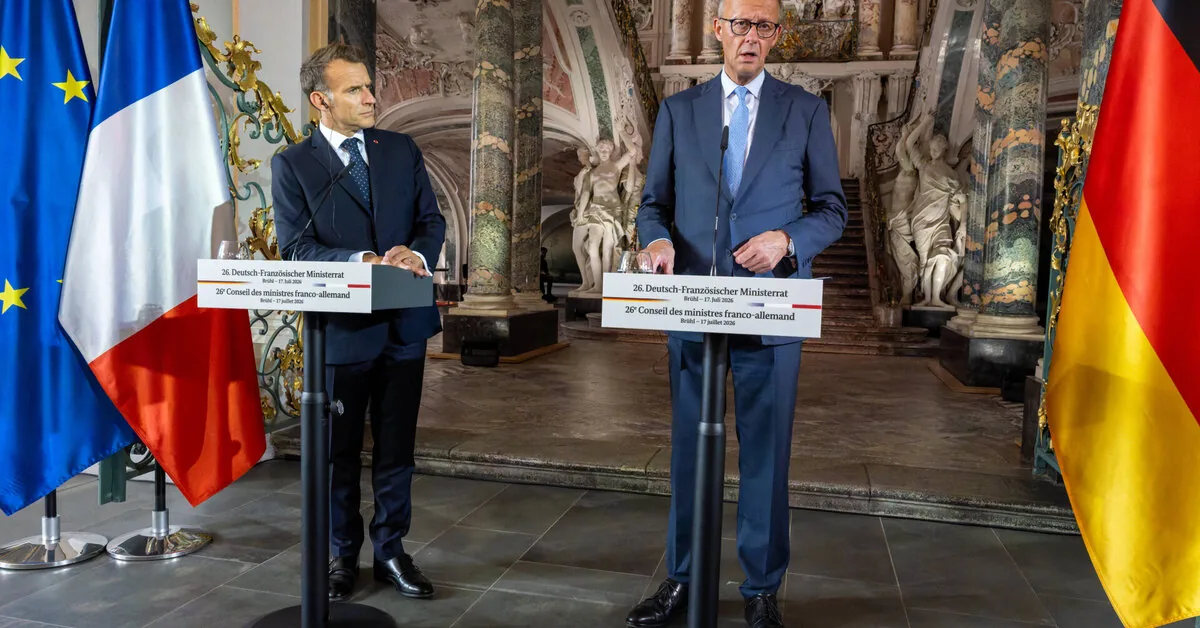
At a joint press conference with F. Merz near Cologne after meetings between the French and German governments, E. Macron said that “we are currently shaken” by China’s trade practices. Therefore, Paris and Berlin want “to prepare a French-German action plan on this issue by September,” said the French leader, adding that their ministers of economy, finance, and foreign affairs have been tasked with preparing this plan.
“We will again very resolutely seek to strengthen the powers granted to the European Commission so that it can conduct market investigations much faster and apply these measures to protect our industries,” added E. Macron.
“We want to protect our companies and industries. We have seen this in the chemical industry, we see it in machine manufacturing, the automotive sector, and many other areas,” he said.
F. Merz also noted that in recent years the EU’s trade deficit with China has increased sharply. “I think it goes without saying that we have to address this imbalance because it is done at the expense of our industry,” he said.
The EU’s trade deficit in goods with China reached about 360 billion euros last year, meaning the EU imported much more from this Asian country than it exported to it.
Speaking about suspicions that the Chinese yuan is undervalued, E. Macron called for starting a dialogue with Beijing “on exchange rates and opening up financial markets.”
The German leader added that “if the Chinese currency is currently fairly valued, there is no reason not to allow its free convertibility for trade purposes.”