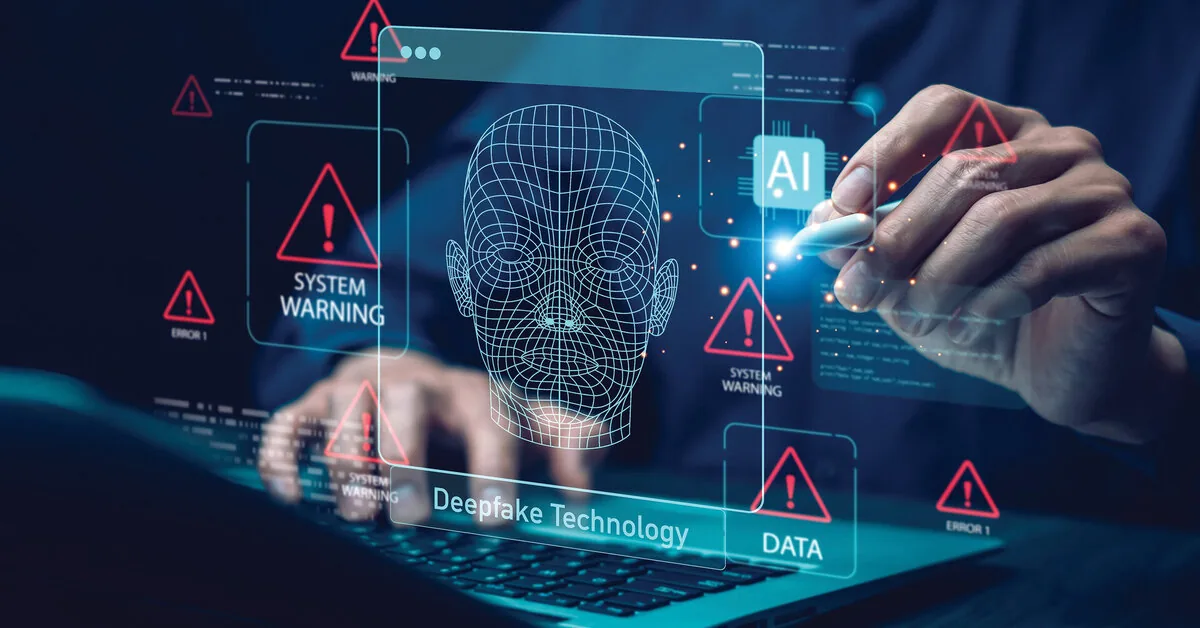
Today, we increasingly encounter content that looks completely realistic but is actually created by algorithms. This forces us to redefine what it means to “see with our own eyes” and how much we can trust it. Although modern AI models can create highly detailed and convincing images, forgeries still leave certain traces. Sometimes they can be noticed with the naked eye, but more often critical thinking and additional verification tools are needed.
Read more Challenges awaiting the future UK Prime Minister Andy Burnham
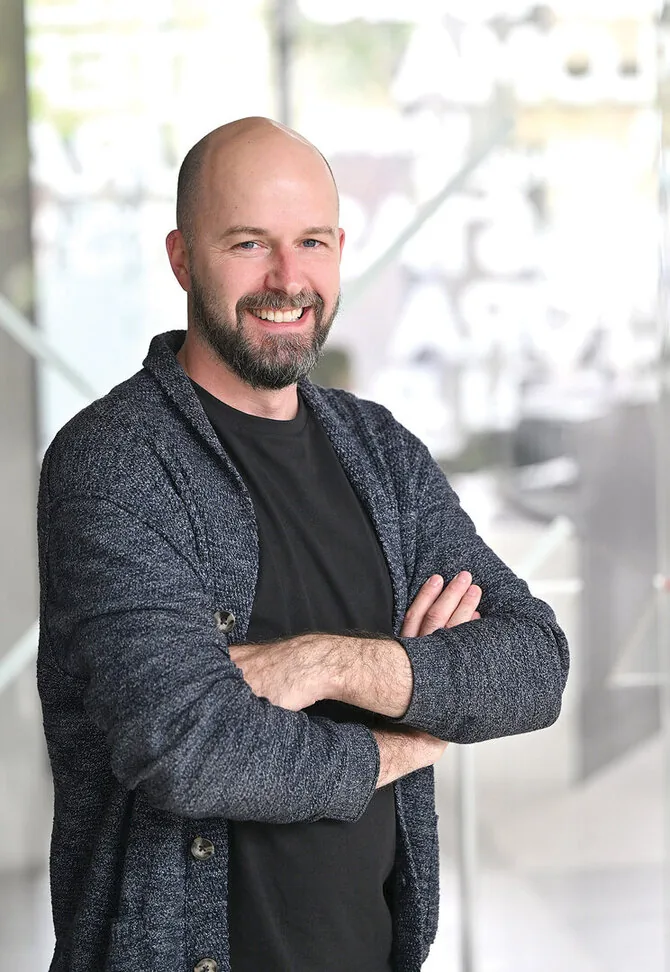
What signs can reveal that what you are seeing is not reality but an artificially generated image? How does technological progress change our ability to distinguish truth from fiction? These and other questions are answered by Vytautas Magnus University partnership associate professor, artificial intelligence teacher K. Jakubsonas.
What are the most common signs that a photo or video may be fake, and how has AI changed the reliability of visual content?
Currently, it is becoming increasingly difficult to distinguish forgeries. Previously, obvious errors could be noticed, for example, a generated photo might show a person with four or six fingers, but now new AI models generate images so precisely that visually distinguishing a fake from a real shot becomes almost impossible.
Although technology is improving, small inconsistencies can still be noticed: unnatural lighting, incoherent text in the background, or strange physics anomalies, but relying on the naked eye is becoming more difficult.
How do Lithuanians compare in the global context: are we able to distinguish fake images?
In this regard, we do not stand out much globally. Both in Lithuania and worldwide, people find it equally difficult to distinguish deepfakes from real images. This is no longer a national but a global technological problem.
Why are people inclined to trust too much what they see online, and which groups are most vulnerable?
The main role here is played by a psychological habit: we are used to believing what we see with our own eyes. Gradually, this habit must change. Regarding vulnerable groups, it is stereotypically thought that only older people are affected, but age is not the main indicator.
The most vulnerable are those who are less interested in technological innovations, do not have time to familiarize themselves with AI capabilities, and lack critical thinking. Information and media literacy—the ability to critically evaluate information—is a much more important factor than a person’s age.
What are the main tools that help verify the authenticity of images, and which AI verification tools would you recommend?
Unfortunately, there are currently no reliable, one-click tools for ordinary users that can recognize AI-generated content with 100% accuracy.
Technology giants are taking initiatives, for example, Google uses SynthID technology. When generating an image, sound, or text, this system leaves a digital trace (an invisible watermark), but these traces are recognized only by the systems themselves—the average person cannot see them.
“The most vulnerable are those who are less interested in technological innovations and lack critical thinking.”
How does reverse image search work and when is it most effective?
Reverse image search works on the opposite principle of regular search. Instead of entering text into the search box, we upload a photo or its link (e.g., Google Lens). Then the search engine algorithms analyze not the file name but the image: colors, lines, shapes, and textures, turning this visual information into a kind of digital fingerprint.
The fingerprint is instantly compared with billions of other photos in the database, thus finding where else on the internet this or a very similar image appears. This technology is most effective when you need to verify the context and original source of a photo. In the information war and disinformation space, manipulation often occurs not by creating new images but by using old ones, for example, photos of disasters or protests from several years ago presented as current events.
Reverse search immediately exposes such manipulations and shows that the image has been circulating online for a long time, helps find the original, unedited version of the photo, and thus confirms or denies its connection to the described event.
What would you recommend to anyone wanting to verify a suspicious image, and what should they pay attention to first?
Instead of trying to look for visually irregular details, I would always suggest following these steps:
1. Evaluate the source. Are you seeing the image in an official media outlet or on a random social network account (e.g., TikTok, Instagram)? Journalists in official media perform fact-checking work for you.
2. What is the context? Ask yourself why you are seeing this image and whether the provided context even seems logical.
3. Analyze the emotions. What reaction is this image trying to provoke? Deepfakes are often created to evoke strong emotions (especially anger or rage) because it is much easier to manipulate the audience and make them share the information this way.
How do social networks contribute to the spread of misleading images, and are platforms doing enough?
Social networks have a multiplication effect. A user sees an emotionally provocative fake image, shares it or comments on it. Social network algorithms take this as a sign: the content is interesting, it engages people. Then this image is shown to an even larger audience. Unfortunately, the platforms themselves are still doing too little. Although the possibilities to create forgeries are increasing, platforms lack effective technical tools to automatically block or label such content.
And finally: I would like to wish everyone to evaluate content critically. Always consider whether the original source is reliable and ask yourself what is really intended by showing this image.

The project “Fake? Check it!” is partially funded by the Media Support Fund. 9,000 euros allocated in 2026.
Read more Hearing what the Lithuanian officer did – left speechless