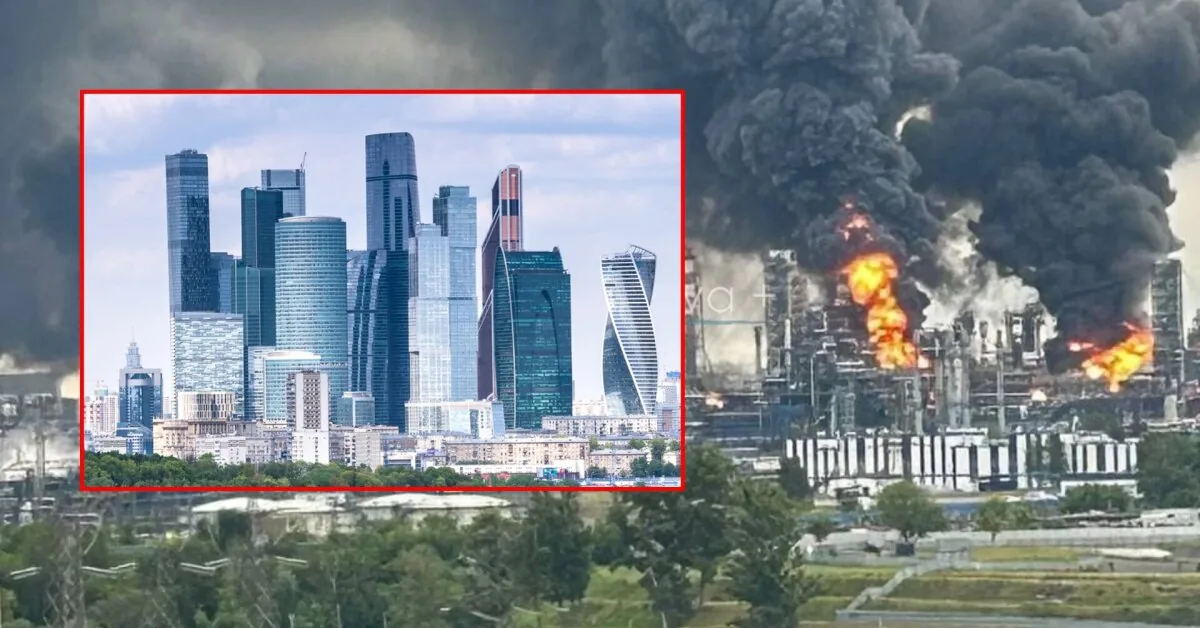
The agency notes that the reason for capital outflow was concerns about the country’s economic situation and asset confiscation.
Over the past year, the structure of some of the richest Russians’ investment portfolios has changed, Bloomberg sources said. This trend has intensified in recent months. They have started investing in cryptocurrencies, foreign real estate, and private investment funds, the sources reported.
In 2026, tens of billions of dollars flowed out of Russia through unofficial channels, such as cryptocurrency, two sources told the agency, noting that this is more than last year. As Bloomberg points out, such capital outflow is difficult to calculate, but the agency calls its sources’ estimate conservative.
The agency links the actions of businessmen to a more active asset confiscation campaign in Russia, as well as to the slowdown of the Russian economy. Some businessmen’s concerns intensified after a closed meeting with Vladimir Putin in March, during which billionaire Suleiman Kerimov proposed making a contribution to the state budget.
Since 2024, there has been a noticeable increase in wealthy Russians’ interest in investing capital abroad due to growing pressure within Russia itself, a Bloomberg source familiar with wealthy Russians’ financial schemes said. One businessman who spoke to the agency said he transfers money to Cyprus and the UAE due to state pressure on businessmen. Another Bloomberg source said he started investing in Africa. Two others said they invest in the UAE, Turkey, or Saudi Arabia in the same amounts as last year.
Several agency sources said that there is a noticeable increase in Russian purchases of luxury real estate in Dubai. Additionally, they noted an increase in investments in real estate in Turkey and Monaco.
Read more Talino Airport reached a new record
Kremlin press secretary Dmitry Peskov did not respond to the agency’s request.
Russian billionaires want second citizenship
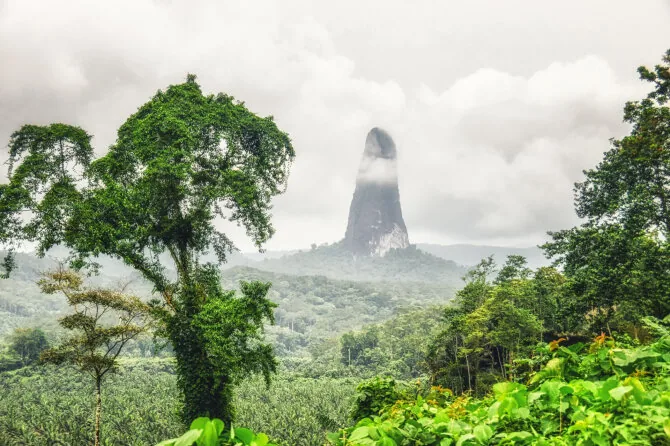
Meanwhile, The Moscow Times reports that wealthy Russians’ interest in programs allowing them to obtain second citizenship in island states – Vanuatu, Sao Tome and Principe, and others – has sharply increased. The publication relies on the foreign real estate agency Intermark Global. The company reached this conclusion based on interest in purchasing real estate in these small states.
The agency notes that the number of transactions in Vanuatu in the first half of the year tripled compared to the same period last year. In Sao Tome and Principe, a new citizenship-by-investment program was launched at the end of 2025, but within six months, the number of transactions involving Russians in these islands has already reached the level of Vanuatu.
Intermark Global does not provide absolute numbers, but a real estate agent working with foreign real estate says that it concerns several dozen transactions. Considering that these are very small territories, this can be described as a huge surge in demand, he concludes.
Russians can obtain a Sao Tome and Principe passport remotely, in just two to four months, and for $90,000 per family.
It grants the right to enter 60 countries visa-free and facilitates obtaining residence, study, and work permits in the Community of Portuguese Language Countries (CPLP) – Portugal, Brazil, etc., an immigration program agency employee said. The Vanuatu passport costs twice as much – $170,000–200,000 per family. It can also be obtained remotely within two to four months and grants visa-free entry to 90 countries.