Due to weak espionage laws in the country and a thriving high-tech industry, Japan has become an important component of Russia’s war against Ukraine.
Read more Before the semifinal with England – a history-based psychological maneuver of Argentina
According to Ukrainian government estimates, about 90% of Russian missiles and drones consist of Japanese components.
At the center of operations in Tokyo is a secret Russian military intelligence unit known as the 20th Directorate, whose role has never been publicly disclosed.
According to five current and former Western intelligence agency officials, individuals belonging to this formation, posing as diplomats or businessmen, try to buy or steal battlefield technologies and smuggle them into Russia.
The man leading the 20th Directorate operation uses cover: he works for the Russian state airline Aeroflot and plays a crucial role in supplying Russia’s war machine, sources said.
The results of this operation are seen in Russia’s nighttime attacks on Ukrainian cities and battles on the battlefield. According to officials, four years after the start of the large-scale invasion that killed hundreds of thousands and wiped entire cities off the map, Russia still holds on partly because it has managed to maintain access to technologies, such as those acquired from Japan.
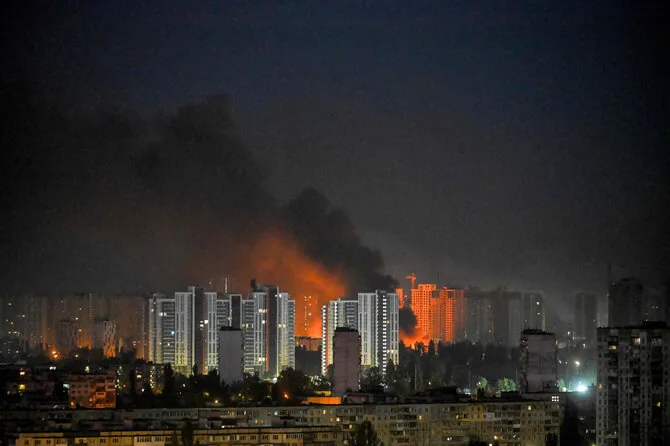
In May, when a Russian Kh-101 cruise missile destroyed an apartment building in Ukraine’s capital Kyiv, killing at least 24 people, investigators sifted through the rubble. They found that the missile was controlled using Japanese components, whose export to Russia is widely banned, according to Ukrainian data.
The New York Times, based on confidential government documents, company records, and interviews with dozens of intelligence and government officials across three continents, tried to piece together how the 20th Directorate operates and the crucial role of the operations center in Tokyo supporting Kremlin leader Vladimir Putin’s war against Ukraine.
Most officials spoke on condition of anonymity because they are not authorized to publicly disclose intelligence information.
It is reported that Ukrainian officials have provided Japan with evidence that its technology is being used to attack Ukraine from Russia. However, despite loudly expressed support for Ukraine, the Japanese government acts sluggishly.
Japan has long been known as a spy haven. This is partly due to restrictions set by the World War II victors that keep the country’s intelligence services weak. Among other things, Japan does not even have a foreign intelligence agency.
Officials say they recognize the espionage threat and are trying to lift decades-old restrictions on intelligence gathering.
“We feel we are in a crisis because of this situation,” said Akihisa Shiozaki, a member of the ruling Liberal Democratic Party and a former lawyer who previously handled industrial espionage cases.
Japan’s Ministry of Foreign Affairs did not respond to questions about espionage but stated that the government has cooperated with Western allies to ban the export of military goods to Russia.
“Russia’s aggression against Ukraine is a horrific act that shakes the very foundations of the international order,” the ministry said in a statement.
Nevertheless, it seems that Russian spies operate right under the noses of Japanese authorities.
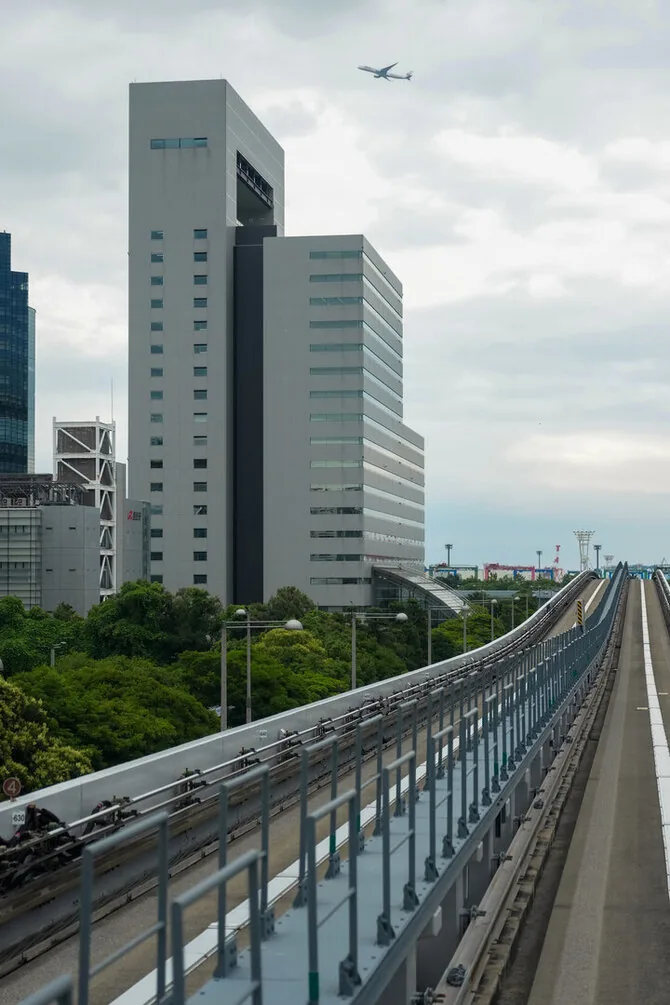
The Aeroflot office in Tokyo is a 10-minute walk from the National Police Agency headquarters, where espionage cases are investigated. Western intelligence officials noted that it is from there, on the 22nd floor of the airline’s office, that the 20th Directorate’s representative in Tokyo directs his deadly operation.
His name is Maksim Vladimirovich Filchenkov.
The Spy Arrives in Tokyo
When 49-year-old M. Filchenkov took up his post in Tokyo in February 2024, Russia was in dire need of high-tech components.
The war in Ukraine shifted from World War I-style artillery battles to drone warfare, with Ukrainians gaining a technological advantage.
To keep up in the fight, Russia had to strengthen its conventional power with new technologies. China could have helped Moscow, but when it came to advanced military weaponry, there was no substitute for high-tech equipment and other components that many companies suddenly were banned from selling to Russia.
Here entered M. Filchenkov – an experienced officer of Russia’s military intelligence service (GRU). Intelligence officials said that after one assignment in Japan, he had gained enough necessary experience to find the required equipment and smuggle it into Russia.
Based on business documents and interviews, M. Filchenkov began establishing contacts with logistics companies transporting goods from Japan to Russia. Western officials warned Japan that such connections help Russian military intelligence officers deceitfully acquire secret technologies and transfer them to Russia, sometimes using forged documents.
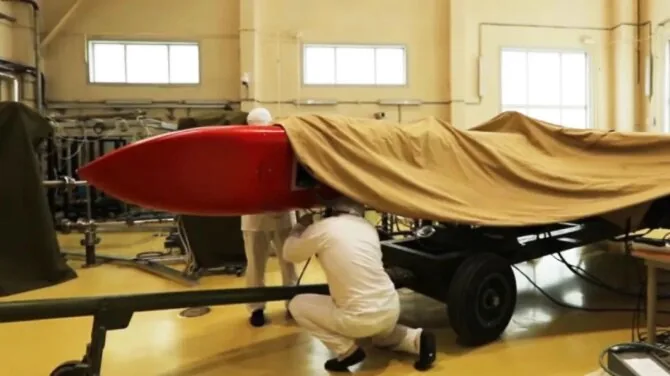
Current and former intelligence officials say the 20th Directorate excels in this area. Although the unit’s history remains unclear, officials said it was established before the war in Ukraine began. They said since the invasion’s start, this unit has played a key role in Kremlin efforts to obtain military technologies.
Russian military intelligence spies, seeking Western technologies, have long used cover jobs at Aeroflot since Soviet times.
The entrance to the Aeroflot office in Tokyo resembles prison gates – a narrow window slot and a doorbell. Earlier this year, the door was opened by a middle-aged woman with straw-colored hair and a Russian Orthodox cross around her neck. She seemed surprised to have visitors.
The woman said M. Filchenkov was not there and could not say when he would return.
Aeroflot is not specifically on Japan’s blacklist, but its operations are effectively halted because the company cannot obtain necessary aircraft spare parts and provide services.
However, official Aeroflot partners remain active.
One of them, Proco Air, advertises itself as a “bridge between Japan and Russia.” Proco Air rents space on planes for cargo from airlines flying to countries where Aeroflot operates, such as Sri Lanka or Uzbekistan. Aeroflot picks up cargo there and flies it to Russia. This is neither illegal nor unusual. Many goods are still allowed into Russia and end up there because of partnerships like this.
Western intelligence assesses that such arrangements are essential for the 20th Directorate’s operations.
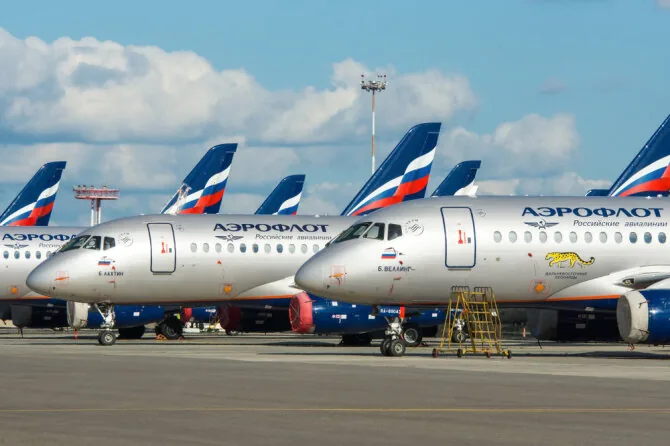
Logistics data shows Japan is the world’s largest exporter of sensitive dual-use technologies sought by the Kremlin. Smugglers do not need to transport this equipment directly to Russia: it is enough to deliver it to a place from where it can be sold to Russia.
For example, the largest number of sensitive technologies goes to Vietnam, which in turn is the largest exporter of modern technologies to Russia.
Read more Meet the largest Palanga «Aurum 1006 km race» team: «Porsche» and 3 BMWs
Proco Air is located in an industrial area of Tokyo Port, a 20-minute drive from the Aeroflot office. M. Filchenkov was not there, but the company’s owner, Takehiko Miki, and his wife were ready to talk.
The Japanese man said he met M. Filchenkov around 2018 but only started working seriously with him when he returned to Tokyo six years later. His wife described their Russian business partner as someone who does not smile and only shows his businessman mask.
Last year, Takehiko Miki contacted a business partner based in China, introduced to him by M. Filchenkov. The Japanese businessman asked for help sending goods that he himself admitted were banned from being sent to Russia, sources said.
In interviews and later conversations, Takehiko Miki said he did not know that M. Filchenkov had ties to Russian intelligence. He also categorically denied ever asking for help transporting banned items to Russia.
Proco Air only transports permitted goods, he emphasized, “mostly medical equipment and some cosmetics.”
As proof, he asked his wife to bring a recently issued air waybill copy. Before handing it over, Takehiko Miki tried to black out the names of related companies with a pen.
The document confirmed his statement. It showed that on March 12, medical equipment was sent to Russia via Sri Lanka. However, the names could not be hidden. The document revealed that the Japanese man did business with a company connected to the Kremlin. One recipient was clearly named – Moscow pharmaceutical company R-Pharm.
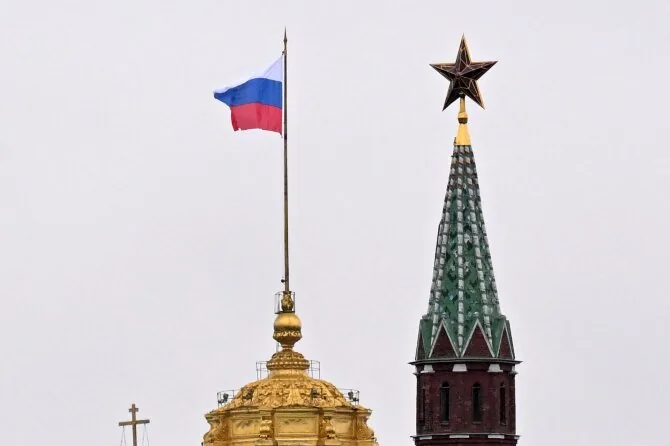
Although it is not on the sanctions list, its founder Aleksey Repik is sanctioned by Australia, the United Kingdom, and Canada (but not Japan) due to his close ties to the Kremlin leader.
A. Repik has appeared publicly with V. Putin multiple times and spoke about his efforts to support the war, including a May 2025 meeting where he boasted about mobilizing Russian companies to “provide unprecedented support to the front.”
“I think it is now important to express huge gratitude on behalf of all Russian businessmen to our homeland defenders,” A. Repik said last year.
Proco Air has not been charged with any illegal activities, and Takehiko Miki said Japanese authorities have never contacted him about shipments. He also emphasized that he has never “knowingly helped organize shipments for anyone on the sanctions list.”
Diplomatic Warnings
Foreign governments have repeatedly warned Japan that its technologies are being smuggled into Russia.
In one month – April 2025 – Ukraine sent at least eight official diplomatic notes to Japan’s Ministry of Foreign Affairs on this issue. They detailed evidence that Japanese-made components were found in Russian weapons and military equipment seized after attacks on civilians.
Over the year, they sent about eight more diplomatic notes, counted one Ukrainian official. The letters included lists and photos of dozens of found Japanese-made components, including printed circuit boards, transmitters, and semiconductors. The New York Times journalists reviewed one of these letters, which claimed that Japanese-made components were also found in ballistic missiles.
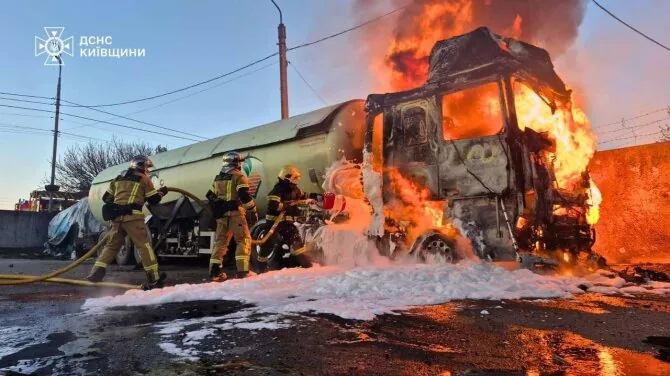
“I hope you will consider this information when considering further restrictions on Russia or strengthening export controls related to the transfer of sensitive goods and technologies to third countries,” the letter said to officials at Japan’s Ministry of Foreign Affairs.
Ukraine also provided Japan with lists of recovered components made by some of the country’s largest companies: Nippon Electric Corp., Panasonic, Toshiba, and others. These documents contained no evidence that the companies knowingly sold their products to Russia rather than shipping them to other countries and having them resold there.
All companies denied wrongdoing and emphasized their commitment to complying with Japan’s economic sanctions and trade restrictions. Nippon noted that the electronic components cited by Ukraine are old and the company has not sold them for several years.
The Ministry of Economy, Trade and Industry reported that it sent warnings to companies and industry groups about attempts to circumvent sanctions. It also blacklisted dozens of foreign entities suspected of helping Russia evade export bans.
Japan’s government was warned about Russian intelligence efforts to acquire its technology not only by Ukraine but also by Western officials.
According to two people familiar with the situation, they provided Japanese authorities with information about a network of companies, including Proco Air, suspected by intelligence officials of helping spies send sanctioned goods to Russia.
Although Japanese authorities have taken no action against M. Filchenkov, they are certainly not indifferent to the problems Ukraine faces.
On the day V. Putin launched the invasion, Japan joined the United States and the European Union in imposing sanctions. Later, it broke a post-World War II restriction and began supplying Ukraine with military aid, such as bulletproof vests and helmets.
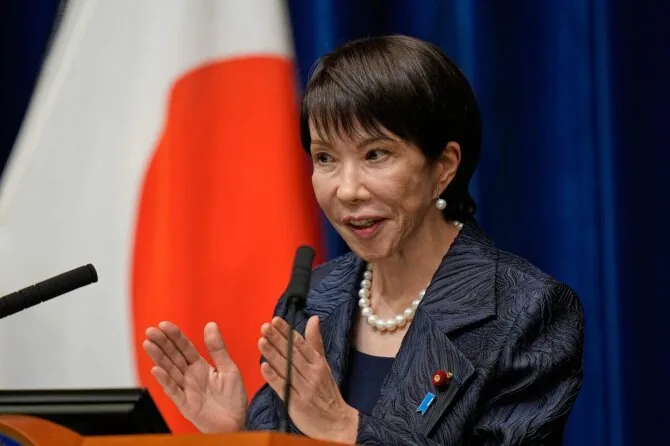
Under Prime Minister Sanae Takaichi, Japan has embarked on an ambitious program to strengthen intelligence capabilities, partly to more effectively prevent illegal exports and disrupt spy activities in the country.
In January, Tokyo police announced they had exposed a Russian intelligence officer who posed as a Ukrainian and tried to extort trade secrets from a Japanese employee. Since the country has no espionage laws, the police filed a case against the employee for violating competition laws.
Before charges were filed, the spy had already left Japan.
When The New York Times journalists returned to the Aeroflot office a second time, M. Filchenkov was again unreachable. Messages sent to his Telegram and email accounts went unanswered.
On the third visit, the woman who opened the door agreed to call him.
The office was filled with large filing cabinets, each topped with an Aeroflot airplane model. The blinds were drawn. It seemed there was nothing else there but that woman.
After a brief phone conversation in Russian, she returned. The employee said M. Filchenkov did not want to talk.
Read more Hungarian parliamentarians adopted a constitutional amendment aimed at removing the president
This article was published in The New York Times.
© 2026 The New York Times Company