Most common causes
One of the most common causes of leg swelling in summer is high air temperature. In the heat, blood vessels expand, blood circulation slows down, more fluids accumulate in the feet and ankles – this is why we feel heaviness in the legs and swelling of the feet by the end of the day.
Read more Your personal data was used without your consent: a lawyer explains when this is legal
“Leg swelling in summer can be caused not only by heat but also by other factors. During the warm season, we often eat more salty snacks, which contain more sodium – this microelement promotes fluid retention in the body.
On hot days, we sweat more, so the body loses more fluids. When it senses a lack of fluids, the body starts to retain them, so the volume of water in the tissues increases and leg swelling intensifies,” explains pharmacist M. Rutalė.

The pharmacist notes that in summer, leg swelling discomfort is more common among pregnant women, women using hormonal contraceptives, and older people.
“Increased leg swelling can also be caused by certain regularly used medications, for example, blood pressure-lowering drugs, some diabetes medications, or non-steroidal anti-inflammatory drugs. If you notice that swelling appeared after starting a newly prescribed medication, it is necessary to consult a doctor or pharmacist,” notes M. Rutalė.
When is it worth consulting doctors?
Although leg swelling in summer usually goes away on its own, there are cases when limb swelling signals more serious health disorders.
“If swelling occurs only in one leg, not both, and it is sudden – this is a sign that you should not delay and seek medical attention. This type of swelling can be a sign of deep vein thrombosis, a dangerous condition.
A blood clot usually forms in a deep vein, most often in the calf, thigh, or pelvic area, which can break off, reach the lungs, and cause pulmonary embolism – a life-threatening complication,” explains pharmacist M. Rutalė.
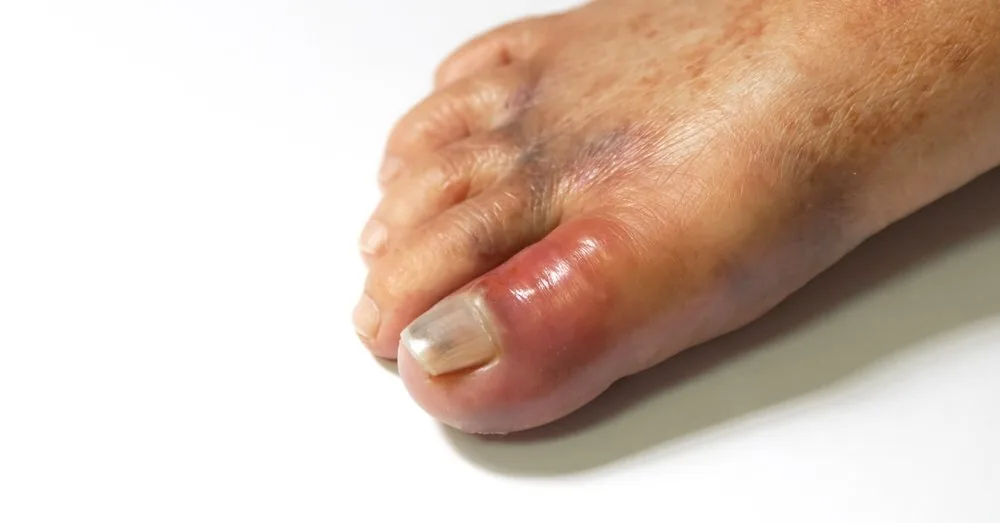
If leg swelling is accompanied by pain, redness, a feeling of heat in one area of the leg, you notice changes in skin color or wounds that do not heal for a long time.
“You should see a doctor if leg swelling does not go away the next day, swelling recurs regularly and gradually increases. The latter symptom may indicate chronic venous insufficiency, heart, kidney, or liver dysfunction,” adds M. Rutalė.
Read more Can you recognize 10 songs from Lithuanian movies, series, and musicals?