









Article translation into sign language:

Easy-to-understand language is a method developed by experts that allows information on various topics to be presented clearly. Information presented this way is especially relevant for individuals with intellectual and/or psychosocial disabilities, elderly people, and others who may have difficulty understanding information. Easy-to-understand language can also be useful for those who are still learning Lithuanian.
From 2024, the Law on the Protection of the Rights of Persons with Disabilities of the Republic of Lithuania and the recommendations approved by the Minister of Social Security and Labour of the Republic of Lithuania provide that a person with a disability may apply to a state or municipal institution or establishment to receive publicly published information in their chosen accessible communication method. For a person with an intellectual disability, this method can be providing information in easy-to-understand language.
Towards greater independence
Laura Mikelevičiūtė, advisor at the Accessibility Assurance and Consultation Department of the Agency for the Protection of the Rights of Persons with Disabilities under the Ministry of Social Security and Labour of the Republic of Lithuania (ANTA), emphasizes that easy-to-understand language can be the key to greater personal independence, but this also requires environmental support and assistance.
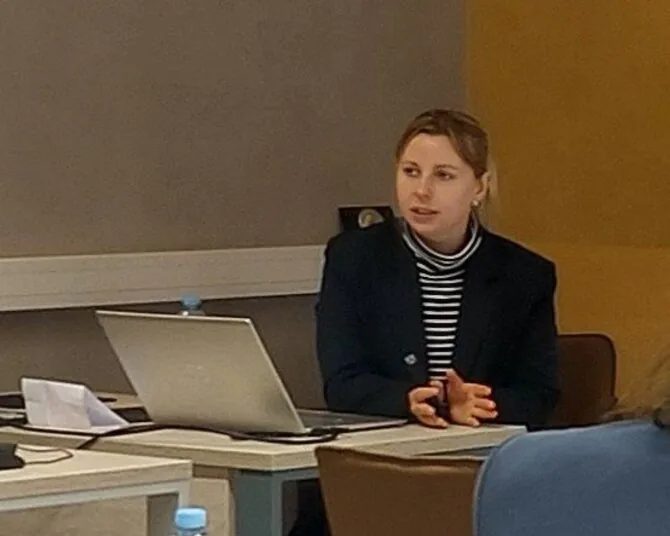
“The easy-to-understand language method can influence the life and independence of a person with an intellectual disability. However, other tools and assistance are also needed. This group of people has long lacked accessible content, so when it appears, help is needed to acquire reading skills, understand where to look for such information or where to get it, as well as to develop desire and motivation. Therefore, it is very important that people around those with intellectual disabilities take time to introduce them to information in easy-to-understand language, show where to find such information, and discuss possibilities,” says L. Mikelevičiūtė.
According to the easy-to-understand language expert, Miglė Baltrūnaitė, a social worker in the “Open Community” area for people with disabilities at the Blessed J. Matulaitis Social Center, the information barrier can complicate specific daily actions – independently making a doctor’s appointment, managing one’s money, or using public transport.

“If a person does not understand certain information, it may be too difficult for them to perform certain tasks that affect their daily life. Essentially, the information barrier is often an obstacle to the full functioning of a person with an intellectual disability in society,” she says.
One practical example mentioned by the easy-to-understand language expert is a publication about elections prepared in easy-to-understand language, which was read by visitors of a day center.
“At the day center, people read this publication, and some chose who they would vote for. At this point, it is important not only who to vote for but also how the entire voting process is carried out. For example, some people chose to vote at home,” says M. Baltrūnaitė.
Simply shortening the text is not enough
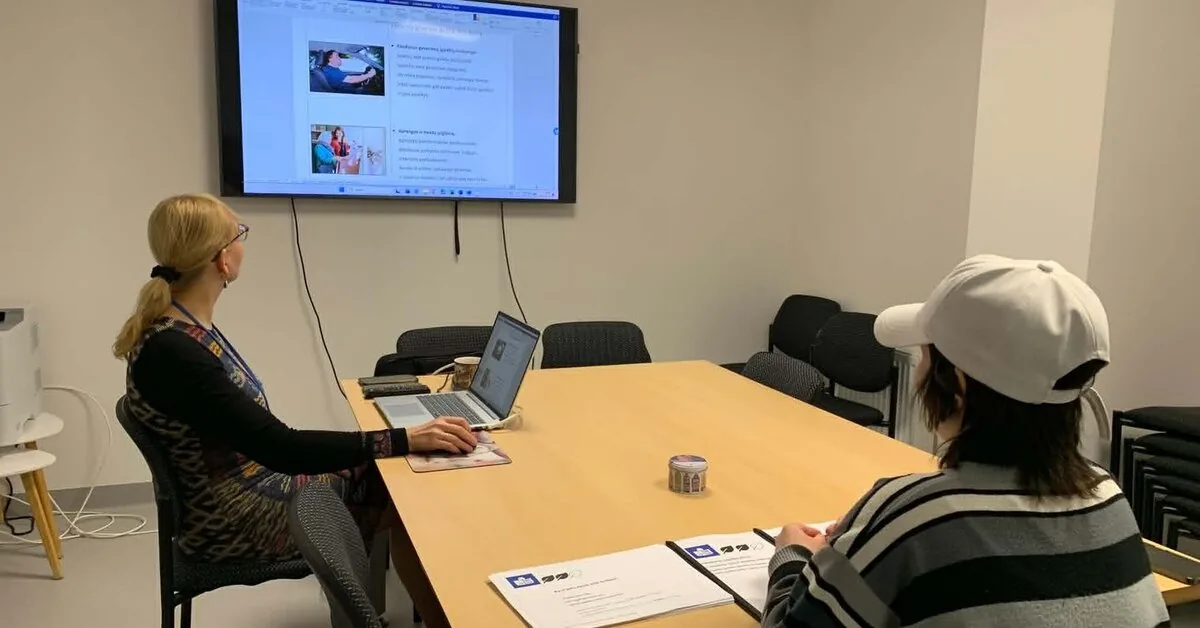
M. Baltrūnaitė advises public sector institutions to first select information that is truly relevant to the people it is intended for and to follow easy-to-understand language guidelines when preparing texts, rather than relying solely on intuition.
“Before releasing a text to the ‘daylight,’ it must be read by people with intellectual disabilities; we must consider their comments and revise the text accordingly. We should not imagine that anyone knows better than the target audience of such texts what is easy to understand,” emphasizes the expert.
Read more 11 illegal migrants turned back at the border with Belarus
ANTA representative L. Mikelevičiūtė shares what efforts have been made to ensure that easy-to-understand language content published by public sector institutions properly reaches the reader.
“We constantly conduct training for public sector institutions to help achieve quality content publication. However, in Lithuania, content labeled as easy-to-understand language but not meeting the requirements and therefore barely fulfilling its purpose still occurs.”
Trends in easy-to-understand language in government institutions
In recent years, the number of texts prepared in easy-to-understand language in the public sector has increased. This is related to the changed legal regulation from 2024 – for almost 3 years, state and municipal institutions and agencies have been required to provide basic unchanging information about the institution, such as working hours and contacts, in easy-to-understand language (including Lithuanian sign language). Institutions are also obliged to provide information in this method upon request by a person with a disability.
The ongoing need to better inform people about their opportunities to receive information in an accessible way is also shown by a 2025 ANTA survey of 80 institutions and organizations where people with intellectual and/or psychosocial disabilities work, live, or receive employment services.
73% of respondents knew that people with disabilities can apply to state and municipal institutions and agencies and request public information in easy-to-understand language or another accessible method. However, only a minority of those surveyed reported having used this right.
Another survey conducted by ANTA among public sector institutions showed that a larger proportion of institutions prepare information in easy-to-understand language, but quality is not always maintained. For example, 44.9% of surveyed institutions indicated that their published information was not checked by representatives of the target group, and 62.4% of institutions stated that texts were prepared without considering the levels of easy-to-understand language.
Encouraged to be active
Information becomes meaningful not when it is published, but when a person reads, understands, and uses that information.
Therefore, to truly give meaning to the public information disseminated by institutions, ANTA reminds – if public information is not understandable to a person with a disability, they or their representative can apply to a state or municipal institution or agency and express the need to receive it in a chosen accessible communication method, including easy-to-understand language.
More information about receiving public information in an accessible way can be found in the ANTA website section “How to get information in an accessible way?”
Read more Before the NBA season starts, the Knicks leader will appear in a crime series
Article translation into sign language: