Can cause flu-like symptoms
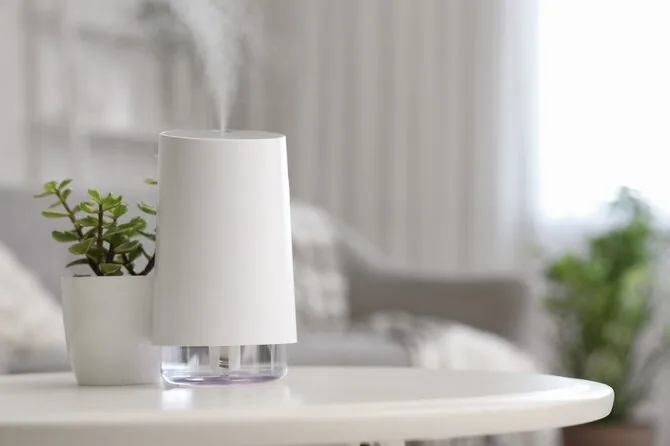
As pulmonologist Kevin Kim says, humidifiers can soothe dry airways, ease cold symptoms, and help prevent nosebleeds. However, standing water left in the device creates favorable conditions for bacteria and mold to multiply, writes “Parade.”
Read more From the floors to the panoramic windows: what dog owners should know when choosing a home
When a dirty humidifier is turned on, microorganisms spread throughout the room along with tiny water droplets. Inhaling them can cause a severe inflammatory lung reaction.
This condition is sometimes informally called “humidifier fever,” although it is more accurately described as a humidifier-induced respiratory disease. Its symptoms can appear just a few hours after turning on the device:
- fever;
- chills;
- dry cough;
- shortness of breath;
- chest tightness.
A dirty humidifier can also trigger an asthma attack and worsen allergy symptoms. Excessive humidity creates favorable conditions not only for mold but also for dust mites.
What do white dust on furniture signal?
Users of ultrasonic humidifiers sometimes notice a thin layer of white dust on furniture. According to the pulmonologist, this happens when tap water is poured into the device.
Minerals present in it, such as calcium and magnesium, are sprayed into the air along with the mist. After the water evaporates, very fine mineral particles remain, which can penetrate deep into the lungs.
They can irritate lung tissues, worsen asthma or chronic obstructive pulmonary disease symptoms, and promote inflammation. As a 2020 study shows, using tap water in an ultrasonic humidifier can significantly increase the amount of fine particles in the room.
To avoid this, it is recommended to use distilled or demineralized water.
Water should be changed daily
According to the doctor, the humidifier tank must be maintained every day: pour out the remaining water, wipe dry, and only then refill. In standing water, a slimy film of bacteria and other microorganisms can form in just a few days.
Once a week, the device is recommended to be cleaned more thoroughly:
- Unplug the humidifier and pour out the remaining water.
- Remove the tank, filter, and other detachable parts.
- Fill the tank with water and white vinegar solution (about 240 ml of vinegar to four liters of water) and let it sit for 20–30 minutes.
- Use a soft brush to remove mineral deposits and slippery residues.
- Rinse all parts well with water to remove the vinegar smell.
- Let dry completely and only then reassemble the device.
When cleaning, it is always worth following the specific manufacturer’s instructions, as the same products may not be suitable for all humidifier parts.
The pulmonologist recommends replacing the humidifier approximately every 3–5 years. However, a new device may be needed sooner if white or gray mineral deposits cannot be removed; a mold smell is noticeable even after thorough cleaning; mold is visible in unreachable places; or the water tank is cracked or heavily scratched.
Read more Book Anatomy: «Catch the Wind»