In this case, the choice of engine is very important. Some designs tolerate such usage modes quite well, while others quickly start causing problems and can lead to costly breakdowns. This is discussed by uto-swiat.pl.
Read more International Lighthouse Day in Nida: what to expect on August 22?
What kind of engine to look for if only a few kilometers are driven per day?
If you want a conventional car with an internal combustion engine, the best choice is usually a simple small-displacement gasoline engine with indirect fuel injection.
Such engines are generally less sensitive to short trips, cheaper to maintain, and better tolerate city driving. Simply put, the simpler the design, the lower the likelihood of problems when driving short distances.
Small engines without a turbocharger, direct fuel injection, and dual-mass flywheel are simpler, less heavily loaded, and cheaper to operate.
However, today there are very few new cars with such engines. Such models can still be found among Fiat, Suzuki, Škoda, or Renault cars.
A larger selection is available in the used car market, although even there such engines are becoming less common. One of the most important criteria to avoid problems is the absence of direct injection and additional exhaust gas cleaning filters (GPF and DPF).
The best engines for short trips are usually the simplest ones. They are often quite old, although some manufacturers still offer engines that are not afraid of short distances.
Why are short trips more harmful to a car?
Many people think that if a car engine starts without problems, a few kilometers of driving does not cause much damage. Unfortunately, car mechanics work a bit differently.
An engine operates optimally only when it reaches operating temperature. Depending on the engine design, ambient temperature, and driving style, this can take even several tens of minutes.
During this time, many drivers turn off the engine before it properly warms up while driving in the city.
Burning fuel produces, among other things, water vapor. If the engine runs for too short a time, moisture does not have time to evaporate from the engine and exhaust system. As a result, dirt and deposits can accumulate in various parts of the car, which over time can accelerate the wear of some components.
Therefore, cars that regularly drive longer distances are often in better technical condition than those that drive only a few kilometers daily.
Which gasoline engines tolerate short trips the worst?
Most problems can occur with modern gasoline engines with direct fuel injection.
The reason is quite simple. When the engine is cold, some fuel can settle on the cylinder walls. Later, some of it gets into the engine oil.
Under normal conditions, this is not a big problem because when the engine reaches the proper temperature, the gasoline evaporates.
Read more Officers: Belgium forest fire surrounded at night, but the situation remains difficult
Problems begin when the car hardly drives outside the city and constantly covers very short distances. The oil does not reach a temperature that would allow it to effectively evaporate the fuel that has entered it. As a result, the oil’s properties gradually deteriorate.
Practically, this means:
- oil loses its properties faster;
- engine lubrication worsens;
- oil needs to be changed more often;
- engine components may wear out faster.
Is a diesel car suitable for the city and daily short trips?
For short trips in the city, it is better not to choose a diesel car at all.
This refers to modern diesel engines. For old diesel engines, this was not such a big problem, but here we are talking about designs that are at least about 40 years old, and their dynamics today leave much to be desired.
A modern diesel engine requires proper operating conditions. The particulate filter DPF is especially important, which must regularly perform regeneration.
For regeneration to occur properly, the car must drive for a certain time under proper load and maintain a higher exhaust gas temperature. Such conditions often do not occur in the city.
As a result, regeneration may be interrupted, the filter clogs faster, and more fuel may enter the engine oil. All this increases the operating costs of the car.
Therefore, drivers who mostly drive short distances should be very cautious when choosing a car with a diesel engine.
Is an electric car the best choice for short trips?
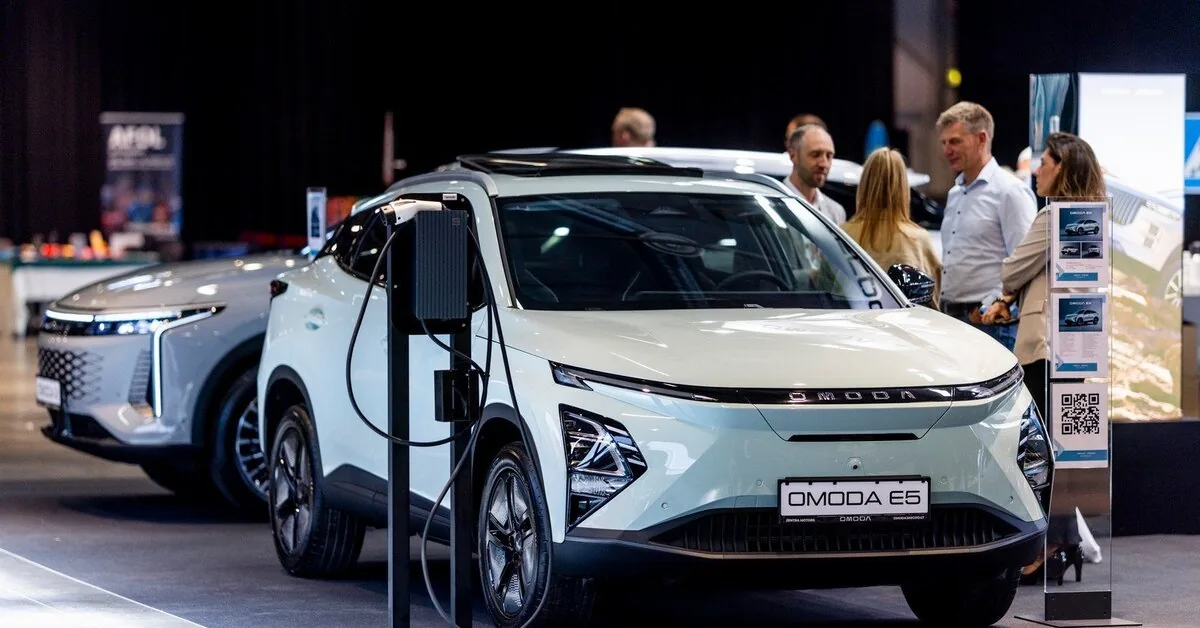
Many drivers do not even want to hear about it, but technically an electric car is one of the best choices for short trips.
An electric motor does not need to warm up like an internal combustion engine. There is no problem with fuel entering the oil, no need for DPF filter regeneration, and frequent starts and short drives are basically not a problem for electric drive.
However, two main drawbacks remain – higher purchase price and charging possibilities.
If a person lives in an apartment building and does not have a convenient way to install or use a private charging point, an electric car will not always be the most practical solution.
Let’s summarize
If a car is needed only for short 2–5 km trips around the city, the best choice is usually:
1. A simple naturally aspirated gasoline engine with indirect injection – a very good choice.
2. A hybrid – also suitable for short trips.
3. An electric car – technically very suitable if it is convenient to charge.
4. A modern gasoline engine with direct injection – not the best option for short trips.
5. A modern diesel engine with DPF – the worst choice if almost always driving only short distances in the city.