After nearly a decade, another reproductive issue arose in the Hunt laboratory. This time, its cause was linked to quaternary ammonium compounds, or QAC.
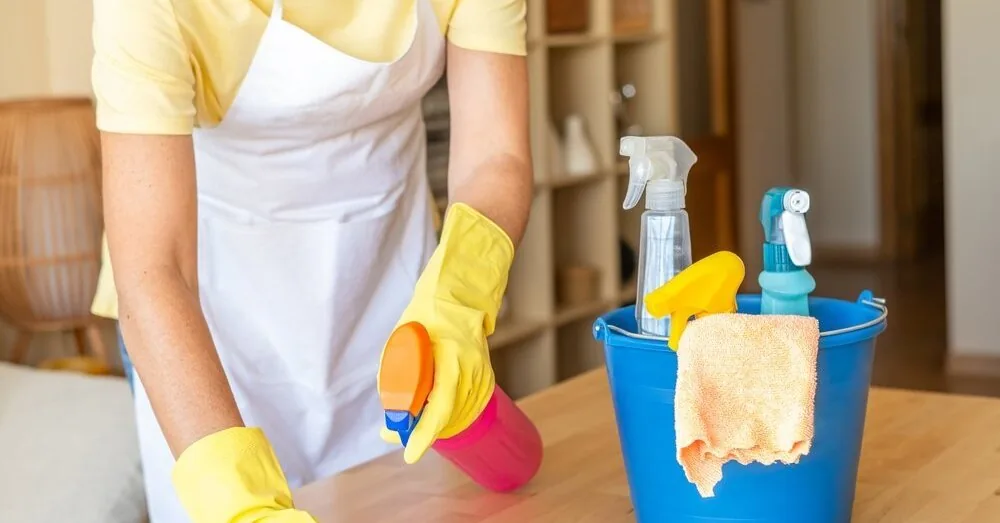
These chemical substances are the active ingredients in many disinfectants, antibacterial hand products, and cleaners. They can also be found in baby wipes, laundry detergents, air fresheners, shampoos, mouthwashes, and even some eye and nasal preparations.
Although QAC have been used for over a century and were long considered safe, new research raises questions about their potential health effects.
“We now know that QAC can be detected in human blood. Based on studies with mice, I believe they may also contribute to fertility problems,” said Hunt.
Concerns about effects on lungs, brain, and fertility
Over the past decade, laboratory and animal studies have linked QAC to inflammatory processes, changes in the immune and respiratory systems, reproductive hormone activity, and developing brains.
Emory University scientist Amina Salamova states that these substances may exacerbate asthma and chronic lung diseases, especially in people who frequently encounter disinfectants at work.
QAC have already been detected in human blood, breast milk, urine, and feces. Studies with cells and animals also suggest that these compounds may accumulate in the heart, kidneys, digestive system, and lungs.
A 2024 study showed that certain QAC can harm brain and spinal cord cells that produce myelin – the protective layer of nerve fibers.
Researchers are also investigating the possible effects of QAC on mitochondria – cell structures that produce energy needed by the body.
However, industry representatives urge against hasty conclusions. Representatives of the American Cleaning Institute emphasize that merely detecting a chemical in the human body does not prove it causes harm. Moreover, results from animal and cell studies depend on dose, exposure duration, and other conditions.
Severe birth defects found in mice
Concern grew even more when reproduction researcher Terry Hrubec observed similar problems in her laboratory.
Some mouse fetuses had severe neural tube defects: underdeveloped brains, open spines, or brain tissue outside the skull. Some of these fetuses died early in pregnancy.
Hunt and Hrubec began joint studies. Mice were given QAC-containing food for six months. Researchers found a decrease in their ability to conceive and successfully carry offspring.
Pregnant females exposed to QAC also became lethargic, lost appetite, experienced shortness of breath, bleeding, and difficult labor. More than a third died near delivery.
Later studies showed that QAC can affect the placenta and increase inflammation. Effects were also observed in males – some studies found lower sperm counts and reduced motility.
Read more From idea to visibility: OWEXX advertising spaces
However, Hrubec emphasizes that it is not yet clear whether the same effects occur in humans.
“The potential to affect human fertility exists, but we do not yet know if it actually happens,” she said.
Use surged during the pandemic
QAC use especially increased during the COVID-19 pandemic, when people began intensively disinfecting hands, surfaces, and various objects.
According to one study, QAC levels in household dust increased by 62% during the pandemic, and their concentration in human blood rose by 77% over a year.
These compounds are still present in many disinfectants. One of the most common is benzalkonium chloride (BAC), used in antibacterial soaps, wipes, sprays, and laundry disinfectants.
The greatest impact may be on people who are constantly exposed to QAC – for example, in kindergartens, hospitals, nursing homes, gyms, or offices.
Salamova’s research showed that QAC concentrations in dust from kindergartens and nursing facilities can be about three times higher than in typical homes.
Not everything needs to be disinfected
Scientists emphasize that their goal is not to call for completely abandoning disinfection.
“It is important to understand when simply wiping is enough and when disinfection is truly necessary,” said Salamova.
If someone at home has an infectious disease, disinfection can be meaningful. However, for everyday cleaning, soap and water are often entirely sufficient.
To reduce contact with QAC, it is recommended to pay attention to products labeled as “antibacterial,” “antimicrobial,” “disinfecting,” or “microbe-killing.” When disinfectant is truly needed, specialists suggest alternatives such as products with citric acid, hydrogen peroxide, or ethyl alcohol.
Hunt believes the QAC story may be similar to BPA: a chemical widely used and considered safe for decades, only later undergoing more thorough evaluation of its possible effects on human health.
“We released these substances onto the market without fully understanding how to monitor them in the human body,” said the scientist.
Read more Forged vehicle identification numbers, cheated: Telšiai residents will go to court
Prepared based on CNN.