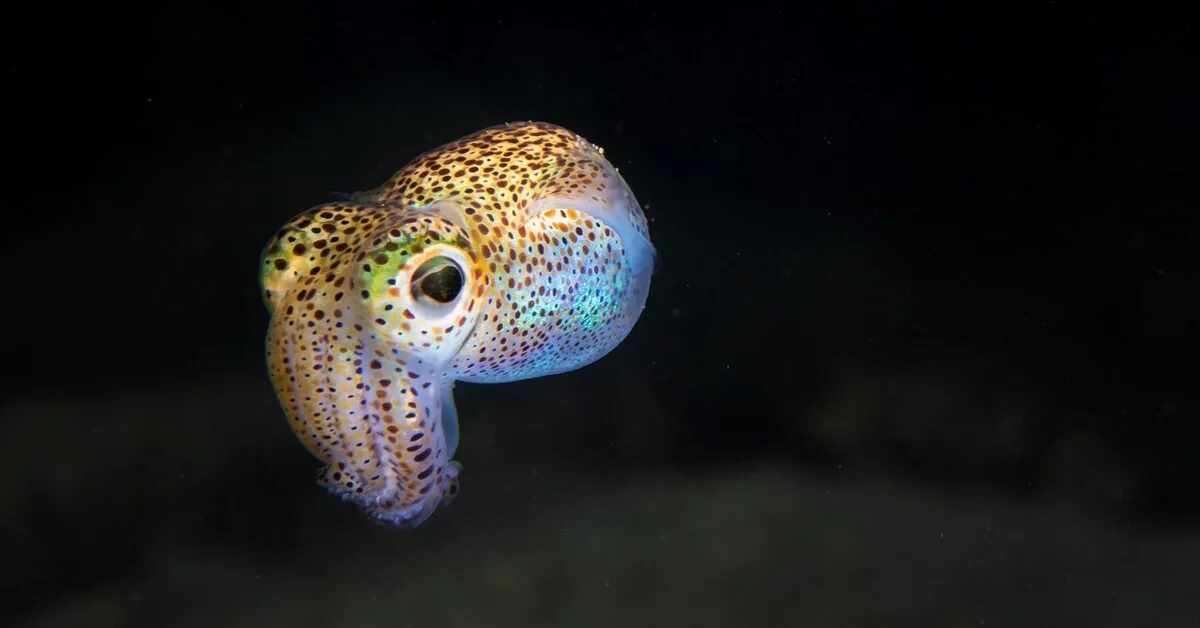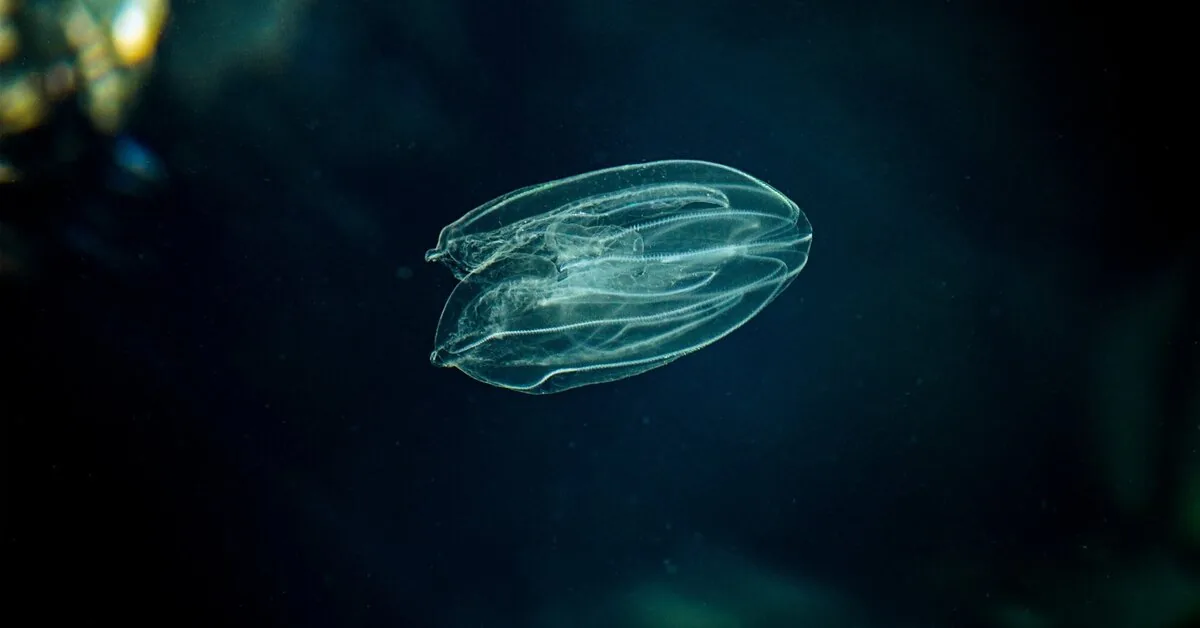
This bioluminescent marine creature arrived in Europe in the 1980s with ships sailing the Atlantic Ocean. It quickly became one of the dominant organisms in these waters – in 1988, there could be up to 400 of these jellyfish in one cubic kilometer of the Black Sea.
Read more Famous political scientist revealed secret games in Kyiv: Zelensky’s plan «B» turned into plan «A»
However, their numbers decreased when food resources were depleted.
Now research shows that the spread of these jellyfish in the Baltic Sea is accelerating.
This invertebrate poses a serious threat to fisheries because it feeds on fish eggs.
Among the species at risk are sprats and sardines.
These jellyfish also consume large amounts of zooplankton, competing for food with many other marine organisms and thus disrupting the natural balance of the ecosystem.
In new ecosystems, these jellyfish often lack natural predators that could effectively regulate their population. The situation in the Baltic Sea is somewhat different: there is a fish species here that can prey on the larvae of these jellyfish.
Read more Zelensky revealed Russia’s fear: Moscow is now protected by three air defense rings
The three-spined stickleback (Gasterosteus aculeatus) living in the Baltic Sea can act as a natural enemy of the comb jelly, feeding on their larvae.
Read more Russia’s war in Ukraine has helped North Korea amass an impressive sum in four years