“The insect sting season begins in spring and lasts until autumn, but the peak is usually in summer, especially in humid weather, near rivers, lakes, or forests. The most common complaint for which people turn to the pharmacy is itching – it is the most irritating and makes people seek help,” says pharmacist Sigita Korbutaitė in a press release from “Gintarinė vaistinė”.
Read more Your recipe can become an official part of Lithuanian history: a special campaign is announced
She recalls a case when a woman who came to the pharmacy wore large sunglasses due to severe swelling of the cheek and under the eyes.
“The woman was weeding a garden near bushes, with many small flies flying around. She did not feel a direct sting, no clear spot of the sting was visible, but based on symptoms, it was likely that she was stung by horseflies. It was necessary to recommend gel and allergy tablets, as well as painkillers,” the pharmacist explains.
Mosquito, gadfly, or horsefly?
According to S. Korbutaitė, although each person’s sensitivity varies, the most common bites have characteristic signs.

“A mosquito bite usually causes a small, itchy bump but almost no pain. A gadfly sting is sudden and painful; a drop of blood may be visible at the sting site, followed by more pronounced redness, swelling, or a harder lump,” she explains.
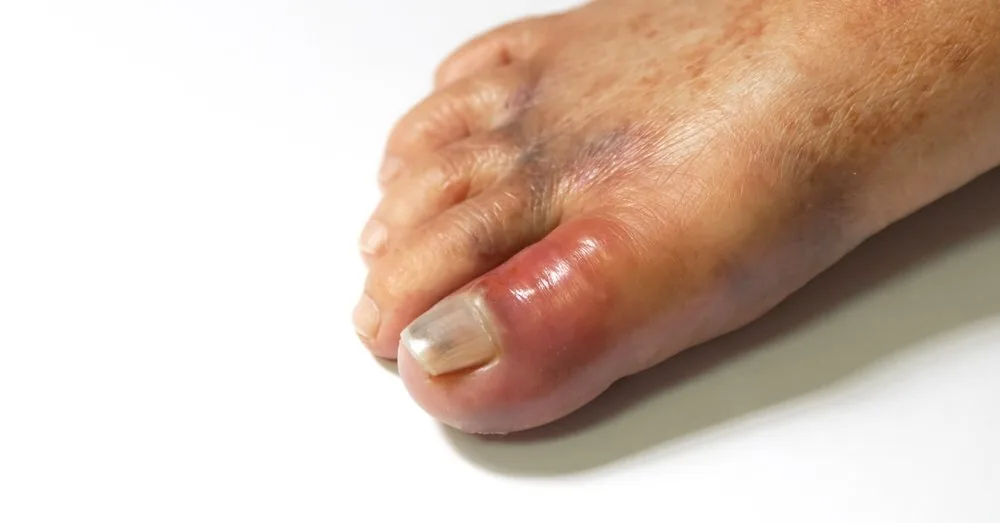
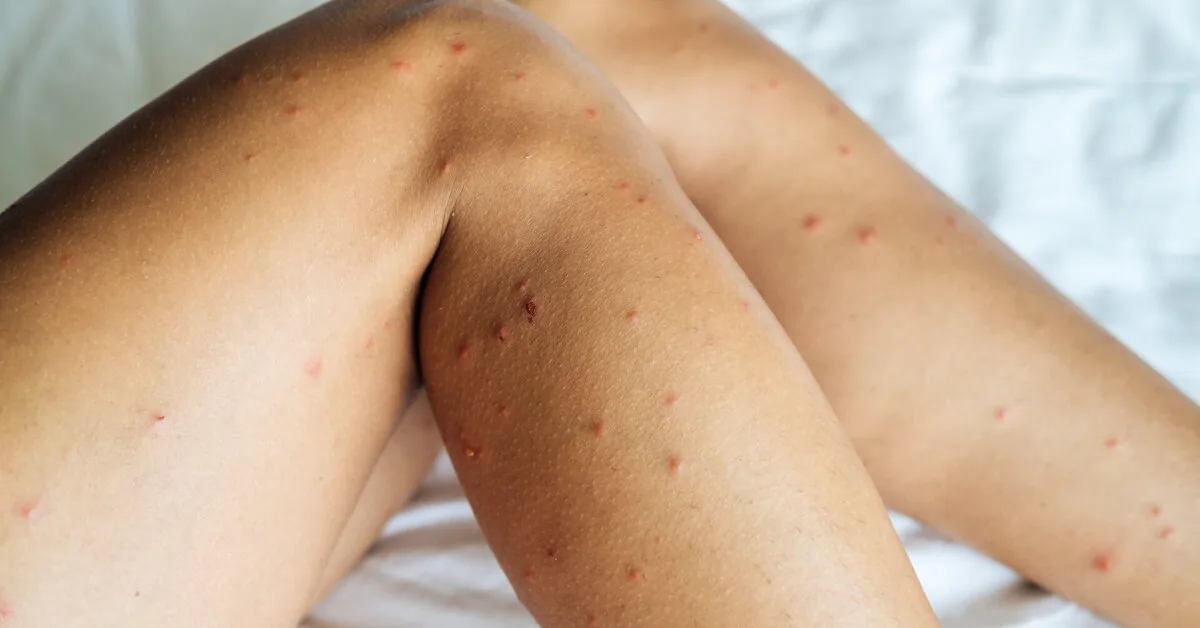
Horsefly bites, according to the pharmacist, are often deceptive because a person may not feel a single clear prick. The places they sting itch intensely, swell, especially on the face, and when there are multiple bites, the skin may look like it is rash-covered.
“A bee sting causes sharp pain, redness, and swelling. Usually, a stinger remains in the skin. Wasp and hornet stings are also painful, but no stinger remains, and these insects can sting multiple times. After a hornet sting, the local reaction is often stronger,” notes S. Korbutaitė.
First aid: cool and do not scratch
In most cases, first aid is simple: the bite or sting site should be washed with water and cooled with a cold compress for 10–15 minutes. This helps reduce pain, swelling, and inflammatory reaction.
“If stung by a bee, the stinger remaining in the skin should be removed as quickly as possible. If the sting site bleeds, it should be disinfected with an antiseptic to reduce the risk of infection,” advises the pharmacist.
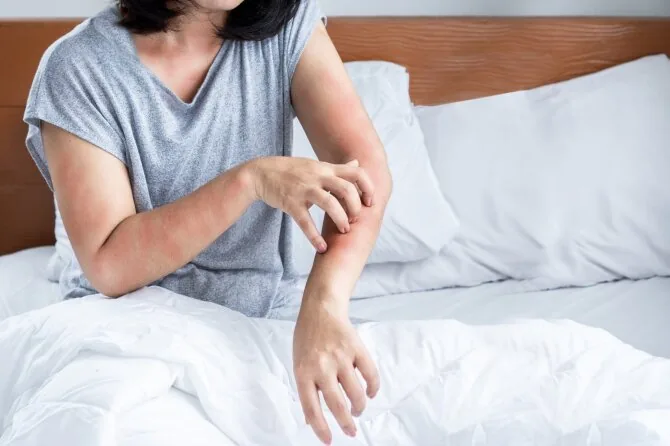
Antiallergic agents – gels or tablets – can help relieve itching, and if swelling or pain is more pronounced, cooling should continue. However, one of the most common mistakes, according to S. Korbutaitė, is scratching.
“People often scratch the sting site, sometimes even to the point of wounds. This should be avoided because it increases the risk of infection, and the itching itself can only get worse,” she warns.
Another mistake is applying homemade remedies of unclear composition or skin-irritating substances to the bite site. Extra caution should be taken if the bite is on the face, the skin is sensitive, or if a child needs help.
When is a bite already dangerous?
The usual local reaction is itching, redness, slight swelling, or pain at the bite site. However, some symptoms indicate that there should be no delay.
“If after a sting there is shortness of breath, swelling of the face, lips, or tongue, a rash all over the body, weakness, it is necessary to call emergency services immediately. These may be signs of a severe allergic reaction. Such a reaction does not depend on where the person was stung and can be extremely dangerous,” emphasizes S. Korbutaitė.
What to have in nature?
When going into nature, it is first worth taking preventive measures – products against mosquitoes and ticks. It is also useful to have products for after bites: antiallergic gel, a soothing stick, or another spot-applied remedy.
“Such products do not need to be applied all over the body – it is enough to use them at the bite site. They soothe the skin, reduce irritation and itching. Most products are intended for children from 3 years old, but there are also those suitable for infants from 3 months,” advises the pharmacist.
For allergic people, she says, it is worth having age-appropriate oral antiallergic medicines: syrup form is usually chosen for children, tablets for older children and adults.
“The most important thing after a bite is to monitor not only the skin but also the general condition. If only the bite site itches or swells, local care is usually sufficient. But spreading swelling, breathing difficulties, or whole-body reactions are signs that cannot be ignored,” concludes S. Korbutaitė.
Read more “Reuters”: US delays $400 million aid to Ukraine until the end of Trump’s term