July 15th, observed as the European Union (EU) World Day for Victims of the Climate Crisis, invites us to remember the people who have suffered health disorders, lost their homes, or even their lives due to heatwaves, floods, droughts, wildfires, and other extreme events caused by climate change.
Read more Man who violated public order was detained in a holding cell
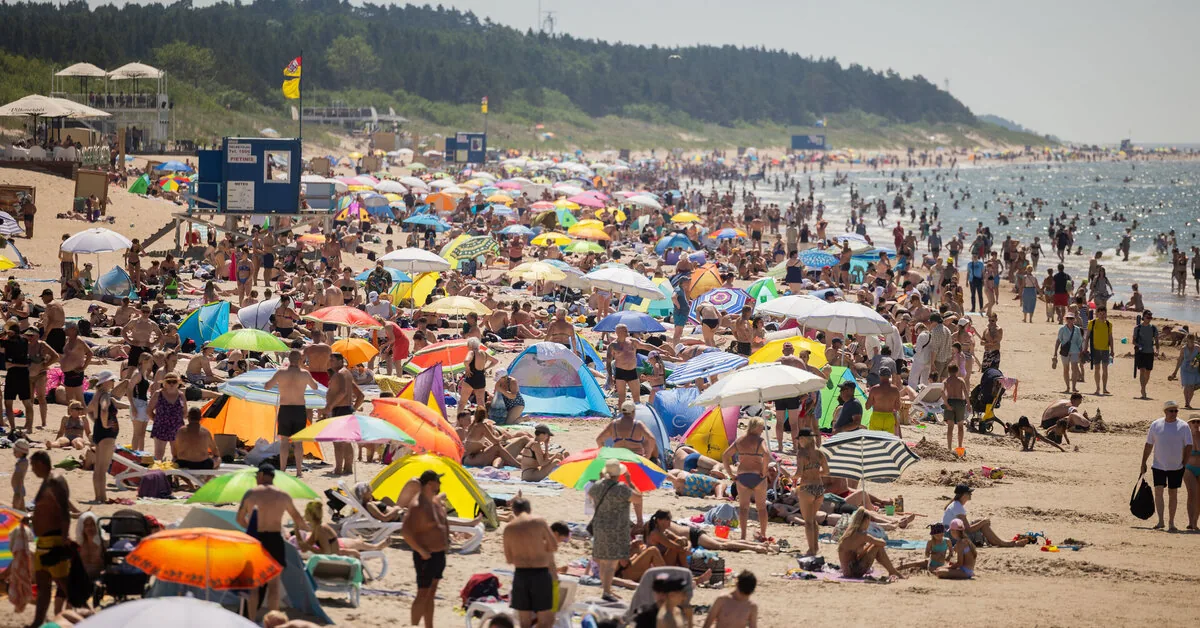
Although Lithuania is not among the European countries most affected by climate change, its consequences are becoming increasingly visible in our country. More frequent heatwaves, intense rains, droughts, and harder-to-predict weather affect not only the environment and infrastructure but also the health of the population. Experts emphasize that it is important to assess not isolated extreme events but the long-term trend – extreme weather events are becoming more frequent and intense.
The consequences of record heatwaves in Lithuania are becoming increasingly obvious
According to European Climate Pact ambassador Meda Bagdonaitė, record heatwaves are not accidental – scientific data show that phenomena of this scale are inseparable from human-induced climate change.
“Although heatwaves are not a new phenomenon and occurred before, scientists confirm that heatwaves of this scale, breaking new records every year, would not be possible without anthropogenic, i.e., human activity-induced, climate change. Heatwaves are becoming more frequent and starting earlier, so it is increasingly clear that the effects of the climate crisis are already being felt,” says M. Bagdonaitė.
According to her, climate change in Lithuania means not only warmer weather – it changes the established climate system, so extreme events become more frequent and intense.
“Climate change alters the established balance of the climate system, making the weather increasingly difficult to predict. Due to greenhouse gases, the atmosphere warms, evaporation and air humidity increase, so extreme weather events – rains, heatwaves, droughts – become more frequent. These phenomena are not only more frequent but also more intense, affecting residents, infrastructure, and agriculture,” she states.
The climate crisis is now also a public health issue
The climate crisis is increasingly being viewed not only as an environmental issue but also as a public health challenge. The World Health Organization (WHO) has identified it as one of the greatest threats to public health in the twenty-first century. According to the 2025 “Lancet Countdown” report, compared to the last decade of the twentieth century, deaths from heat worldwide have increased by as much as 63%.
Gerda Bukauskaitė-Žiūkienė, a doctoral student in ecology and environmental science at Vytautas Magnus University (VDU), a lecturer at the Nursing Department of Kaunas College, and a general practice nurse, says that extreme heat poses a much greater threat to the human body than many imagine.
“Heatwaves have a significant impact on people’s health both in the short and long term. Short-term effects can appear within hours or days after intense heat – ranging from mild ailments to life-threatening conditions. Due to fluid and electrolyte loss through sweating, dehydration, dizziness, muscle cramps may occur, and in severe cases – severe exhaustion or heat stroke, which requires urgent medical attention,” she says.
During heatwaves, the risk of exacerbation of cardiovascular diseases, heart attacks, and strokes increases, sleep quality worsens, and over time this can contribute to chronic diseases and mental health disorders.
“In Lithuania, clear signs are already observed indicating that climate change directly affects the health of the country’s population. One of the most striking examples is the drastically extended tick activity season and the increasing incidence of tick-borne diseases. During heatwaves, residents experience enormous cardiovascular stress, and the increasing tropical nights prevent the body from resting properly,” she says.
The highest risk is for the elderly, children, people with chronic diseases, and those working outdoors. The specialist reminds that during heatwaves it is important to drink water regularly, avoid intense physical exertion during the hottest part of the day, and pay special attention to the most vulnerable residents.
Remembering is not enough – it is time to act
According to M. Bagdonaitė, the World Day for Victims of the Climate Crisis reminds us that climate change is primarily a human problem.
“July 15th is dedicated to drawing attention to climate change not as a problem for future generations but as today’s reality, which is already affecting people’s quality of life. This day reminds us that behind statistics and temperature records lie real human stories and losses,” she says.
At the same time, this day encourages not only remembering the victims of the climate crisis but also taking actions that would help reduce the consequences of the climate crisis. It is important to recognize that we live in a new climate reality to which we will have to adapt. The scale of the climate crisis consequences will depend on the decisions made today. This requires not only decisive political decisions and climate adaptation measures but also the contribution of every person – more responsible consumption, more sustainable daily choices, and greater attention to the most vulnerable groups in society.
Read more A heartbreaking twist in the story of kittens left in a basket in the heat